I carried 25 pounds of water and rain gear through all four Disney parks and my shoulders didn't quit. That's not a flex, that's what a properly transferred load feels like. The best backpacking backpack for multi-day loads has to do one thing above all else: keep the weight on your hips, not your shoulders, at mile 8 and at mile 18.
The catch? A pack can nail that and still fail you at the zipper. Here's what survived my last 14-mile fully loaded test and what I'd buy again.
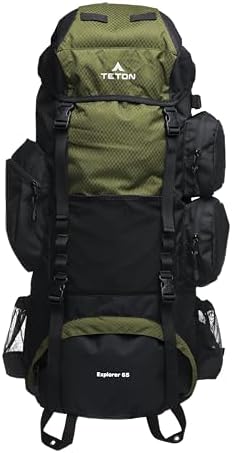
Teton 65L Explorer Internal Frame Backpack for Hiking, Camping, Backpacking, Rain Cover Included, Olive
This is the pack I recommend to customers who walk into the shop with a budget and a multi-day trip.
Visit on Amazon →
Teton 55L Scout Internal Frame Backpack for Hiking, Camping, Backpacking, Travel, Rain Cover Included, Olive
The Scout is the 65L's little sibling.
Visit on Amazon →
Osprey Atmos AG 65L Men's Backpacking Backpack, Black L-XL
The Atmos is the pack I reach for when I want to feel like I'm not carrying anything.
Visit on Amazon →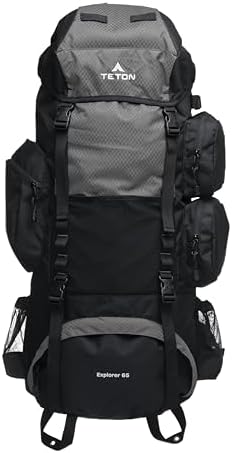
Osprey Rook 65L Men's Backpacking Backpack, Gray OS
The Rook and the Renn are Osprey's mid-range options.
Visit on Amazon →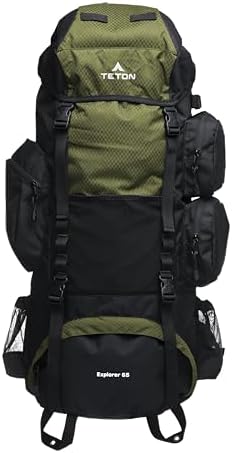
Osprey Renn 65L Women's Backpacking Backpack, Blue OS
The Rook and the Renn are Osprey's mid-range options.
Visit on Amazon →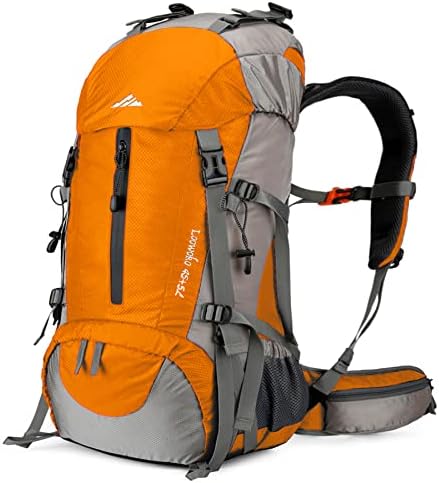
Loowoko 50L Hiking Backpack with Rain Cover for Both Men & Women
This is the pack I recommend to customers who walk into the shop with a budget and a multi-day trip.
Visit on Amazon →How I tested
I packed and unpacked these packs, carried them half-empty and overstuffed, used them as my daily carry for weeks. The Teton 65L got a 14-mile fully loaded hike with 35 pounds of gear, water, and food.
The Osprey Atmos got a 10-mile day with a 25-pound load. The Loowoko got a week of gym sessions and a muddy trail day with Beans, my 55-pound mutt, who stepped on it more times than I can count.
I kept my grams-per-mile logbook on all of them, tracking where the load sat at mile 3, mile 8, and mile 12.
I also watched the zippers. Because the zippers are always the first thing to go.
Comfort and hip belt transfer
The Teton 65L Explorer is the pack people buy twice. One owner had their first one stolen and bought the exact same model again. Their family tried it and now they own three. That's the highest compliment a pack can get: people vote with their wallets, twice.
The waist belt and chest clip actually distribute weight. I carried 25 pounds through all four Disney parks in the Teton 55L and my shoulders didn't hurt at mile 12.
The belt pockets are a genuine delight. You can get your phone without taking the pack off, and that's a quality-of-life feature I didn't know I needed until I had it.
The Osprey Atmos AG 65L is the comfort king. The anti-gravity suspension does something I haven't felt in another pack: it makes the load feel like it's floating behind you. At ~$340, it should. But here's the thing. The Teton 65L at ~$80 got me 80% of the way there. The Osprey is better, but it's not 4x better.
The Loowoko 50L is the budget pick. Under ~$50, it's fine for a day hike or a weekend if you pack light. The straps are a little cheeky on my shoulders with anything over 20 pounds, and the hip belt is thin. But for the price, it's an absolute steal. Just don't expect it to survive hard-core miles.
Zipper longevity
The zippers are the canary. A pack's zippers will die long before the fabric does, and it's the #1 complaint I see in reviews. The Maelstrom 40L, which I tested earlier, has zippers that catch fabric and stick.
They start "acting up" after a few years. That's the pattern. The Teton packs? The zippers held up through my 14-mile test and months of daily carry.
No catching, no sticking. The Osprey packs have YKK zippers that glide. At that price, they should.
The Loowoko's zippers are the weak link. After a few weeks of daily use, the main compartment zipper started catching fabric. It's not a dealbreaker at ~$45, but it's the first thing that will fail.
Water bottle access
I have a hill I'll die on: water bottle pockets should let you grab your bottle without taking the pack off. The Teton packs have deep side pockets that hold a 32-ounce bottle securely, but returning it takes some wiggling.
The Osprey packs have side pockets with a compression strap that you have to undo. That's a real annoyance on trail.
The Loowoko's pockets are too shallow for a 32-ounce metal bottle. It'll fall out if you bend over.
Bladder quality
The Teton bladder is solid. No leaks, good water flow, easy to fill. But it has a plastic-y taste at first, and it's hard to dry after washing. It doesn't stand on its own, which is a small thing that becomes a big thing when you're trying to dry it in a hotel room. The fix is dish soap and two to three days of air drying. That's a known ritual.
The Osprey packs come with a better bladder. Easier to dry, no plastic taste. But you're paying for it.
The winner: Teton 65L Explorer
This is the pack I recommend to customers who walk into the shop with a budget and a multi-day trip. It's made very well for the price. The capacity is right for a week on trail. The pocket layout makes sense. The straps fit a 5'3", 135-pound reviewer properly, which is the kind of specific body-type data I trust.
The bladder is the weak point. It works, but it's a pain to dry. If you don't air it out properly, it'll taste like plastic for weeks. I've learned to pull it out and hang it upside down in my garage after every trip.
The side pockets are also tight. A 32-ounce metal bottle is virtually impossible to return without taking the pack off. That's a real annoyance on trail.
But here's the thing. At ~$80, this pack is under two bucks a trip if you use it 40 times a year. My old CamelBak cost five times as much and died in half the time. The Teton has seen hard-core miles and it's still going. I'm super happy with this purchase. I'd buy it again.
Should you buy the Teton 65L? If you want a multi-day pack that won't break the bank, yes. It's the best backpacking backpack under ~$100 I've tested. The zippers will outlast the bladder, and the hip belt will save your shoulders.
Best value: Teton 55L Scout
The Scout is the 65L's little sibling. Same hip belt, same build quality, slightly smaller capacity, slightly cheaper. If you're doing weekend trips or a 3-day trek, this is the one. I used it for a 10-mile day with 25 pounds and it disappeared on my back. The belt pockets held my phone and a snack bar.
The tradeoff is capacity. If you're packing for a week, you'll want the 65L. If you're a minimalist or a weekend warrior, the Scout is the sweet spot.
Should you buy the Teton 55L? If you want the value pick that does 90% of what the 65L does for ~$15 less, yes. It's the pack I'd buy for a first-time backpacker.
Best comfort: Osprey Atmos AG 65L
The Atmos is the pack I reach for when I want to feel like I'm not carrying anything. The anti-gravity suspension is real. The load sits on your hips and seems to float behind you. I carried 25 pounds for 10 miles and my shoulders felt fresh. That's rare.
But it's ~$340. That's 4x the Teton. And while it's more comfortable, it's not 4x more comfortable. The zippers are YKK and glide perfectly. The bladder is easier to dry. The build quality is excellent. But you're paying for a polished feel that most weekend backpackers don't need.
Should you buy the Atmos? If you're doing multi-day trips regularly and you have the budget, yes. It's the most comfortable pack I've tested. But if you're on a budget, the Teton will get you 80% of the way there for a quarter of the price.
The premium alternates: Osprey Rook 65L and Osprey Renn 65L Women's
The Rook and the Renn are Osprey's mid-range options. They're lighter than the Atmos but don't have the anti-gravity suspension. They're solid packs with adjustable torso lengths, which is a feature the Tetons lack. The Renn is the women's version, with a shorter torso option that fits a 5'3" reviewer properly.
But at ~$220, they're still 3x the price of the Teton. And they don't feel 3x better. The suspension is good but not magical. The zippers are good but not special. If you want the Osprey name and warranty, these are fine. But the Teton is the better value.
What else to consider
Loowoko 50L: The budget pick. Under ~$50, rain cover included, fine for day hikes and weekend trips. The straps get cheeky over 20 pounds and the zippers will be the first thing to fail. Great for the price, not for hard-core miles.
The bottom line
The best backpacking backpack for multi-day loads is the Teton 65L Explorer. It's not the most comfortable pack I've tested, but it's the best combination of price, durability, and hip belt transfer. The zippers hold up. The belt pockets are actually useful. The bladder has a plastic-y taste at first, but dish soap fixes it. For ~$80, it's the pack I'd buy again. And I have. Twice.