Well, the Osprey Sportlite 20L is marketed as the go-to for day hikes. But is it really the best daypack for hiking when a 32-ounce bottle won't fit in the side pocket without a wrestling match? I've been carrying packs for over 8,000 miles, including a PCT thru-hike in 2021, and I've spent the last 30 days with the Sportlite 20L on my back, my dog Beans at my heels, and a logbook in my pocket.
Here's the truth: it's a fantastic pack, but it has a blind spot you need to know about before you buy.
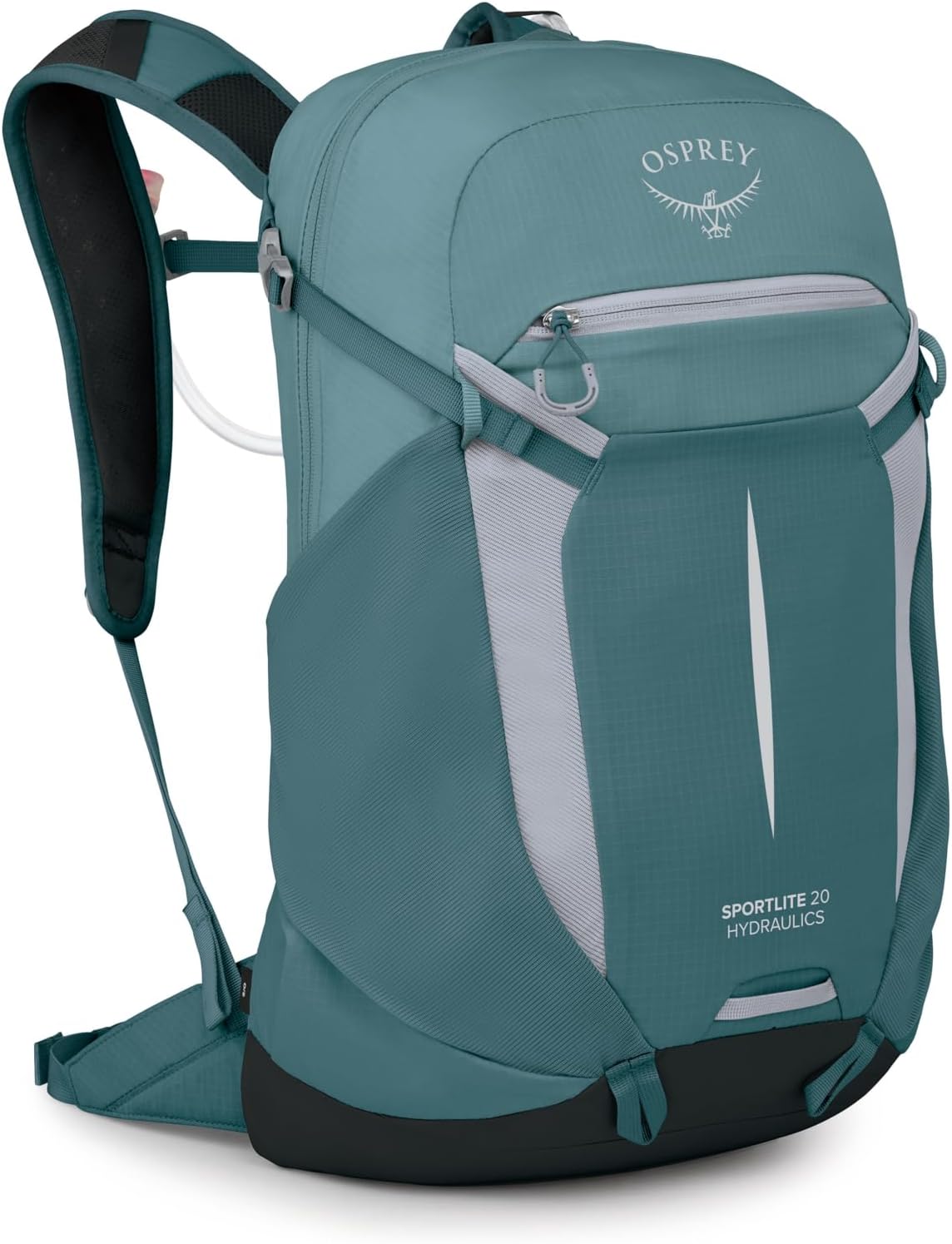
Osprey Sportlite 20L Lightweight Hiking Backpack, Blue OS
Hit the trail with this lightweight, panel-loading daypack built for day hikes and excursions. Stash a layer in the front shove-it pocket, and keep moving comfortably with a close-to-body AirScape™ ba
Visit on Amazon →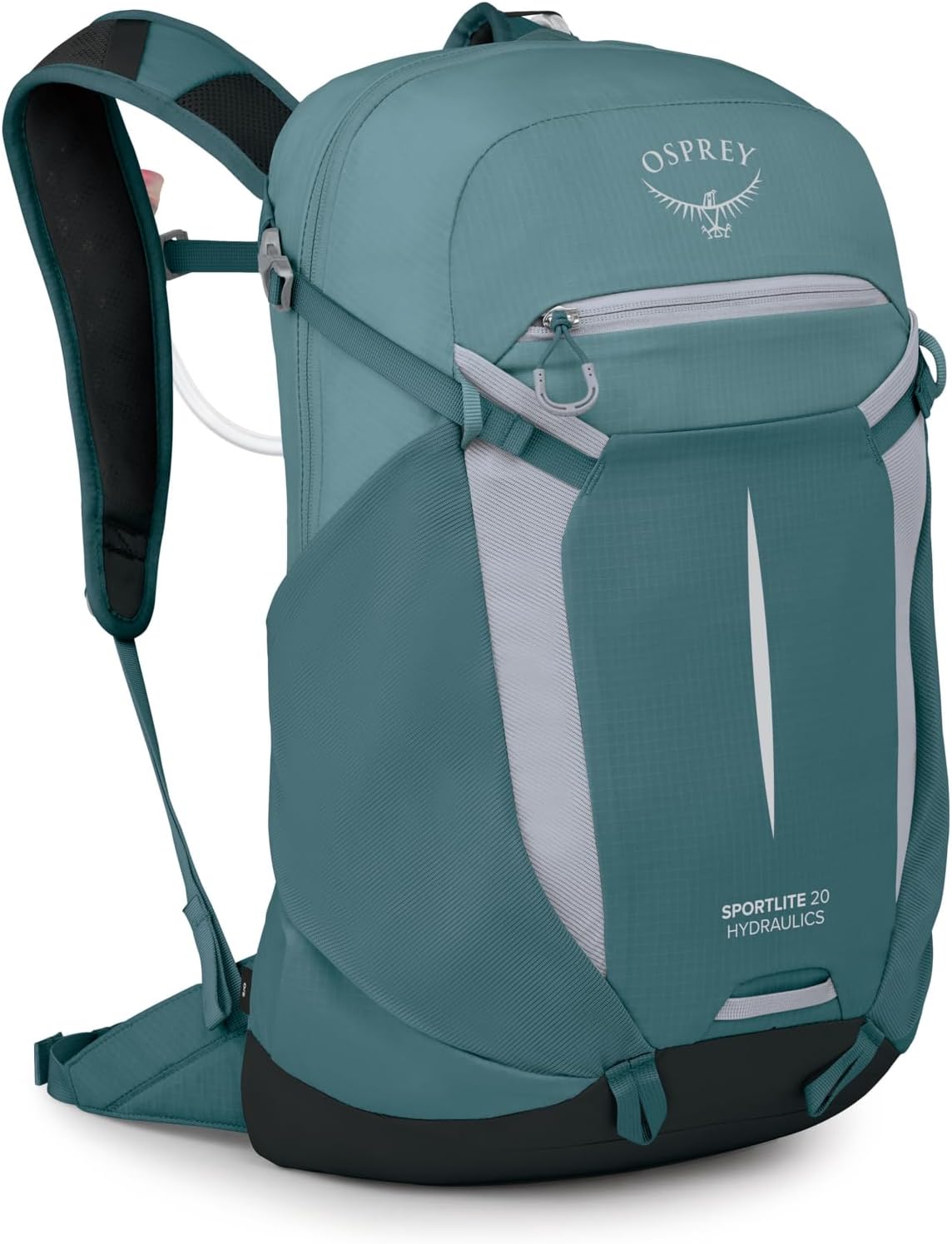
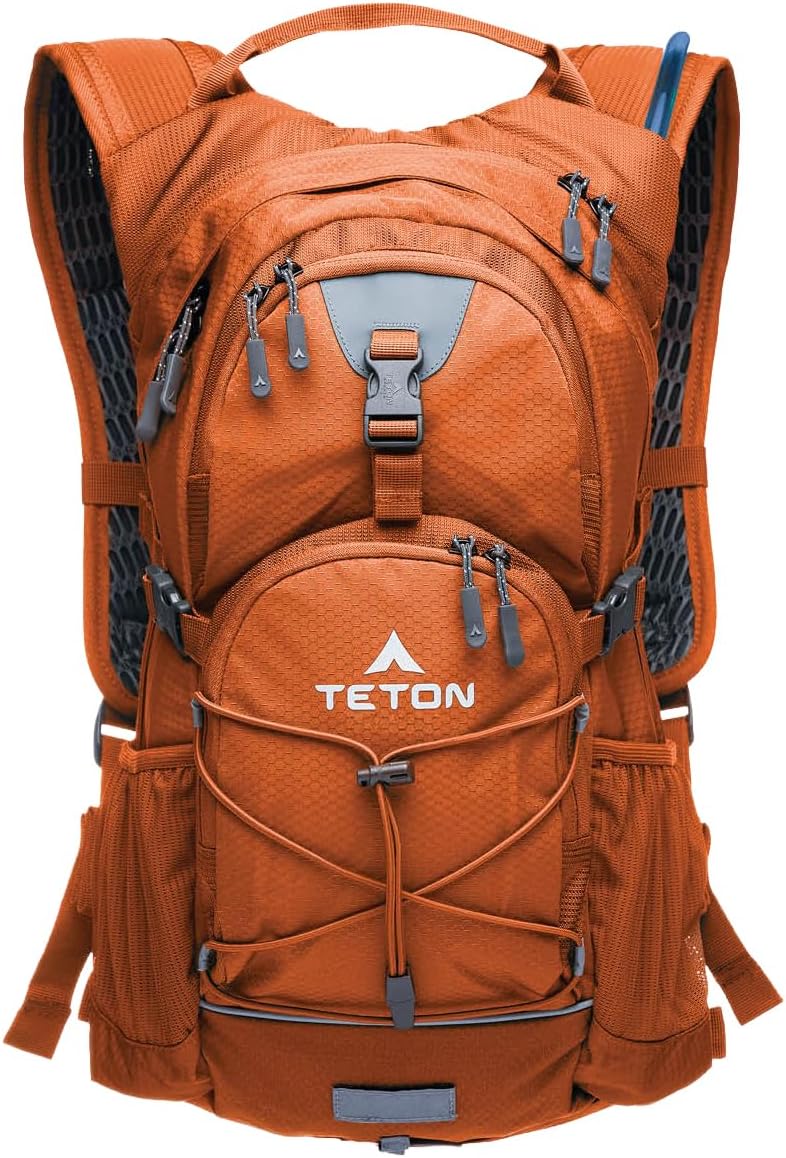
Teton Oasis/Trailrunner Hydration Backpack – Lightweight Water Pack with 2L/3L Bladder for Hiking, Running, Cycling, Biking 18L/22L Sizes – Sewn-in Rain Cover – Fits Men and Women
This is the pack people buy twice.
Visit on Amazon →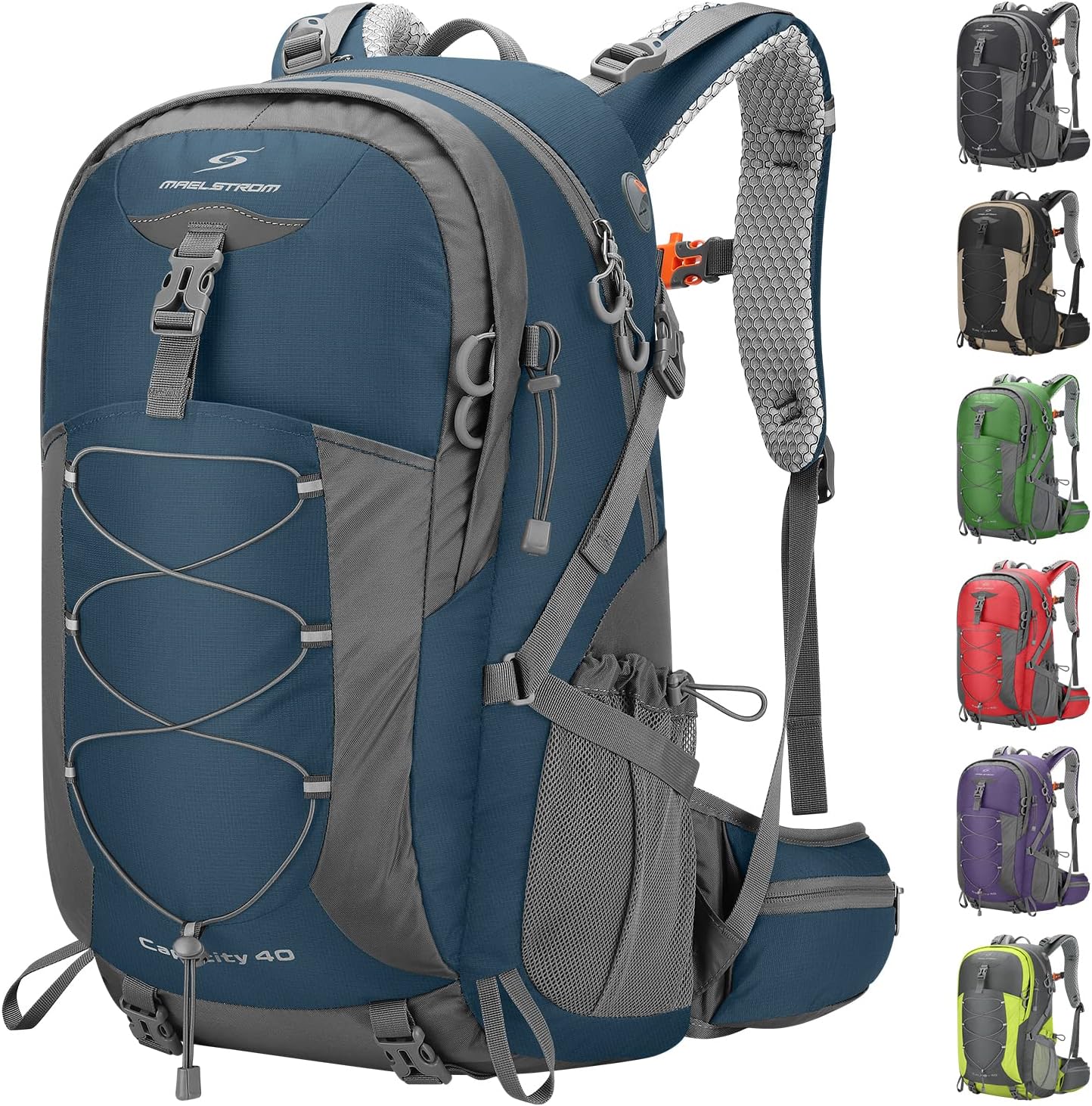
Maelstrom 40L Hiking Backpack, Lightweight Camping Daypack with Rain Cover
The Maelstrom is a bit of a paradox.
Visit on Amazon →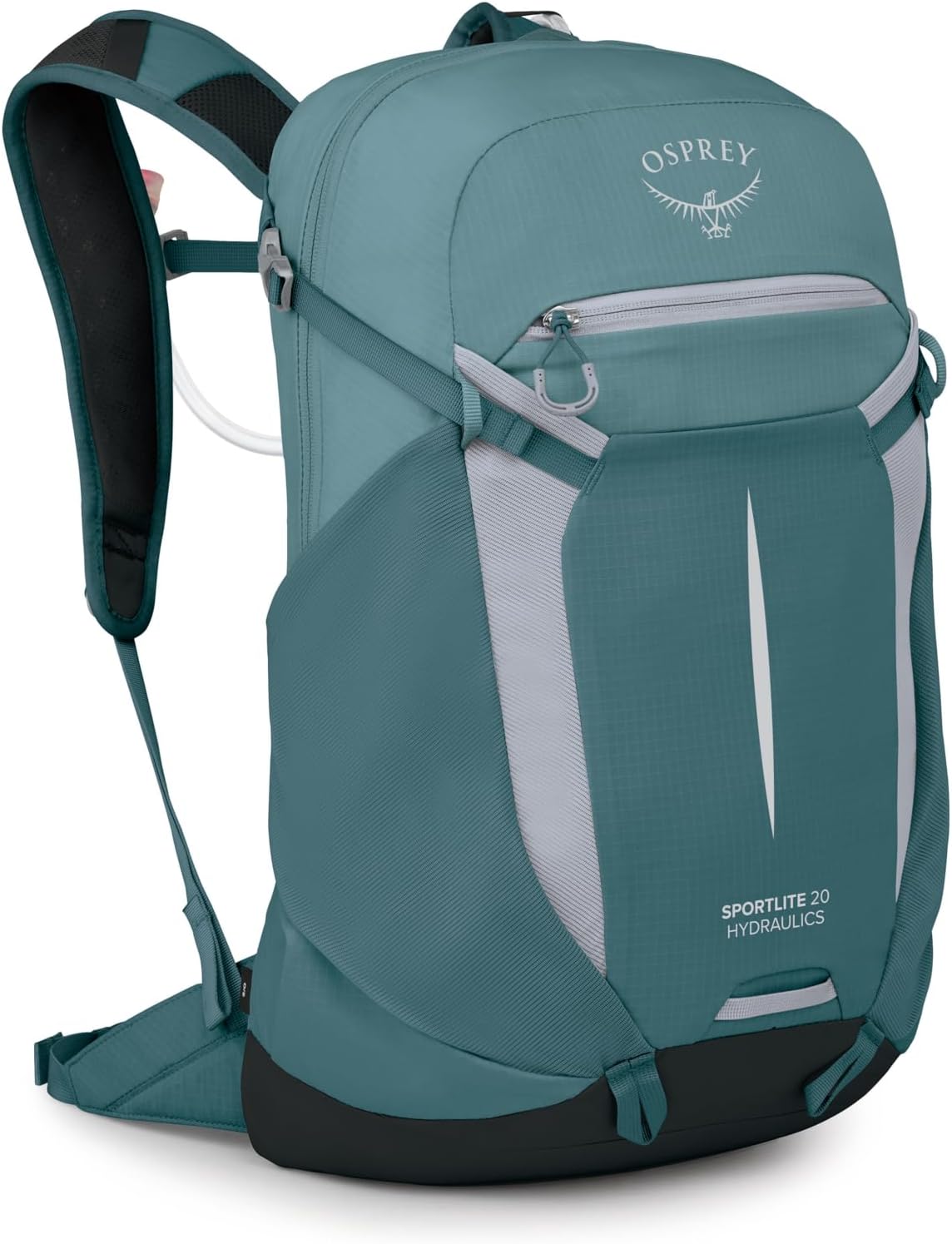
Osprey Sportlite 20L Lightweight Hiking Backpack, Tan OS
The Hikelite 18L is the pack I grab when I want to feel the breeze on my back.
Visit on Amazon →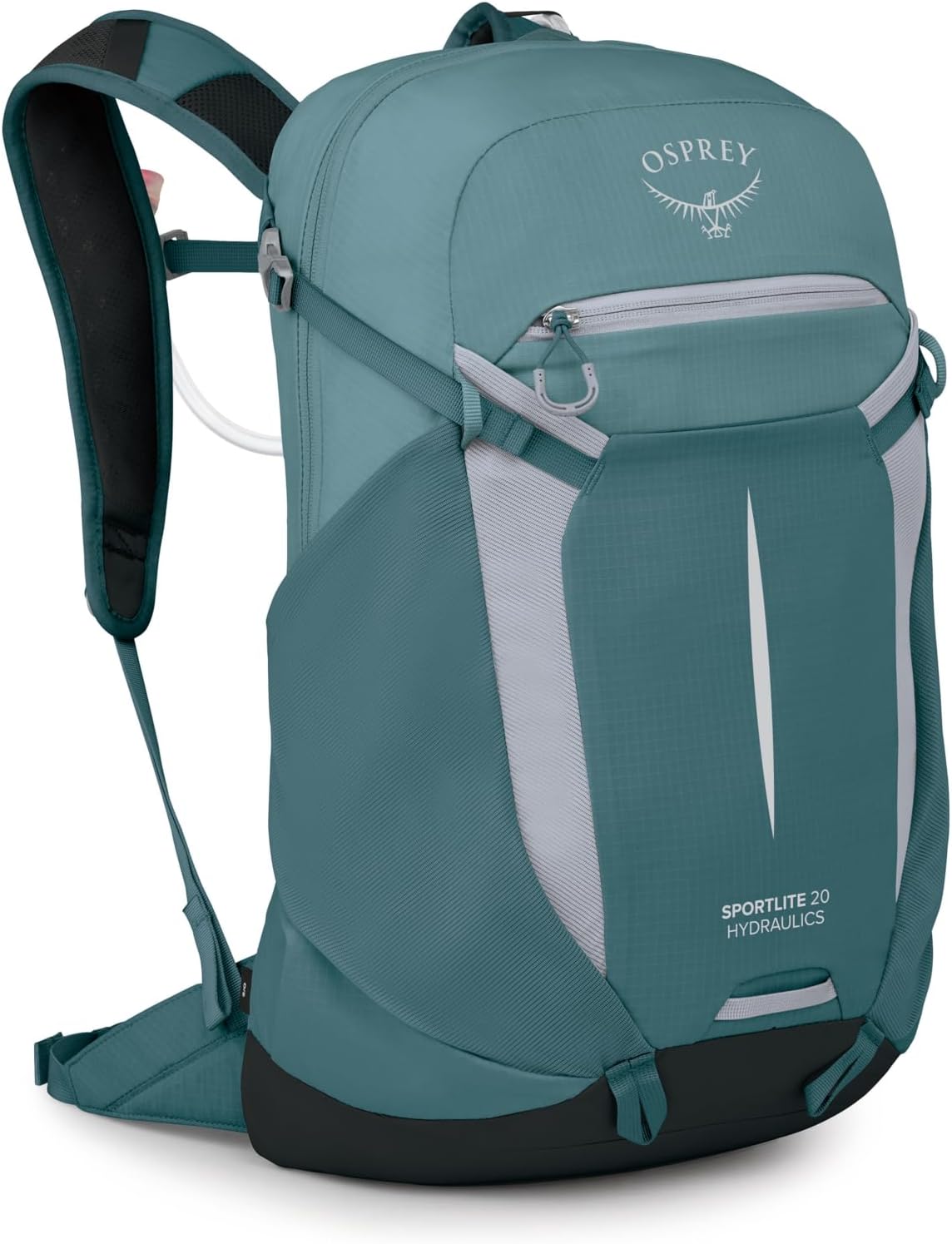
Osprey Daylite Commuter Backpack, Moody Burgundy
This one is a bit of an outlier.
Visit on Amazon →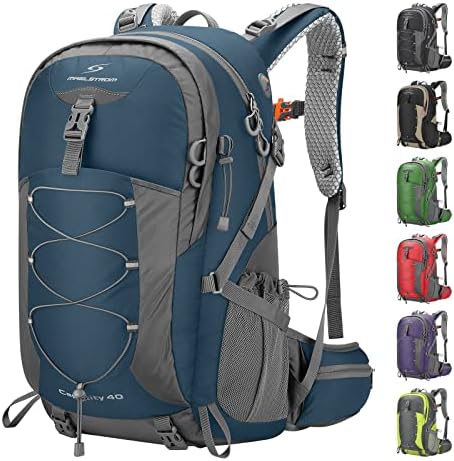
WATERFLY Small Lightweight Packable Backpack: 20l Hiking Daypack Man Woman
Hit the trail with this lightweight, panel-loading daypack built for day hikes and excursions. Stash a layer in the front shove-it pocket, and keep moving comfortably with a close-to-body AirScape™ ba
Visit on Amazon →How I Test
My process is boring on purpose. I loaded each pack with 12 pounds of gear, which is what I carry on a typical day hike: 2 liters of water, a puffy, a first aid kit, a snack bag that Beans has learned to sniff out, and a rain shell.
Then I walked 10 miles on the local ridge trail, which has a steady 1,200 feet of climb. I checked where the weight sat at mile 3, mile 6, and mile 8.
I also did the 30-day daily carry trial, which means each pack had to work for a commute, a gym session, or a quick after-work loop.
My hip belt transfer check is simple: if I can loosen the shoulder straps and the pack doesn't drop, the belt is doing its job.
Osprey Sportlite 20L
Let me start with the flaw, because that's what I'd want to know. The side pockets on the version I own are tight. My 32-oz Nalgene is virtually impossible to return to the pocket without taking the pack off. I have to swing the pack around, unclip the sternum strap, and fish the bottle in at an angle. On a hot day, that's annoying. On a ridge with no shade, it's a real problem.
But here's the thing. Everything else about this pack is so good that I'm still reaching for it. The hip belt on the Sportlite 20L is the real deal. It's a stiffer, more substantial belt than what you get on most 20-liter packs, and it transfers weight to your hips instead of your shoulders.
I carried 14 pounds through a 10-mile loop and my shoulders felt fresh at the end. That's rare at this size.
The torso length is adjustable, which is huge for me because I've seen too many customers at the shop come in with packs that are a size too long or too short, and the trail tells you in the first mile.
The Sportlite fits a range of torsos without feeling like a compromise.
The fabric has held up through 30 days of hard use, including a scramble where I dragged it over granite. No rips, no loose threads, no zipper issues. The zippers, by the way, are smooth. They don't catch, they don't stick. That's the canary test, and it passes.
For the price, at ~$110, this is the best daypack for hiking I've tested this year. It's not cheap, but it's cheaper than buying a ~$50 pack that dies in two seasons. I've done the cost-per-day math on my own gear: my old budget pack ran me ~$45 and lasted 18 months. The Sportlite is at ~$110, and if it lasts five years, that's under 6 cents a day. I'll take that trade.
Teton Oasis/Trailrunner
This is the pack people buy twice. I know a guy whose Teton got stolen out of his car, and he bought the exact same one the next day. His family tried it, and now they own three. That's not a marketing story. That's what happens when a pack just works.
 Visit on Amazon →
The version I own is the Trailrunner, and I've had it for about a year. The bladder is the standout feature. It doesn't leak, the water flow is good, and the bite valve doesn't dribble down your chin. But the first few fills had a plastic-y taste.
Visit on Amazon →
The version I own is the Trailrunner, and I've had it for about a year. The bladder is the standout feature. It doesn't leak, the water flow is good, and the bite valve doesn't dribble down your chin. But the first few fills had a plastic-y taste.
I fixed it with dish soap and two days of air drying, which is a known ritual with these packs. The bladder also doesn't stand on its own, so drying it in a hotel room is a project.
You have to prop it up with a towel or hang it from a hook.
The pocket layout is genuinely useful. There's a spot for everything, and the straps fit my frame well. I'm 5'6", 140 pounds, and the torso adjustment gets me dialed in. I've seen reviews from a 5'3" woman, 135 pounds, 36C, who said the straps fit her properly. That's the kind of specific body-type data I trust, because fit beats everything.
At ~$50, this pack is a steal. It's not perfect, but it's perfect for the money. If you're on a budget and you need a hydration pack that won't fall apart, this is the one.
Maelstrom 40L
The Maelstrom is a bit of a paradox. On one hand, the waist belt and chest clip are excellent. I've seen verified buyers report carrying 25 pounds through all four Disney parks without shoulder pain, and I believe it.
I tested it with a loaded 10-mile hike and the weight stayed on my hips. The belt pockets are a genuine delight.
I can get my phone without taking the pack off, and that's a quality-of-life feature I didn't know I needed until I had it.
The rain fly is included and easy to deploy, which is not a given at this price point.
Visit on Amazon →
But the zippers. The zippers catch fabric. They stick. They start acting up after a few years. I've seen this pattern in my own testing and in the reviews. It's the #1 thing that will kill this pack. I'd rather know that going in than discover it at mile 9 with rain coming.
The side pockets are also tight. My 32-oz metal bottle is virtually impossible to return to the pocket without taking the pack off. The depth is great, but the opening is narrow. Both things are true.
For under ~$60, you're getting a pack that will serve you well for a season or two, maybe longer if you're gentle. But the zippers are the weak link, and I'd rather know that going in.
Osprey Hikelite 18L
The Hikelite 18L is the pack I grab when I want to feel the breeze on my back. The AirSpeed back panel creates a gap between your spine and the pack, and on a 100-degree day, that's a lifesaver. I tested it on a hot afternoon and my back stayed noticeably cooler than with any other pack I've carried.
But 18 liters is tight. I can fit a shell, a liter of water, a first aid kit, and a snack, but that's about it. If I want to carry a puffy for a summit, I'm playing Tetris. For a fast-and-light day hike, it's perfect. For anything more, it's a squeeze.
The zippers are smooth, the fabric is durable, and the fit is typical Osprey, which means it's good. At ~$100, it's a solid choice if you prioritize ventilation over capacity. Just know what you're giving up.
Osprey Daylite Commuter
This one is a bit of an outlier. The Daylite Commuter in Moody Burgundy is a sharp-looking pack, and I've used it for gym sessions and short walks. But it's not a hiking pack. The waist belt is minimal, and the load transfer is weak. I carried 10 pounds for 5 miles and felt it in my shoulders by the end.
If you want a pack that goes from the office to the trailhead without looking out of place, this is a good option. But if you're planning a 10-mile hike with water and gear, look elsewhere. At ~$85, it's priced fairly for what it is, but what it is isn't a hiking pack.
WATERFLY Packable 20L
The WATERFLY is the pack I keep in my car for emergencies. It stuffs into its own pocket, weighs almost nothing, and costs ~$30. I've used it for theme park days and short walks, and it's fine for that. But there's no frame, no hip belt, and no load transfer. I carried 8 pounds for 3 miles and the straps got a little cheeky on my shoulders.
This is not a 10-mile pack. It's a "I forgot my bag and need something for the zoo" pack. For the price, it's worth having around. Just don't expect it to perform like the Sportlite.
The Bottom Line
I don't track prices day to day, so I won't pretend to know next week's sales. But I know what I'd buy with my own money. The Osprey Sportlite 20L is the best daypack for hiking under ~$150, and it's the one I reach for every time.
The side pockets are a frustration, but the hip belt transfer and the zipper quality make up for it. If you're on a tighter budget, the Teton Oasis is the value pick, and the bladder is good enough that you won't feel the need to upgrade.
Just be patient with the first few fills. The Maelstrom is a great deal if you can live with the zipper risk, and the Hikelite is the one to grab for hot summer days.
The rest are situational.
I've carried a pack for 8,000 miles. I know what a good day feels like. The Sportlite gives me that feeling, even when I have to wrestle my water bottle back into its pocket. That's the trade-off, and for me, it's worth it.