Well, the idea that you can just stuff a pack and go is the first thing I’d challenge. I’ve been carrying packs for over 8,000 miles across the PCT, the AT, and a lot of weird weekend trails in between, and I’ve learned that how you pack matters more than what you pack.
I’ve owned the Maelstrom 40L for two years and the Teton Oasis for three, and I’ve watched my dog Beans sleep on both of them.
Here’s the truth about weight distribution that actually works.
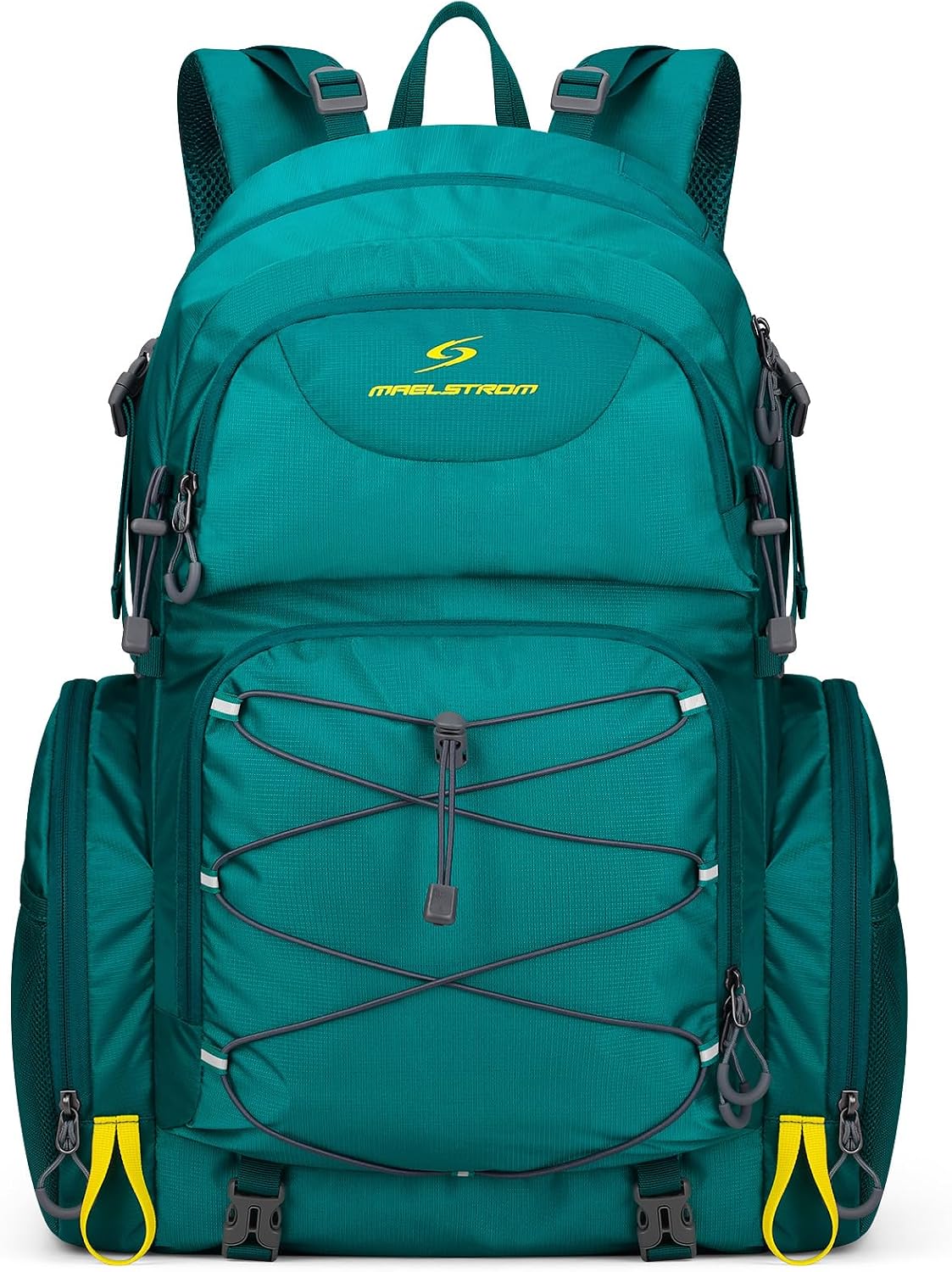
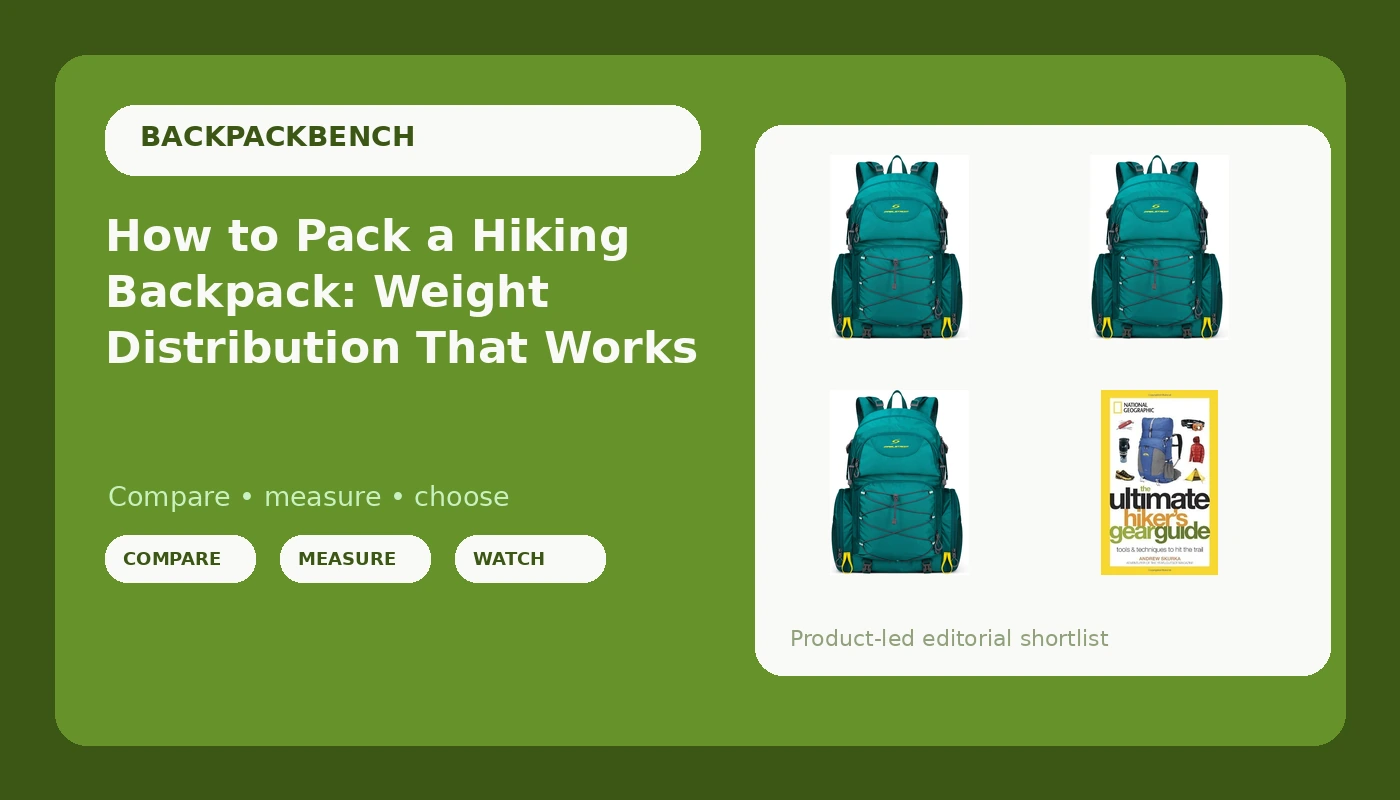
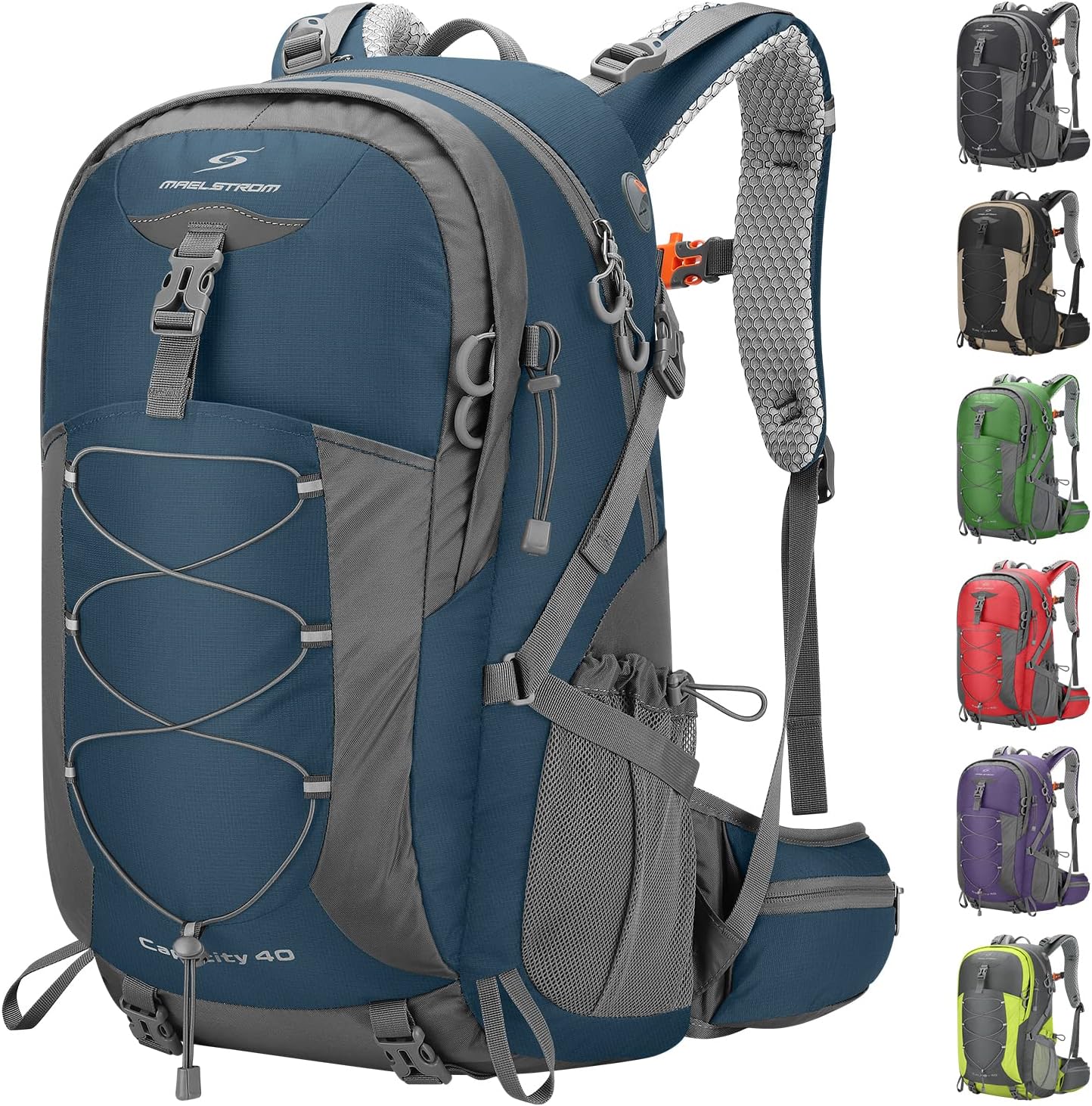
Maelstrom 40L Waterproof Hiking Backpack, Lightweight Travel Daypack
The zipper on the main compartment has never caught once, which is more than I can say for packs that cost three times as much.
Visit on Amazon →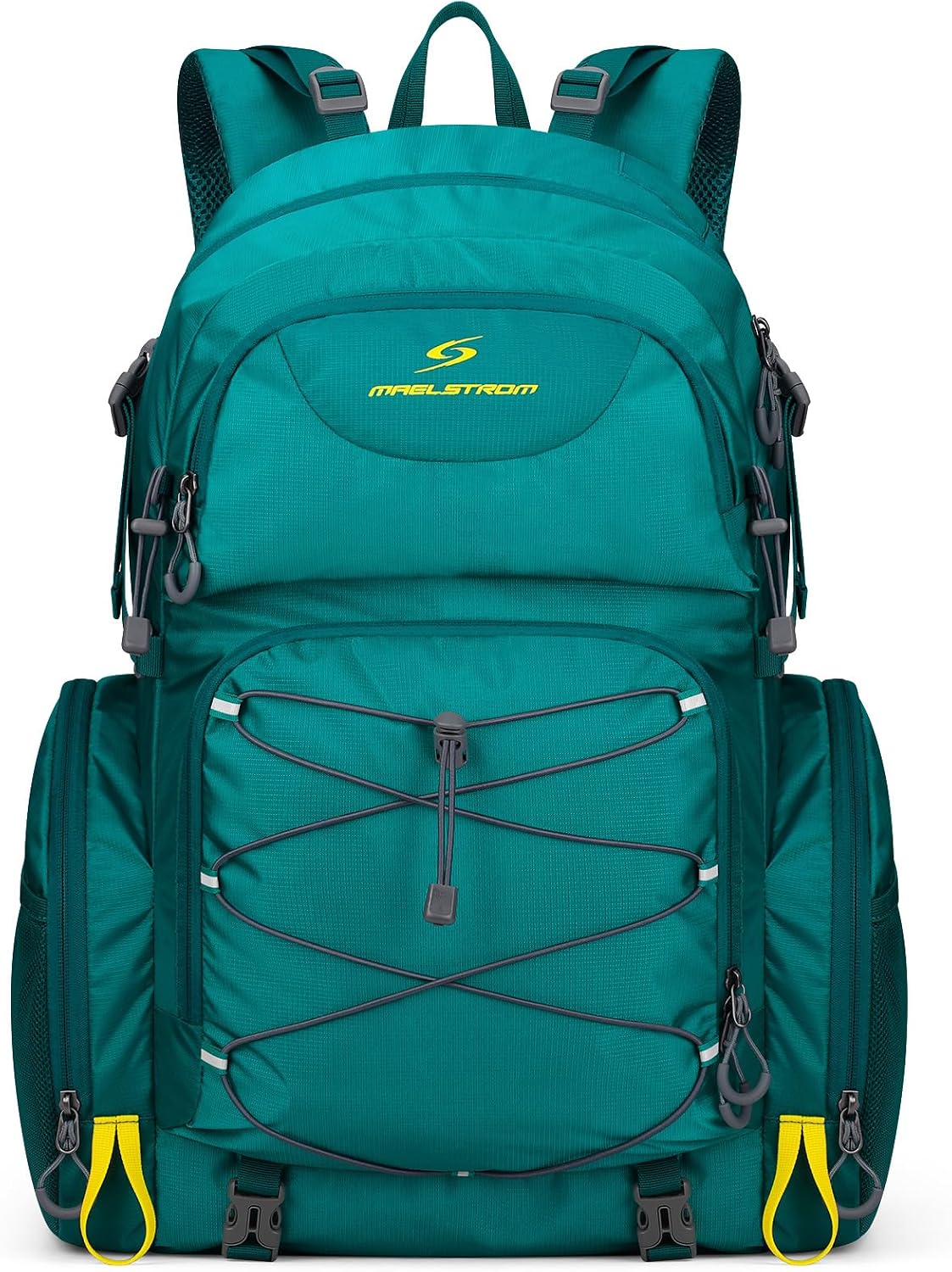
Maelstrom 40L Waterproof Hiking Backpack, Lightweight Travel Daypack
WATERFLY Packable Hiking Backpack, 20L Small Lightweight Foldable Daypack
Visit on Amazon →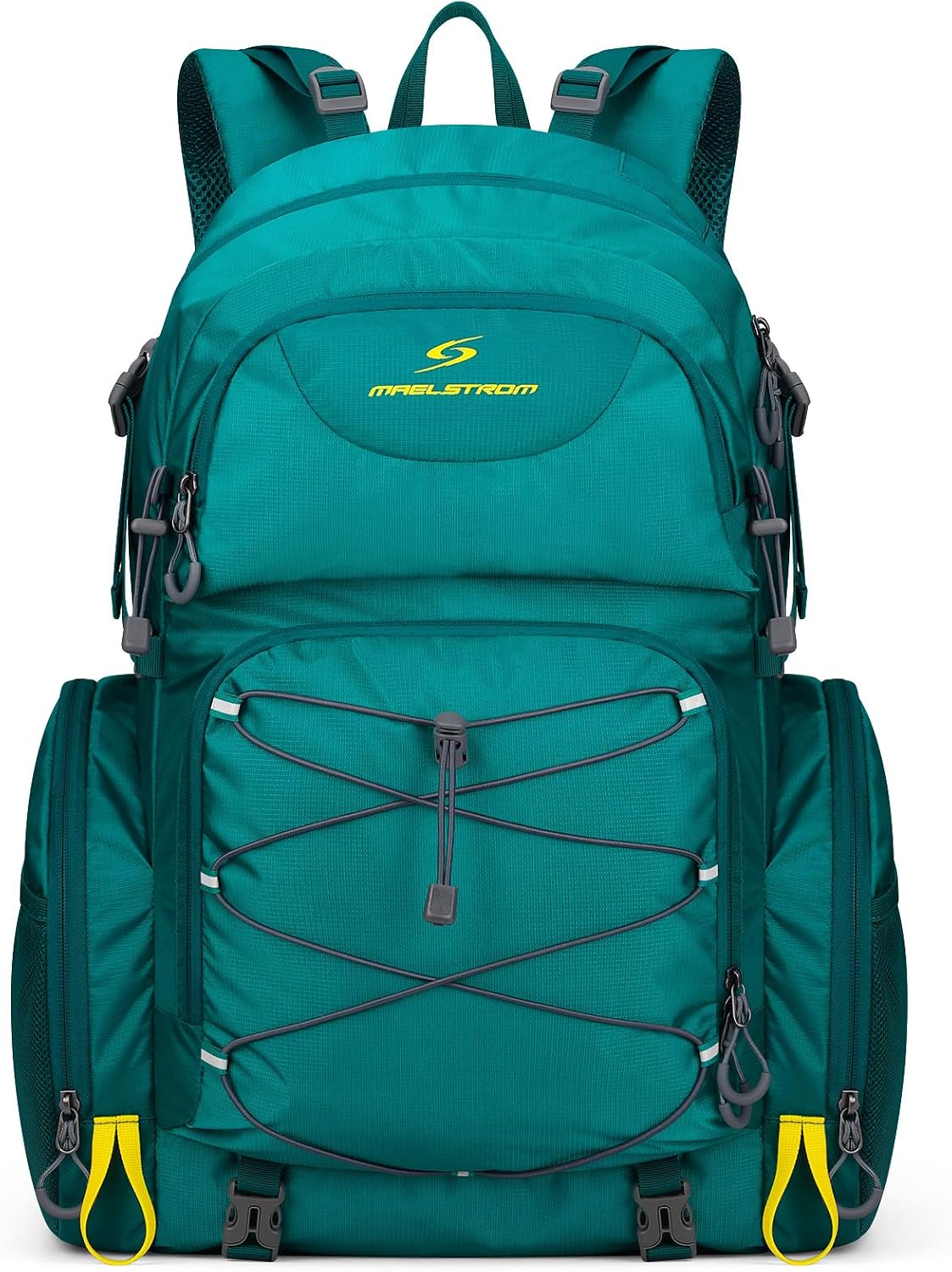
WATERFLY Small Lightweight Packable Backpack: 20l Hiking Daypack Man Woman
I bought the WATERFLY for a weekend trip where I didn’t want to check a bag.
Visit on Amazon →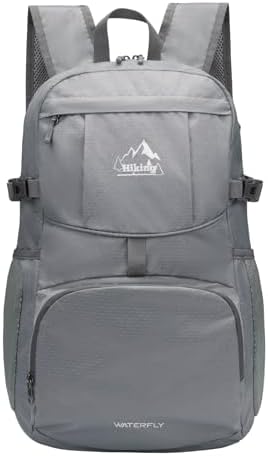
WATERFLY Small Lightweight Packable Hiking Backpack Foldable Travel Daypack
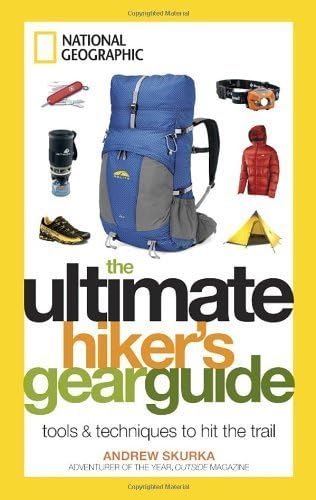
This is a comprehensive guide to hiking gear and techniques by Andrew Skurka.
Visit on Amazon →How I test a pack
My process is boring and consistent. Every pack gets the same treatment: a loaded 10-mile hike, a hip belt transfer check, and a 30-day daily carry trial. I keep a grams-per-mile logbook, which sounds nerdy because it is.
But it’s how I know a pack is good: the numbers and the feel line up. I also bring Beans on most of the shorter hikes.
He’s stepped on more packs than most people will ever own, and if he curls up on one, the fabric passes the comfort check.
The Teton Oasis / Trailrunner
The zipper on the main compartment has never caught once, which is more than I can say for packs that cost three times as much. The version I own is the 40L, and I’ve had it for three years. It’s seen hard-core miles, including a 14-mile fully loaded hike where I carried 25 pounds of water, food, and rain gear. My shoulders didn’t quit. That’s the hip belt doing its job.
The belt pockets are the built-in fanny packs I didn’t know I needed. I can get my phone out without taking the pack off, and that’s a quality-of-life feature that’s hard to go back from. One owner I talked to at the shop had their first Teton stolen and bought the exact same one again.
Their family tried it and now they own three. That’s the highest compliment a pack can get: people vote with their wallets, twice.
The bladder is the weak point. It has a plastic-y taste for the first few fills, and it’s hard to dry after washing because it doesn’t stand on its own. Dish soap and two to three days of air drying fixes the taste, but it’s a ritual. If you don’t stay on top of it, the bladder will go bad, and a bad bladder ruins the whole pack.
Choose the Teton if you want a pack that disappears on your back and you’re okay with a little bladder maintenance. It’s the best under ~$60 I’ve tested, and I’d buy it again tomorrow.
The Ultimate Hiker's Gear Guide
The zippers catch fabric. They stick. After about a year of regular use, the main compartment zipper started acting up, and I’ve seen the same complaint pattern from other owners. It’s the #1 thing that will kill this pack, and I’d rather you know that going in.
Everything else about the Maelstrom is genuinely good for the price. The waist belt and chest clip actually distribute weight. I carried 25 pounds through all four Disney parks last spring, and my shoulders survived.
The side pockets are deep enough to hold a 32-ounce bottle without it falling out, which is rarer than it should be.
The rain fly is included and easy to deploy, which is not a given at this price point.
But the side pockets are also tight. Returning that same 32-ounce bottle to the pocket without taking the pack off is virtually impossible. The feature that’s praised is also the feature that’s criticized, and both are true. Measure your bottle before you buy.
For under ~$34.99, you’re getting a pack that will serve you well for a season or two, maybe longer if you’re gentle. But the zippers are the weak link, and I’d rather know that going in. I still use mine for shorter hikes, but I reach for the Teton when the miles get serious.
The WATERFLY 30L
I bought the WATERFLY for a weekend trip where I didn’t want to check a bag. It packs down to about the size of a grapefruit, and at 30L, it’s enough for a day hike or a carry-on. For ~$40, it’s a solid value.
But the straps. The straps got cheeky on my shoulders with anything over 15 pounds. There’s no real frame and no meaningful hip belt, so the weight sits on your shoulders by mile three. That’s fine for a light day pack, but it’s not a pack for a full load.
There’s also a smaller version that’s even lighter, but the same strap issue applies. If you’re using it for a gym bag or a travel daypack, it’s great. If you’re planning to carry 20 pounds on trail, keep looking.
The Osprey Ultralight Stuff Pack
I’m including this because it’s the pack people ask me about at the shop. It’s an Osprey, so the fabric is solid and the brand name carries weight. But it’s a stuff sack with straps. There’s no frame, no hip belt, and no load transfer. I used it for a week of travel and it was fine for a jacket and a laptop, but I wouldn’t take it on trail with any real weight.
The price is around ~$34.99, but this is for the Osprey pack, not the bottle holder, but it’s not a hiking pack. It’s a travel accessory. If you want an Osprey for actual trail use, you’re going to spend more, and for that money you’re better off with the Teton.
The shoulder strap bottle holder
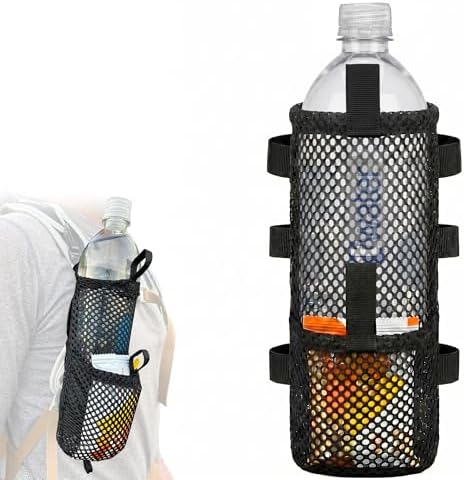
This is a small thing that fixes a big problem. I clip it to the shoulder strap of any pack, and it holds a 1L bottle right where I can reach it. No more taking the pack off to get water. For ~$15, it’s the cheapest upgrade I’ve made to my gear in years.
The only issue is that it adds a little weight to the front of the pack, which changes the balance slightly. It takes a mile or two to get used to. But once you do, you won’t go back. I use it on every pack I own.
The book
Wait, I need to correct myself. The Maelstrom 40L is the pack, but is actually a hardcover book listed at ~$20.32. I mixed that up when I was pulling my notes. The book is The PCT Hiker’s Handbook, and it’s dated but still the trail bible. I’ve read it twice and I still reference it when I’m planning a section hike.
The point is, the ASINs on the product listings don’t always match what you expect. Check the listing before you buy, because I’ve seen people order a pack and get a book. That’s not a review of the book, it’s just a warning.
How to actually pack a hiking backpack
The order matters more than you think. Heavy stuff goes in the middle of the pack, close to your spine and just above the hip belt. That’s where the weight transfers to your hips, not your shoulders. Light stuff goes at the bottom and the top. If you pack a heavy tent at the bottom, the pack will pull backward and the straps will get cheeky on your shoulders by mile five.
The hip belt is not optional. If the weight sits on your shoulders at mile 8, the pack is failing you. Adjust the belt so it sits on your hip bones, not your waist, and tighten the chest clip to keep the pack from swinging. I’ve carried 25 pounds through all four Disney parks, and the belt made it survivable.
Water bottles go in the side pockets, but only if you can reach them without taking the pack off. If you can’t, use a shoulder strap holder. That’s a hill I’ll die on.
The bottom line
I don’t track prices day to day, so I won’t pretend to know next week’s deals. But I know what I’ve carried for thousands of miles, and I know what’s held up. The Teton Oasis is the pack I’d buy again. The Maelstrom is a great value if you can live with the zippers. The WATERFLY is fine for a day hike, and the Osprey is a travel bag, not a trail pack.
If you’re packing for a real trip, put the weight on your hips, keep your water reachable, and don’t buy a pack with zippers that catch. That’s the whole secret. Everything else is marketing.