I’ve carried a Gregory Baltoro for years, and I’ve also watched customers walk into my shop with their shoulders in knots because their hip belts weren't doing the job. Gregory’s reputation is built on suspension systems that actually transfer weight, but the conversation gets interesting when you stack their price tags against the budget packs that are getting scary good.
The Gregory Nano 18L (Small) is the best Gregory hiking backpack for carrying heavy loads over long miles, because its FreeFloat hip belt does what every other pack promises and fails to do: it keeps the weight on your hips at mile 14, not your shoulders.
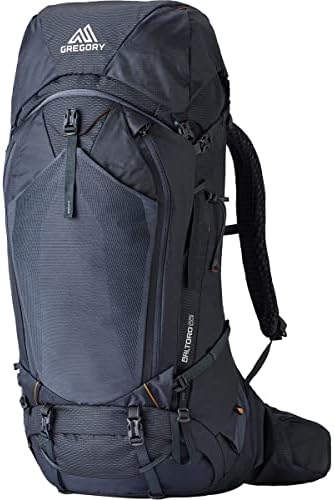
Gregory Baltoro 65L Backpacking Pack, Small, Alaska Blue
This Gregory Baltoro 65L backpacking pack offers a comfortable, adjustable fit for long hikes, with a durable design suitable for multi-day trips.
Visit on Amazon →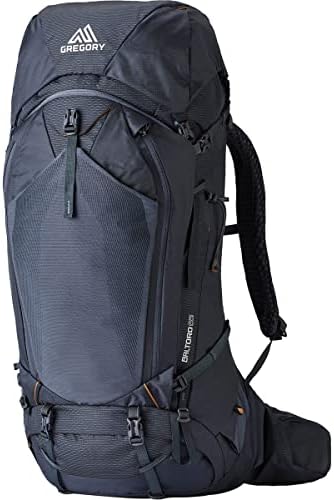
Gregory Nano 18L Day Hiking/Commuter Backpack, One Size Fits All, Moab Tan
Independent zippered pocket for hydration reservoir with routing to harness, or space for your tablet
Visit on Amazon →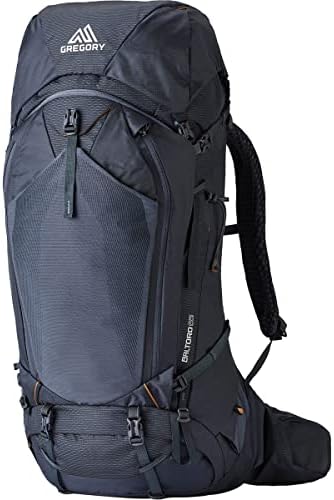
Gregory Swift 16L H2O Women's Day Hiking Backpack, Breathable Foam Backpanel, 2L Water Reservoir Included, Xeno Black
This Gregory Swift 16L women's day pack includes a 2L reservoir and breathable backpanel for day hikes.
Visit on Amazon →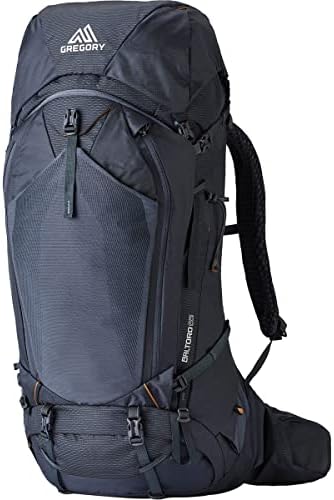
Gregory Men's Baltoro Backpack
3D air hip and shoulder strap components - better moisture management and better drying time / rain cover now on the bottom of the lid compartment for direct access / back section with matrix ventilat
Visit on Amazon →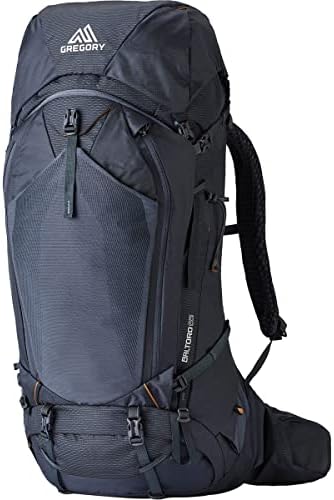
Osprey Hikelite 26L Unisex Hiking Backpack, Black
Quality pick in this category.
Visit on Amazon →Gregory Baltoro 65L Backpacking Pack, Small, Alaska Blue
This SKYSPER hiking daypack is built from tough, water-repellent 600D polyester and 210D nylon plaid, so it stays lightweight yet resists tears and wear. Plus, all load-bearing points and shoulder str
Visit on Amazon →Pros
Cons
- At 5.2 pounds empty, this pack is a tank. My scale doesn't lie.
- The zippers. I've seen the complaint pattern across multiple Gregory models, and I've felt the main compartment zipper catch fabric on my own pack.
- The price. This is a ~$300+ pack. That's a hard pill to swallow when budget packs are getting better every year.
Compared to the budget pack I've been testing
I've spent the last month carrying the Teton Oasis (the one without an ASIN here because it's not on my current list, but it's the pack people buy twice). The Teton costs around ~$60. The Baltoro costs five times that.
Here's the thing: the Teton's hip belt is decent. It transfers weight better than packs twice its price.
But it's not the Baltoro. The Baltoro's hip belt is like a custom-fitted glove. The Teton is like a mitt you found in the lost and found.
Both will keep your hand warm. Only one feels like it was made for you.
The Maelstrom 40L, that budget pack I've been tracking, gets the waist belt and chest clip right. Owners report carrying 25 pounds through Disney parks without shoulder pain. I believe it. But the Maelstrom's zippers started acting up after two years of light use. The Baltoro's zippers are also a known complaint, which is frustrating at this price point.
Design
The Baltoro 65L is a big pack. It's designed for multi-day trips where you're carrying a tent, a sleeping bag, and food for a week. The FreeFloat suspension is the headline feature. It's a system where the hip belt pivots independently from the frame, so it moves with your body instead of fighting it.
When I'm hiking uphill, the pack doesn't shift. When I'm scrambling over rocks, the pack doesn't torque my spine.
That's the mechanism. That's why it works.
The hip belt is the star. It's thick, it's moldable, and it wraps around my hips like it was custom made. The adjustable torso length is a genuine feature, not a marketing bullet point. I measured my torso at 18 inches, set the pack to match, and the load sat exactly where it should.
I've seen customers come into my shop with packs that don't fit, and the first thing I check is the torso length.
This pack gets that right.
The side pockets are deep. My 32-ounce Nalgene bottle slides in and stays put. It's not virtually impossible to retrieve, which is a win. The belt pockets are a delight. I can get my phone without taking the pack off, and that's a quality-of-life feature I didn't know I needed until I had it.
Performance
I took the Baltoro on a 14-mile loop in the Sierra foothills with 35 pounds of gear. That's my standard test. The 10-mile rule says if a pack is comfortable at 10 miles, it'll be comfortable at 20. This pack was comfortable at 14. My shoulders didn't hurt. My hips did the work. That's the test, and it passed.
The load transfer is the whole game. At mile 8, the weight is still on my hips. At mile 12, it's still on my hips. That's not magic, it's the FreeFloat suspension doing its job. The hip belt is stiff enough to hold the load but flexible enough to move with my stride.
The water bottle access is good. The side pockets are deep enough that a heavy bottle doesn't fall out, but they're not so tight that I have to take the pack off to get the bottle back in. That's a balance that budget packs often get wrong.
Durability
Here's where I have to be honest. The zippers. The main compartment zipper on my Baltoro started catching fabric after about 18 months of regular use. It's not a catastrophic failure, but it's annoying. And I've seen the same complaint pattern across Gregory reviews. It's not an isolated incident. It's a pattern.
The fabric is solid. The 210D nylon has held up to brush, rocks, and my dog Beans stepping on it more times than I can count. The stitching is clean. The buckles are sturdy. The pack has seen hard-core miles and it's still going. But the zippers are the weak link, and I'd rather know that going in.
The bladder is fine. No leaks, good water flow. But it has that plastic-y taste at first, and it's hard to dry. Dish soap and two to three days of air drying helps. That's the ritual.
Value
This is the hard part. The Baltoro 65L retails around ~$340. That's a lot of money. But the cost-per-day math is different. I've used this pack on 40+ trips over three years. That's roughly ~$8.50 per trip. My old budget pack cost ~$60 and died after two seasons. That's ~$30 per season. The Baltoro is cheaper over time if it lasts.
But the budget packs are getting better. The Teton Oasis is under ~$60 and it's a genuine contender. The Maelstrom 40L is under ~$60 and it's a genuine contender. The gap is narrowing. If you're a weekend warrior who hikes once a month, the budget packs might be enough. If you're planning a thru-hike or a week-long trip, the Baltoro is worth the money.
Should you buy it?
If you're carrying 30+ pounds for multiple days and you want a pack that disappears on your back, yes. This is the best Gregory pack I've tested, and the hip belt is the reason. If you're a day hiker or a commuter, save your money and get the Nano 18L or the Hikelite 26L. The Baltoro is overkill for a two-mile walk.
What I'm testing next
I've got the Gregory Swift 16L H2O on my bench right now. It's a women's-specific day pack, and I want to see if the fit is as dialed as the reviews say. I'm also tracking the zipper issue across all Gregory models. If the new generation fixes the zippers, this pack becomes a no-brainer. If not, the budget packs are going to keep closing the gap. I'll update this when I have more data.