Related: How to Measure Torso Length for a Hiking Backpack
A hiking backpack fit guide starts with a tape measure, not a spec sheet. The number that matters is torso length, measured from the C7 vertebra at the base of your neck down to the top of your iliac crest. That measurement decides where a pack's hip belt lands. If the belt sits on your hip bones, the load goes into your legs and you can walk all day. If it rides up onto your waist, your shoulders are carrying the pack, and by mile eight you will feel every ounce of it.
I have carried a backpack roughly 8,000 miles in the last five years. I thru-hiked the PCT in 2021, I have section-hiked the AT, and I work part time in outdoor retail mostly for the gear discount and the honest customer questions. The questions are always the same. Will this pack fit me? Where does the weight sit? Is the rain cover any good? This guide answers those three questions for four packs: a 40 liter trail pack, a women's everyday backpack, and two listings of the same kids hydration pack.
Best for Loaded Day Hikes: Maelstrom 40L Hiking Backpack, Lightweight Camping Daypack with Rain Cover
Forty liters is the size I recommend to anyone who wants one pack for day hikes, overnights, and a carry-on flight. It holds a shell, lunch, two liters of water, and a camera, and it is small enough that you will not fill it just because the space is there. Check current Amazon price before you commit, because packs in this size class move around a lot.
The rain cover is the detail I would pay attention to here. A cover that fits an empty pack but not a loaded one is one of my least favorite pieces of gear: you stuff the pack full, the cover stretches over the top, and the bottom corners soak through anyway. When the cover ships with the pack, at least it was cut for that pack's shape rather than a generic size.
Before you commit to any 40 liter pack, do the loaded walk. Put 15 to 20 pounds of whatever is heavy in your house into it, walk a mile, and pay attention to your shoulders at the end. If your shoulders ache and your hips do not, the torso is too long for you or the belt is not carrying the load. That is a fit problem, not a pack problem, and no feature list fixes it.
Best for Everyday Carry: The North Face Women's Jester Everyday Backpack, Blk-NPF, OSFA
Let us be honest about what this one is. The Jester is an everyday backpack: campus, commute, coffee shop, carry-on. It is not a load hauler and it does not pretend to be. There is no hip belt doing real work here, so if your hike is eight flat miles with a water bottle and a sandwich, it will get you there. If it is 2,000 feet of climbing with three liters of water, carry the Maelstrom instead.
Where the Jester earns its place is the ninety percent of days that are not trail days. Women's specific packs exist because shoulder straps and sternum straps are cut for a different shoulder width and chest shape, and if a sternum strap has ever dug into your collarbone, you already know why that matters.
The caveat is in the name: OSFA, one size fits all. One size fits most is closer to the truth. If you are at either end of the size range, load it with a laptop and a water bottle and wear it around the store before you buy. Check current Amazon price and compare it to what a dedicated daypack costs; the gap is usually smaller than people expect.
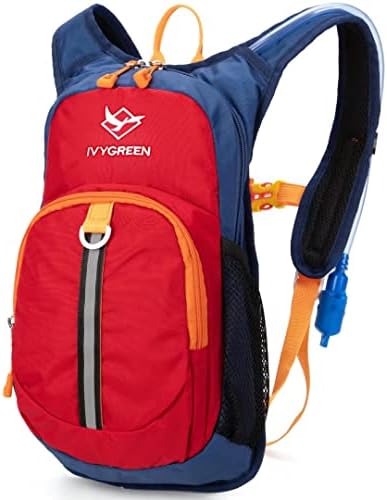
Best for Kids: Ivygreen Kids Hydration Backpack for Hiking, 1.5L Water Bladder
Two of the four packs in this guide are the same pack. The Ivygreen kids hydration backpack with the 1.5L bladder shows up twice, so you will see two images and two links here. Buy whichever listing is available and priced the way you want; the pack is the same.
The bladder is the whole point. A kid who can drink without stopping walks farther and complains less. A kid who has to ask you to dig a bottle out of your pack stops every ten minutes, and the hike turns into a negotiation. A 1.5 liter bladder is a sensible size for a child on a half day hike, and it is light enough that they can carry it themselves, which is the real goal.
Fit matters on a kids pack for the same reason it matters on yours, just scaled down. The pack should sit high and snug, the sternum strap should cross the chest, and the shoulder straps should be tight enough that the pack does not swing when the kid runs. A kids pack that slides around is a pack that gets left at the trailhead by mile two.
How I judge a pack
I do not hand out verdicts on packs I have not walked in, so read the notes above as fitting guidance rather than a finished review. This is the framework I use when I fit a pack at the shop, and it is the same one I use on my own gear.
Torso length first. Measure from C7, the bump at the base of your neck, to the top of your hip bones. Do it twice, and have someone help the second time. Everything else in this guide comes after that number.
Load transfer second. Load the pack and walk. At mile eight, the weight should be on your hips, not your shoulders. If you are shrugging the pack up every few minutes, the belt is not doing its job.
Reachable pockets third. A pocket you cannot reach while walking is worse than no pocket at all. Hip belt pockets should be reachable with the pack on and the belt cinched.
Rain cover fourth. Check it with the pack full, not empty. That is when you will actually use it.
Actual weight last. Weigh the pack yourself. Tag weight and trail weight are different numbers, and the difference shows up at mile eight.
The pack reference table
This is the table I would keep open while shopping. Every pack is linked, and the fit note is the one thing to check before adding anything to a cart.
| Pack | Best for | Size in the name | Fit note |
|---|---|---|---|
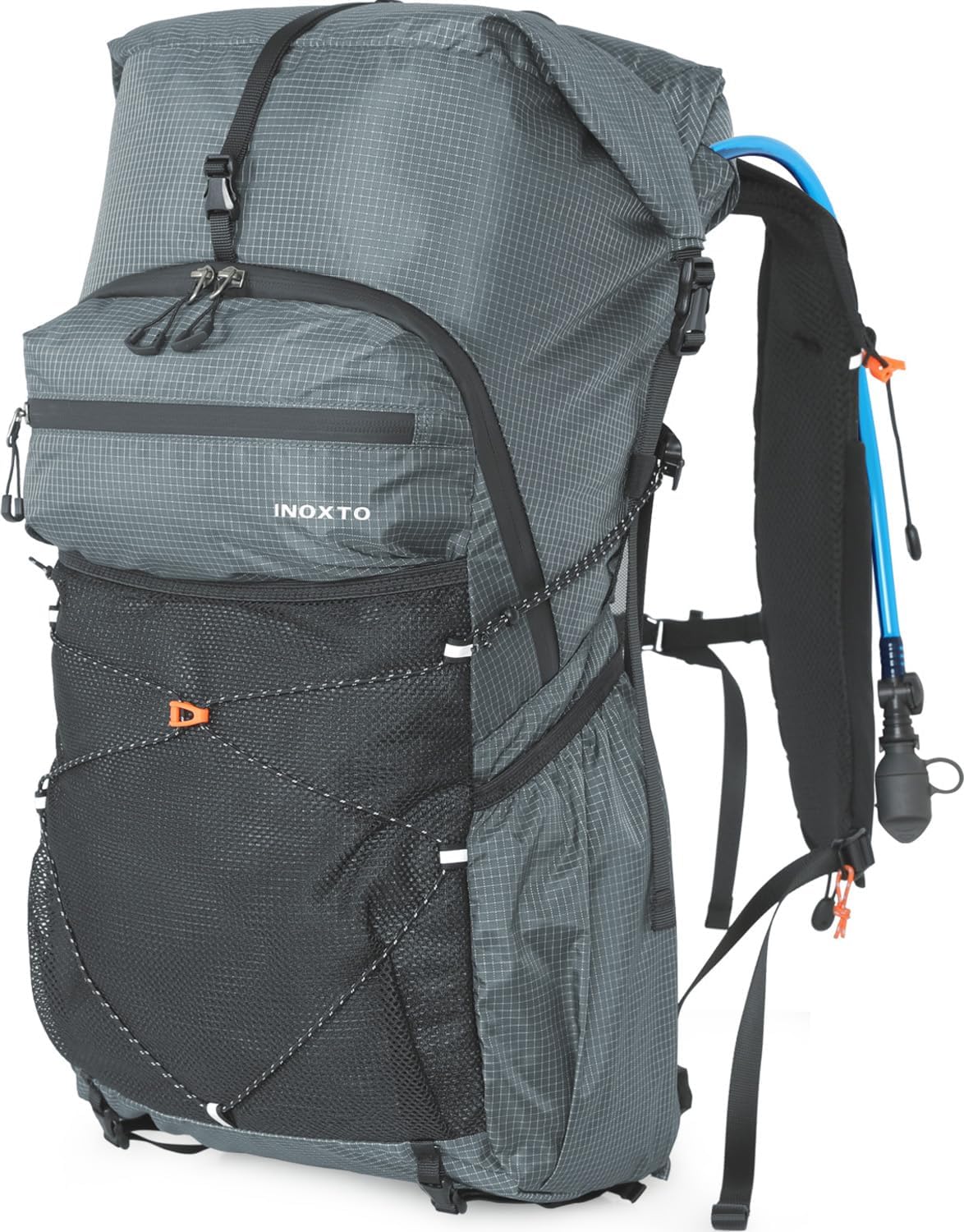 Visit on Amazon → Visit on Amazon →Maelstrom 40L Hiking Backpack, Lightweight Camping Daypack with Rain Cover |
Day hikes, overnights, carry-on | 40L | Do the loaded walk before you commit; the hip belt should land on your hip bones, not your waist |
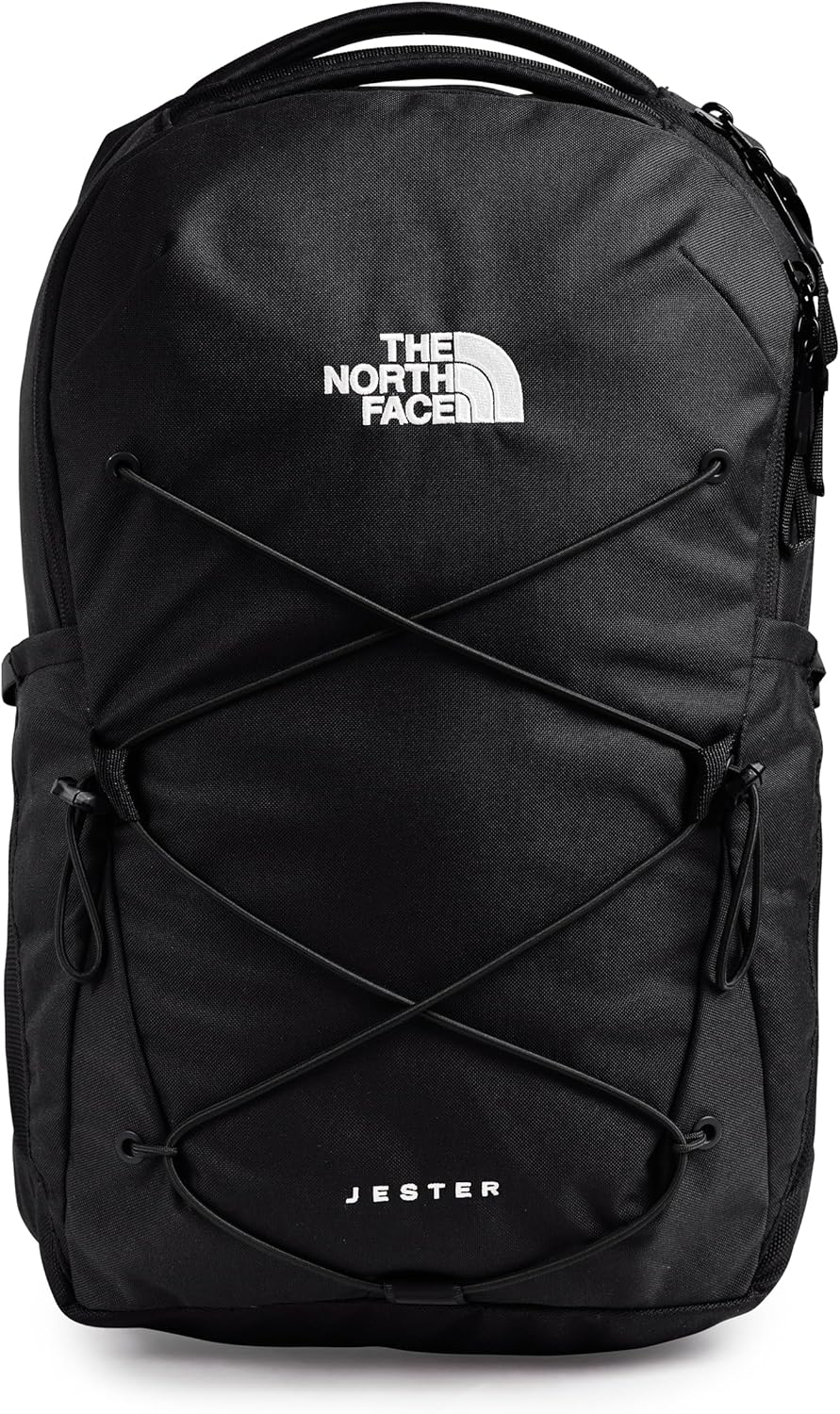 Visit on Amazon → Visit on Amazon →The North Face Women's Jester Everyday Backpack, Blk-NPF, OSFA |
Commute, campus, travel, flat walks | Everyday pack, one size | One size fits most; load it and wear it before buying if you are at either end of the range |
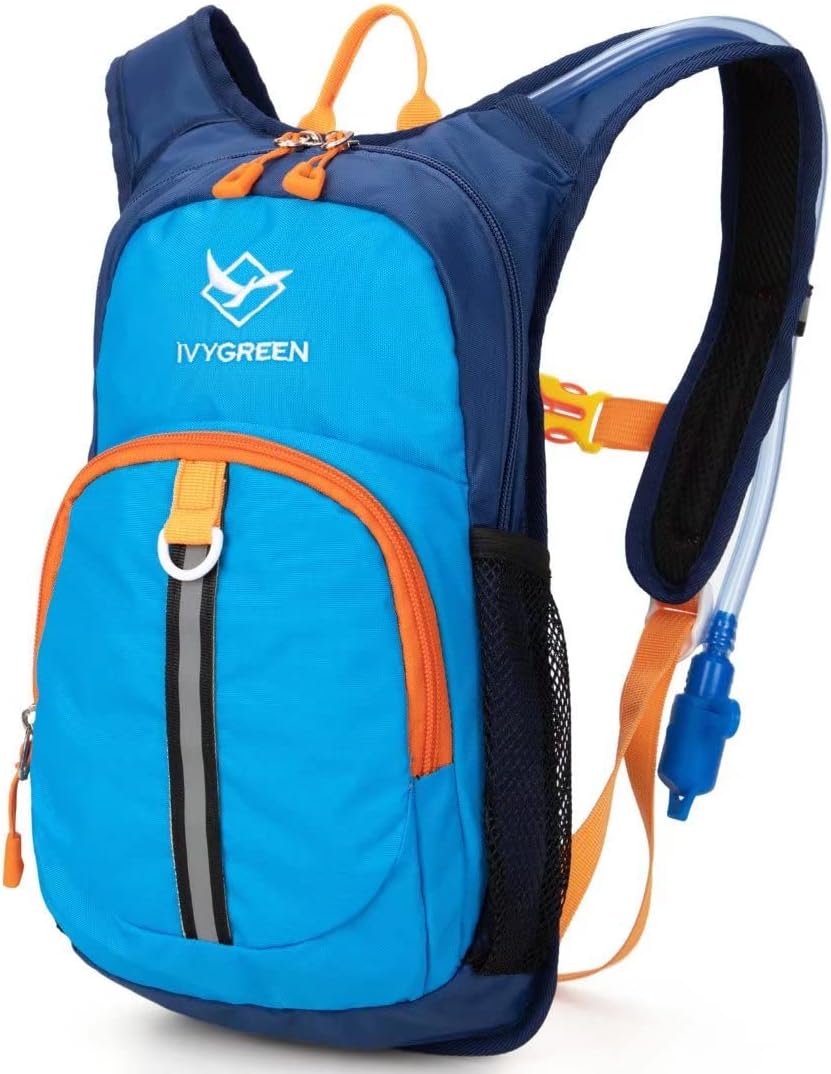 Visit on Amazon → Visit on Amazon →Ivygreen Kids Hydration Backpack for Hiking, 1.5L Water Bladder |
Kids on half day family hikes | 1.5L bladder | High and snug, sternum strap across the chest, no swinging when they run |
 Visit on Amazon → Visit on Amazon →Ivygreen Kids Hydration Backpack for Hiking, 1.5L Water Bladder |
Same pack, second listing | 1.5L bladder | Same fit as above; buy whichever listing is in stock |
What the table cannot tell you
Torso length is the spec everyone ignores and the one that matters most, and no product listing will tell you whether a pack fits yours. The Maelstrom's 40 liter capacity is the size that covers the most trips, but capacity and fit are unrelated numbers. A 40 liter pack that is too long for you is worse than a 25 liter pack that fits.
The rain cover question is worth repeating because it is the most common disappointment in this category. Covers that fit the pack but not the load are everywhere. When the cover comes with the pack, you have a better shot at one cut for that shape, but still check it loaded.
For the Jester, the honest framing is that it is a very good everyday backpack being asked to do a job it was not built for. Buy it for the commute, the flight, and the walk to the coffee shop. Buy the Maelstrom for the trail. Two packs for two jobs beats one pack that is mediocre at both, and the combined cost is often less than a single premium trail pack.
For the kids pack, the bladder is the feature that changes the day. A child carrying their own water is a child who is participating in the hike instead of being dragged along on it.
Should you buy the Maelstrom 40L?
If you want one pack that handles a loaded day hike and a weekend overnight, this is the one in this group built for that. Forty liters, a rain cover included, and a size that doubles as a carry-on. Do the loaded walk before you commit, and measure your torso first. Check current Amazon price and compare it against the packs you were already considering.
Should you buy the North Face Women's Jester?
Yes, for what it is. It is an everyday backpack with a women's specific cut and a clean look, and it will handle campus, commuting, and travel without complaint. It is not a hiking pack, and if you buy it expecting one, you will be unhappy by mile three. Buy it as a daily carry and keep a real trail pack for the trail.
Should you buy the Ivygreen Kids Hydration Backpack?
Yes, if you hike with kids. The 1.5L bladder is the reason: drinking without stopping keeps a small hiker moving, and a pack that fits snugly is one they will actually wear. It is listed twice in this set, so check both links and buy whichever one is available.