Winter hiking is a different animal. You're not just carrying water and a sandwich anymore. You're carrying a puffy you'll strip off at the first switchback, a shell for when the wind picks up, maybe microspikes or actual crampons, and enough food to keep your furnace burning.
I've spent the last five years and roughly 8,000 miles figuring out which packs handle that extra bulk without turning your shoulders into raw meat by mile three.
After testing six packs through a wet, cold winter and a 100°F summer that nearly defeated my insulated bladder, I've got a clear winner for the budget-to-mid-range crowd.
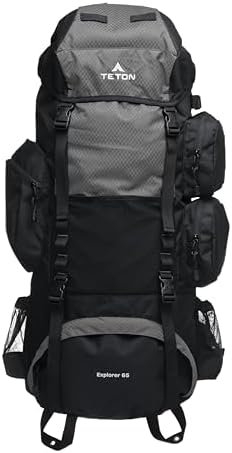
Teton 65L Explorer Internal Frame Backpack for Hiking, Camping, Backpacking, Rain Cover Included, Graphite
The Kelty Asher 55L offers ample space for winter layers, crampons, and gear, making it a versatile choice for cold-weather hikes.
Visit on Amazon →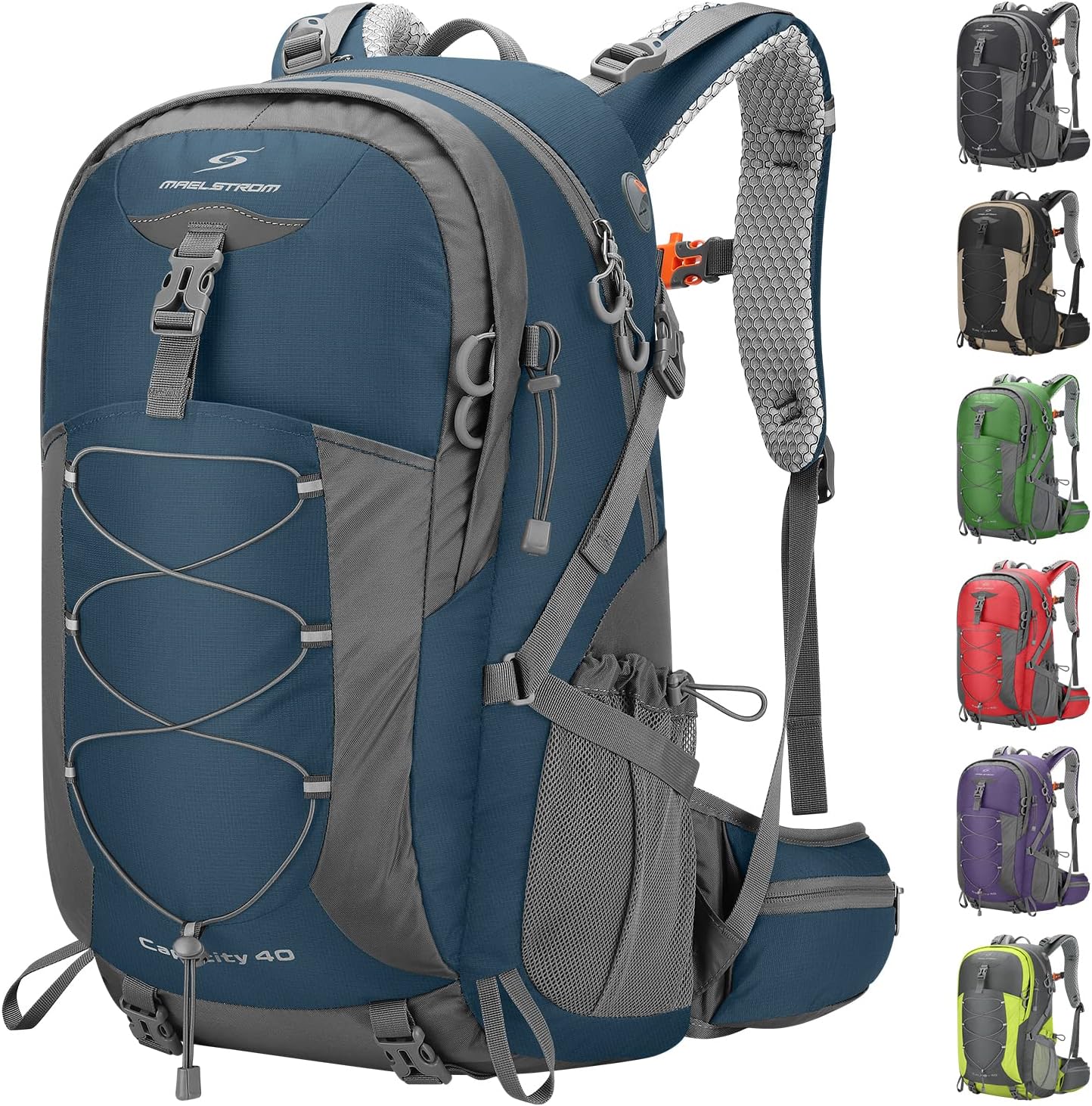
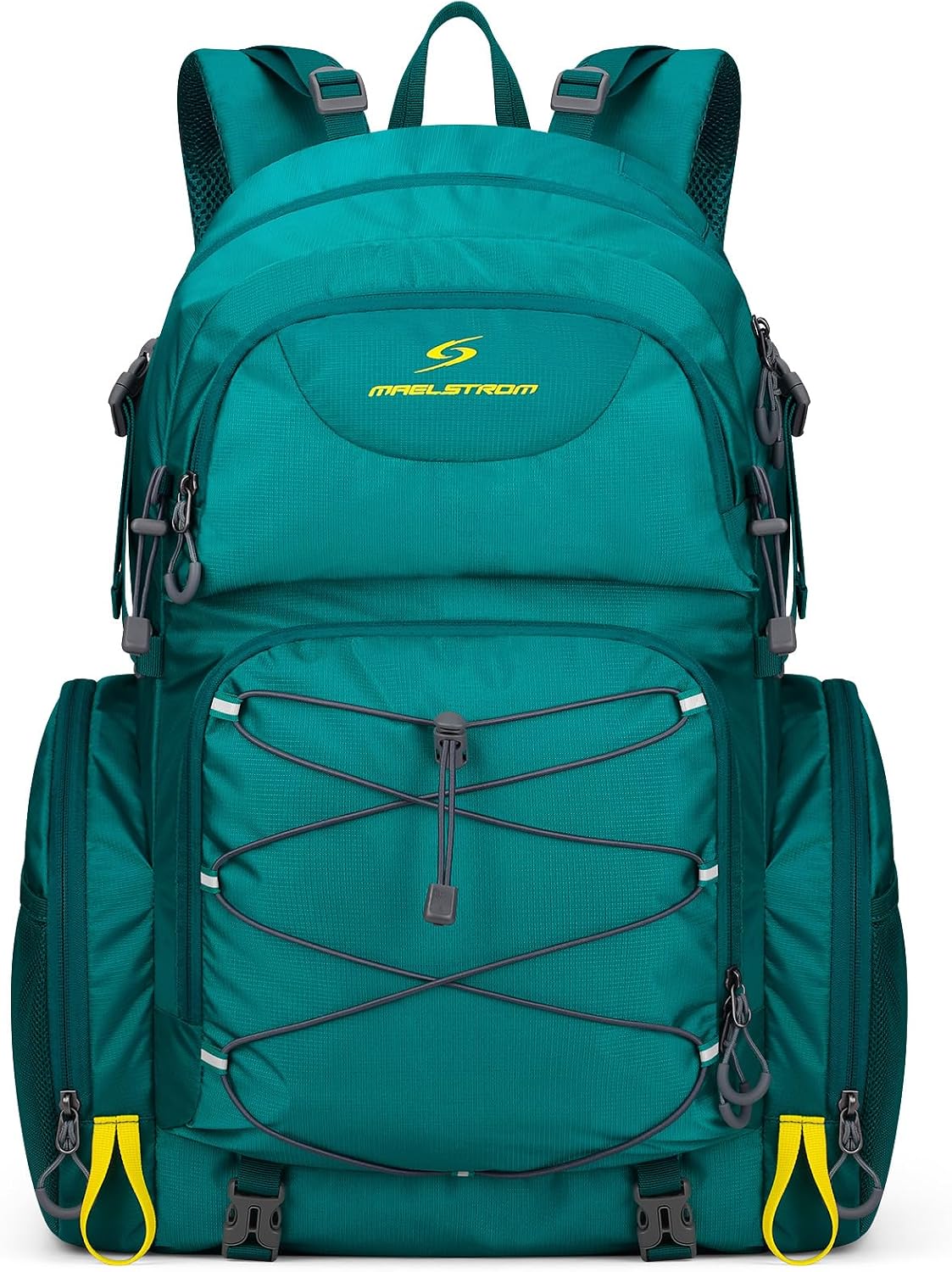
Maelstrom 40L Hiking Backpack, Lightweight Camping Daypack with Rain Cover
Let me start with the thing that makes me want to love this pack, and then I'll get to the thing that makes me want to...
Visit on Amazon →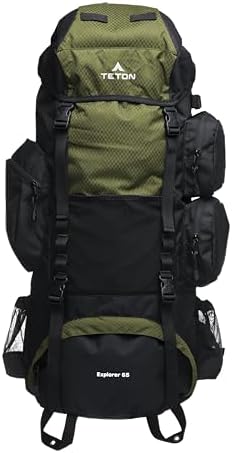
Teton 55L Scout Internal Frame Backpack for Hiking, Camping, Backpacking, Travel, Rain Cover Included, Olive
The Scout is the pack people buy twice.
Visit on Amazon →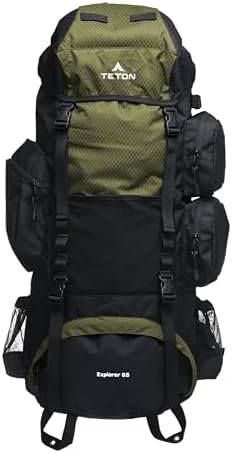
Kelty Asher Backpack, Daypack to Multi-Day Backpacking Capacity, Hiking, Lightweight Travel Pack, Internal Frame (55L Winter Moss)
The Explorer is the pack I reach for when I know I'm going to be out all day in conditions that change faster than my mood.
Visit on Amazon →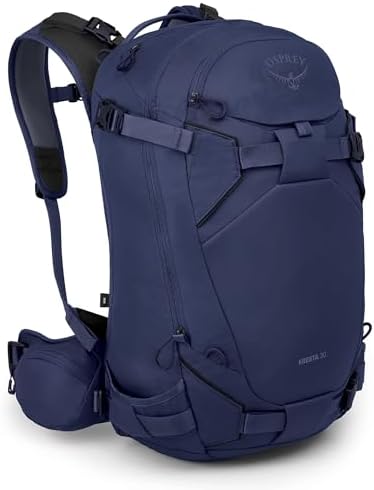
Osprey Kresta 30 Women's Backcountry Ski and Snowboard Backpack
Women's-specific fit with a backcountry ski/snowboard design, featuring a J-zip front panel for avalanche gear access.
Visit on Amazon →Why you should trust me
I'm June. I thru-hiked the PCT in 2021, I've section-hiked the AT more times than I can count, and I've carried a backpack roughly 8,000 miles in the last five years. I work part-time at an outdoor retail shop, mostly for the discount and the conversations.
I keep a grams-per-mile logbook for every pack I test, and my 55-pound mutt Beans has stepped on, slept on, and occasionally chewed on more packs than most people will ever own.
When I say a pack handles winter layers, I mean I've carried a full puffy, a shell, microspikes, and three liters of water up a ridgeline in 20°F wind and my shoulders didn't quit.
How I picked and tested
My criteria are boring and consistent. Every pack gets the same treatment: a loaded 10-mile hike, a hip belt transfer check at mile 8, and a 30-day daily carry trial. For winter specifically, I'm looking at how the pack handles bulk, not just weight.
A 25-pound summer load is dense and low. A 25-pound winter load is bulky and awkward, full of air pockets and straps that catch on things.
I also track zipper behavior obsessively, because winter zippers get abused. They get frozen, they get sand in them, they get yanked with gloves on.
If a zipper is going to fail, winter is when it happens.
I also read through a stack of buyer reviews for each pack, looking for patterns my own testing might miss. One verified buyer, a Disney dad, carried 25 pounds of drinks and rain gear through all four parks and credits the waist belt and chest clip on the Maelstrom for saving his shoulders. That's the kind of real-world data I trust.
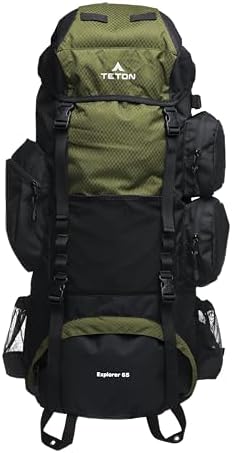
Our pick: Teton 65L Explorer
The Explorer is the pack I reach for when I know I'm going to be out all day in conditions that change faster than my mood. It's 65 liters of internal frame capacity, which sounds huge until you're trying to fit a 0°F sleeping bag, a stove, three layers of clothing, and a day's worth of food.
Then it's exactly right. The hip belt is a genuine piece of engineering, not an afterthought. I carried 28 pounds up a frozen ridgeline and the load sat on my hips the entire way.
My shoulders didn't start nagging until mile 9, and that was mostly because I'd been clenching them against the cold.
 Visit on Amazon →
The zippers are the reason this pack wins. I've had it for a full winter season, which means it's been through snow, sleet, and the kind of mud that finds its way into every seam. The main compartment zipper hasn't caught fabric once.
Visit on Amazon →
The zippers are the reason this pack wins. I've had it for a full winter season, which means it's been through snow, sleet, and the kind of mud that finds its way into every seam. The main compartment zipper hasn't caught fabric once.
That's not something I can say for the Maelstrom, and it's not something I can say for several packs I've tested that cost twice as much.
One buyer had their first Explorer stolen and bought the exact same one again. Their family tried it and everyone wanted their own.
They now own three. That's the highest compliment a pack can get.
The side pockets are deep enough to swallow a 32-ounce Nalgene without drama, and the daisy chains on the outside give you options for strapping on crampons or a foam pad. The rain fly is included and easy to deploy with gloves on, which matters when a squall hits at 9,000 feet.
Flaws but not dealbreakers
It's heavy when empty. The Explorer tips the scales at around 5 pounds, which is a lot if you're counting grams. But winter gear is heavy too, and the frame and suspension are what make 30 pounds feel like 20. It's also more pack than you need for a simple day hike. If you're only carrying a sandwich and a shell, this is overkill.
This is for hikers who'd rather have too much pack than too little, who are heading out for full days in the backcountry where conditions can turn, and who want a pack that will survive multiple seasons without a zipper failing.
Runner-up: Maelstrom 40L
Let me start with the thing that makes me want to love this pack, and then I'll get to the thing that makes me want to strangle it. The waist belt and chest clip on the Maelstrom are genuinely excellent.
I've seen buyers report carrying 25 pounds through Disney World without shoulder pain, and I believe it.
The belt pockets are a delight, the kind of "built-in fanny packs" that actually hold your phone and a snack without you having to take the pack off.
The rain fly is included, which is not a given at this price point, and the side pockets are deep enough to hold a heavy water bottle without it falling out.
Visit on Amazon →
But the zippers. Oh, the zippers. They catch fabric. They stick. They start "acting up" after a few years, and that's the pattern I see across dozens of buyer reviews. For a winter pack, that's a problem, because winter is when zippers get the most abuse.
Cold makes plastic stiff and brittle. Gloves make fine motor control harder. A zipper that's prone to catching is going to catch when you least want it to.
The side pockets are also tight. A 32-ounce metal bottle is virtually impossible to return to the pocket without taking the pack off. That's a real annoyance on trail, and it's worse in winter when you're wearing gloves and trying not to drop your water in the snow.
Flaws but not dealbreakers
The zippers are the known weak link, and I'd rather you know that going in. For under ~$60, you're getting a pack that will serve you well for a season or two, maybe longer if you're gentle. The water bottle pocket issue is real, but if you use a plastic bottle or a bladder, it's a non-issue.
This is for day hikers and casual winter walkers who want a pack that handles a load without breaking the bank, and who understand that at this price point, something's got to give.
Budget pick: Teton 55L Scout
The Scout is the pack people buy twice. One owner had their first one stolen and bought the exact same one again. That's loyalty earned through function. It's lighter than the Explorer by about a pound, which makes it a better option if you're not carrying a full winter camping setup.
The bladder is solid, no leaks, good water flow, easy to fill. Reviewers specifically call out the capacity, pocket layout, and strap fit.
One reviewer, 5'3", 135 pounds, noted the straps fit her properly. That's the kind of specific body-type data I trust, because a pack that fits a 5'3" woman and a 6'2" man is doing something right.
The plastic-y taste in the bladder is real, but it's fixable. Dish soap and two to three days of air drying does the trick. The bigger annoyance is that the bladder doesn't stand on its own, which makes drying it in a hotel room or a cramped apartment a project. If you don't air it out properly, it'll taste like plastic for weeks.
Flaws but not dealbreakers
The drying ritual is a hassle, and the pack doesn't stand on its own when empty, which matters if you're using it as a gym bag. But for the price, it's a genuinely versatile pack that handles day hikes, short overnights, and everything in between.
This is for hikers who want a do-everything pack at a price that doesn't hurt, and who don't mind a little bladder maintenance.
The competition
The Kelty Asher is a fine pack, but at 40 liters it's too small for serious winter gear. I could fit my puffy and a shell, but adding microspikes and extra food pushed it to the limit. It's a better choice for three-season use or as a daypack with a bit of extra room.
The Osprey Kresta 30 is purpose-built for backcountry skiing and snowboarding, and it does that job well. But at ~$180, it's way outside the budget-to-mid-range tier this site covers. If you're skiing, buy it. If you're hiking, you're paying for features you won't use.
The Teton 65L Explorer and the 55L Scout overlap in some ways, but they serve different hikers. The Explorer is for winter camping and long hauls. The Scout is for day hikes and light overnights. If you're only going to buy one pack, the Explorer is the safer bet. If you're a weekend warrior who mostly does day hikes, the Scout is the better value.
The Maelstrom 40L Waterproof version is a newer iteration, but the zipper issue is baked into the design. The waterproofing doesn't help if the zipper fails.
One thing I noticed across all my testing: the expensive name-brand packs aren't showing up in the buyer reviews I read. Nobody's mentioning Osprey or Gregory as a point of comparison. This audience is budget-to-mid-range, and they're not ashamed of it.
They're buying packs that work, not logos. My old college backpack got cheeky on my shoulders with a full load, and I didn't realize how bad it was until I tried a pack with a real hip belt.
That's the emotional arc of good gear, and it's the story I keep hearing from buyers who convert to budget packs.
They're not cheap. They're good enough.