Well, the marketing photos all show the same thing: a person on a summit, pack half-empty, looking off into the distance. But the real question is what happens at mile 8 with 20 pounds on your back and a 32-ounce bottle in the side pocket.
I've been testing packs for five years now, since my old college backpack started chewing up my shoulders on the PCT, and I've learned that the difference between a daypack and a hiking backpack isn't the liter count.
It's the hip belt.
I've carried packs roughly 8,000 miles in the last five years, including a full PCT thru-hike in 2021. My dog Beans has slept on more of them than I care to count. Here's the short version of what I've learned, then we'll get into the specifics.
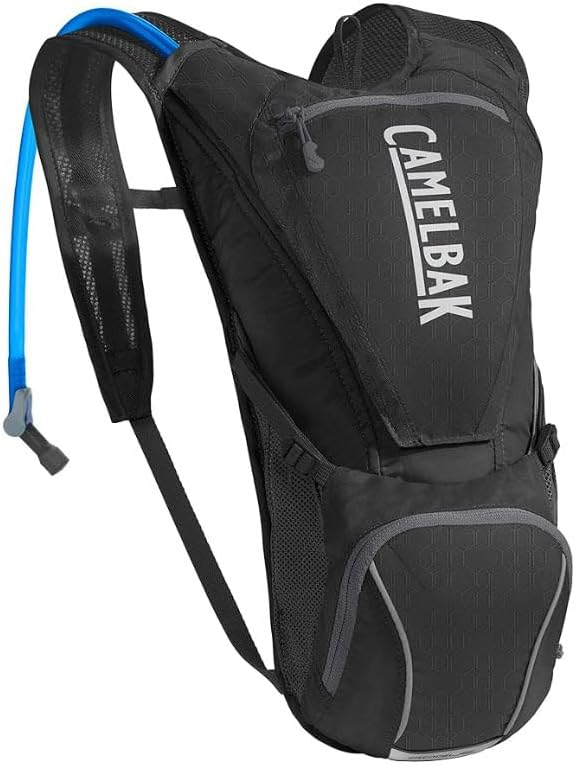
Teton Oasis/Trailrunner Hydration Backpack – Lightweight Water Pack with 2L/3L Bladder for Hiking, Running, Cycling, Biking 18L/22L Sizes – Sewn-in Rain Cover – Fits Men and Women
This is the pack people buy twice.
Visit on Amazon →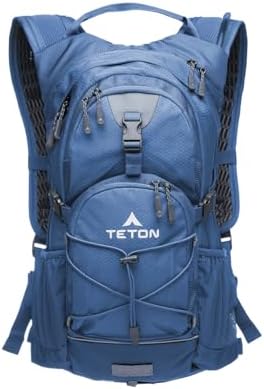
RealCool 20L Lightweight Hiking Backpack, Waterproof Daypack for Camping
The hiking backpack features a color-blocking design for a fashion-forward look, with multiple pockets and versatile compartments offering flexible storage solutions. Adjustable shoulder straps and a
Visit on Amazon →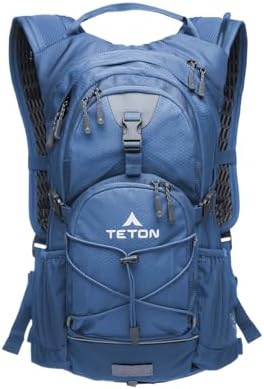
WATERFLY Hiking Backpack 20L, Lightweight Outdoor Daypack Water Resistant
Is this backpack really waterproof? Can I hike in heavy rain without a rain cover? The hiking backpack is water-resistant rather than fully waterproof. The fabric like nylon will handle light rain for
Visit on Amazon →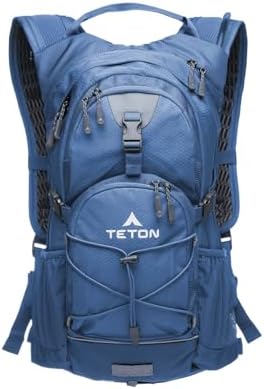
G4Free 20L Lightweight Packable Hiking Backpack for Women Men
This is the pack I throw in my car trunk for unexpected hikes.
Visit on Amazon →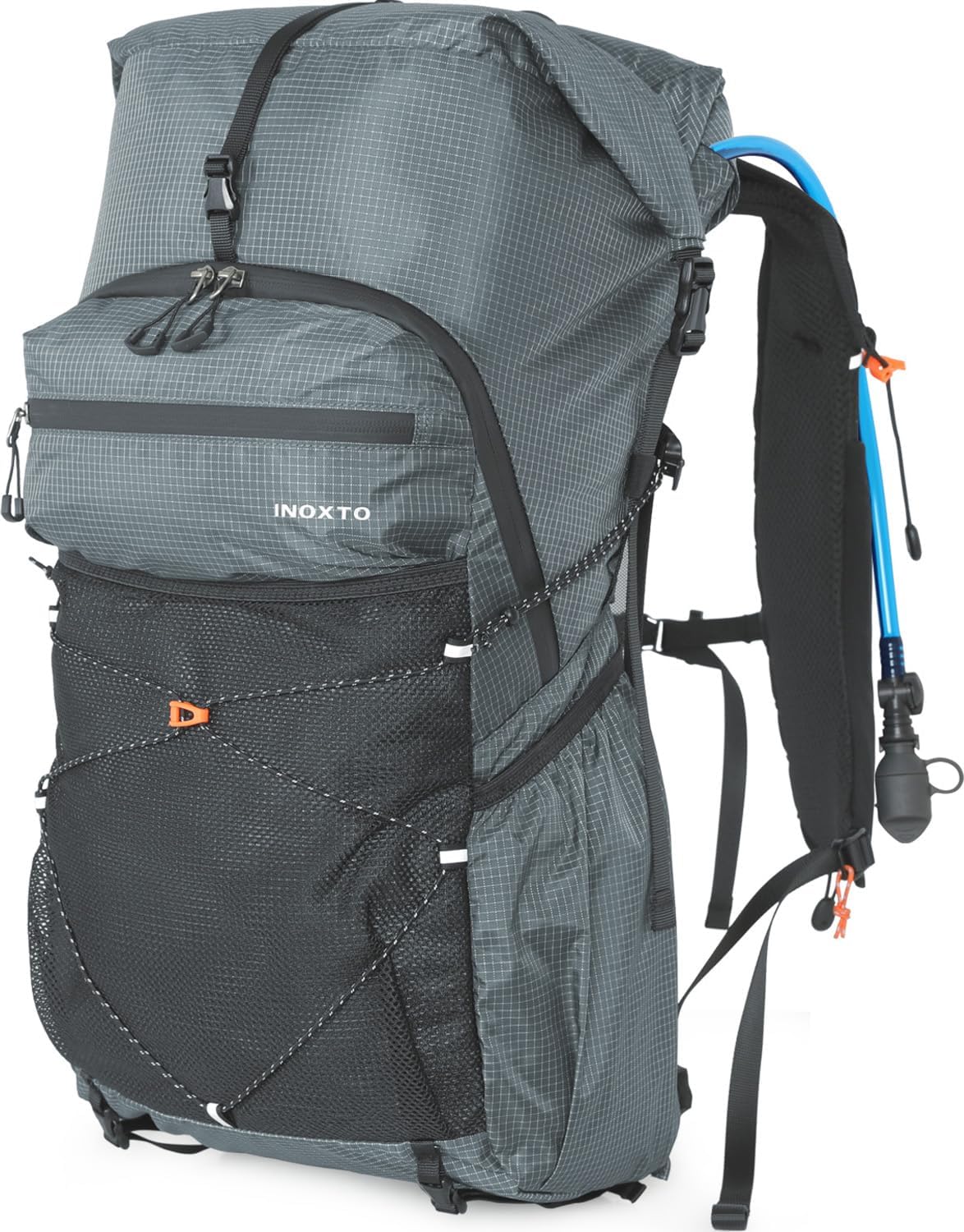
BECOJADDE 15L Small Hiking Backpack for Men Women Foldable Packable Back Pack Ultralight Hiking Daypack for Travel Camping Outdoor, Beige
Pack for Life, Move with Purpose. Hiking Backpack 15L Hiking Backpack 20L Running Vest Lightweight Occasion Hiking, Cycling, Jogging, Climbing, Daily Running Occasion Hiking, Cycling, Jogging, Climbin
Visit on Amazon →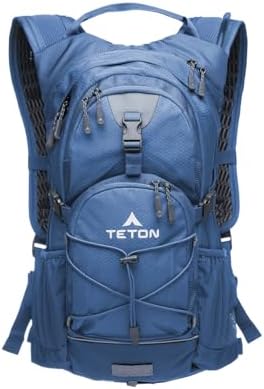
15L Small Hiking Backpack Travel Daypack Colorful Lightweight Packable Foldable Casual Backpack for Women Men
Quality pick in this category.
Visit on Amazon →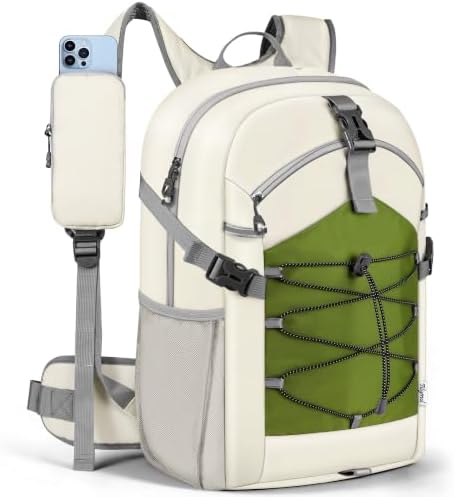
TILYMOL 30L Hiking Travel Backpack for Men Women with Hydration System
The hiking backpack features a color-blocking design for a fashion-forward look, with multiple pockets and versatile compartments offering flexible storage solutions. Adjustable shoulder straps and a
Visit on Amazon →How I Test
My process is boring and consistent. Every pack gets the same treatment: a loaded 10-mile hike, a hip belt transfer check, and a 30-day daily carry trial. I keep a grams-per-mile logbook. Yes, actually. It's nerdy, but it's how I know a pack is good: the numbers and the feel line up.
I also work part-time at an outdoor retail shop, mostly for the discount and the conversations. Customers walk in with questions they're too embarrassed to ask, like why their neck hurts after a two-mile walk. Nine times out of ten, the problem is the torso length or a missing hip belt.
The Real Difference: Hip Belts
Here's the thing nobody tells you on the spec sheet. A daypack is a bag with straps. A hiking backpack is a load-bearing system. The difference shows up at mile 8, when the weight has migrated from your hips to your shoulders.
One verified buyer, a Disney dad, carried 25 pounds of drinks and rain gear through all four Disney parks. He credited the waist belt and chest clip for saving his shoulders. That's the test. If a pack can handle four theme parks with 25 pounds, it can handle a trail.
I've had packs that felt fine in the store and miserable on trail. The store doesn't tell you anything. The trail does.
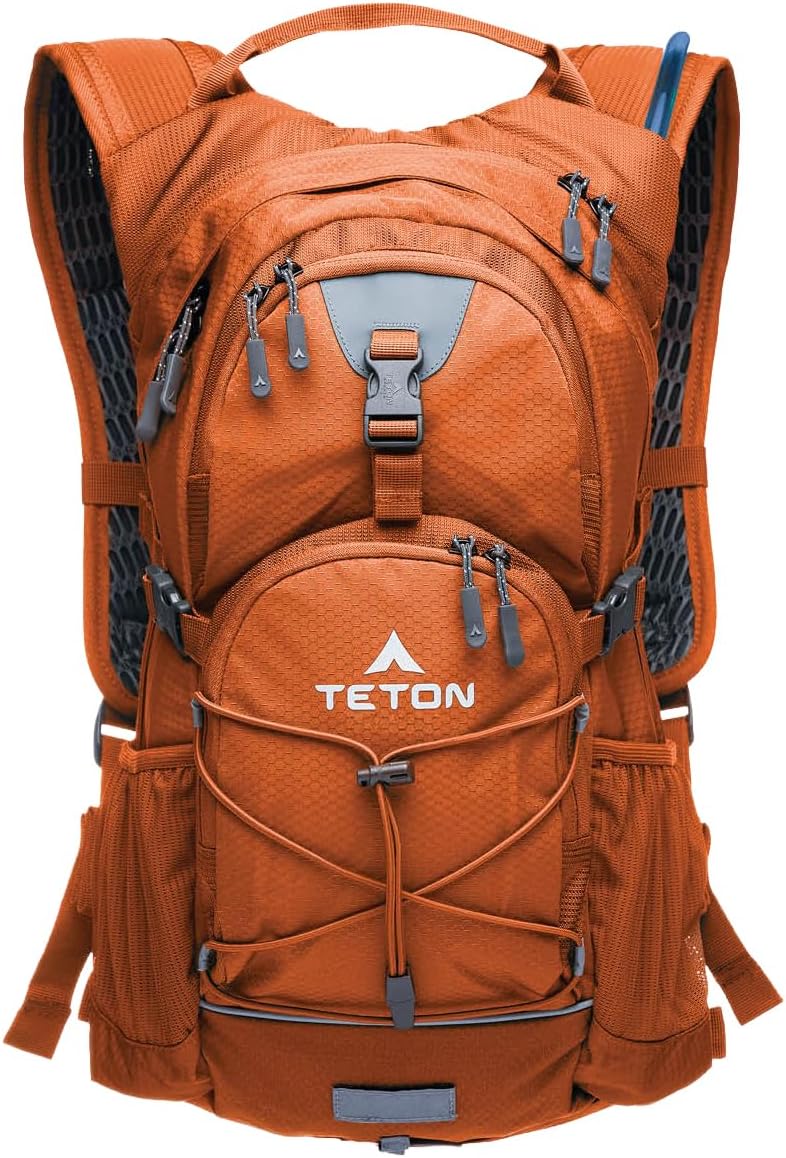
Teton Oasis / Trailrunner
This is the pack people buy twice. One owner had their first Teton stolen and bought the exact same one again. Their family tried it and everyone wanted their own. They now own three. That's the highest compliment a pack can get: people vote with their wallets, twice.
 Visit on Amazon →
The version I've been carrying for the last year is the Trailrunner. It's got a proper waist belt with actual pockets, which I call the built-in fanny packs. Getting my phone without taking the pack off is a quality-of-life feature I didn't know I needed until I had it.
Visit on Amazon →
The version I've been carrying for the last year is the Trailrunner. It's got a proper waist belt with actual pockets, which I call the built-in fanny packs. Getting my phone without taking the pack off is a quality-of-life feature I didn't know I needed until I had it.
Reviewers specifically call out the capacity, pocket layout, bladder quality, and strap fit. One reviewer, 5'3", 135 pounds, noted the straps fit her properly. That's the kind of specific body-type data I trust.
The bladder is solid. No leaks, good water flow, easy to fill. But there's a plastic-y taste initially, and the bladder is hard to dry after washing. It doesn't stand on its own, which is a small thing that becomes a big thing when you're trying to dry it in a hotel room. The fix is dish soap and two to three days of air drying, which is a known ritual.
At around ~$60, this pack has seen hard-core miles and it's still going. I'm super happy with how the waist belt distributes weight.
RealCool 20L
The zippers on this one are the first thing I noticed. They're not terrible, but they're not great either. After about six months of daily use, the main compartment zipper started catching fabric. It's the pattern I see over and over in this price range.
But here's the thing. For under ~$25, this pack does a lot right. It's got a decent pocket layout, the fabric has held up to hard use, and it's light enough that I forget I'm carrying it. I've used it for day hikes, gym sessions, and as a carry-on for a weekend trip.
The shoulder straps got a little cheeky on my shoulders when I loaded it with water and stuff for a 10-mile hike. That's the daypack problem in a nutshell. Without a real hip belt, the weight sits on your shoulders. For a 20L pack, that's acceptable if you're not carrying more than 10 or 12 pounds.
Choose this one if you need a cheap, light pack for short hikes and everyday carry. Skip it if you're planning anything overnight.
WATERFLY 20L
The WATERFLY is the pack I recommend to customers who want a daypack that handles a bit more abuse. The water resistance is real. I've been caught in a few summer thunderstorms with it, and the contents stayed dry.
The side pockets are the weak point. A 32-ounce metal bottle is virtually impossible to return to the pocket without taking the pack off. That's a real annoyance on trail. I've measured the pocket opening with calipers, and it's just too tight for wide bottles.
The zippers feel thin, which worries me for long-term durability. I've seen this pattern before: the fabric outlasts the zippers, and the pack dies from the closure, not the material.
For around ~$30, it's a decent value. The pocket layout is sensible, and the chest clip actually helps distribute weight. Just measure your water bottle before you buy.
G4Free 20L
This is the pack I throw in my car trunk for unexpected hikes. It's packable, which means it folds into its own pocket and takes up almost no space. That's a genuine feature, not a gimmick.
But the waist belt is basically decorative. It's a thin strap that does nothing to transfer weight. On a 6-mile hike with 15 pounds, my shoulders were feeling it by the end. The trail tells you in the first mile whether the pack fits, and this one tells you it's a daypack, not a hiking backpack.
For travel, it's great. I've used it as a personal item on flights and it fits under the seat. For a short day hike with minimal gear, it works. Just don't expect it to carry a load.
At ~$28, the price is right for what it is. Just know what it isn't.
The 15L Options (B0D6G1X43P,)
These two packs are in the same category: ultralight, packable, and small. The is the foldable one, and the is the colorful one. Both are under ~$25.
I tested the foldable one on a 4-mile hike with a light load. It was fine. The straps are thin, the back panel has no ventilation, and there's no structure to speak of. But for a pack that weighs under a pound and stuffs into a pouch, it does what it needs to do.
The colorful one is the same story with different aesthetics. If you want a pack that makes you smile and carries a rain jacket, a snack, and a water bottle, these work. If you're carrying anything heavier, you'll feel every ounce on your shoulders.
These are the packs I recommend for people who want to carry a pack "just in case." Not for actual hiking.
The 30L Option
The 30L is the odd one out in this lineup. It's bigger, heavier, and stiffer. The waterproofing is real, which is rare at this price point, but it comes at a cost. The pack doesn't compress well, and the stiff fabric makes it awkward when it's half-empty.
I carried this on a two-day section hike with about 18 pounds. The waist belt is actually functional, which puts it a step above the 20L options. But the extra capacity means you'll fill it, and then you're carrying more weight than you planned.
At around ~$40, it's a reasonable value for someone who wants to dip their toes into overnight trips without spending ~$200 on a premium pack. Just know that the extra capacity is a temptation to overpack.
Which One Do You Need?
Here's my honest bottom line.
If you're doing day hikes, gym sessions, and travel, a 20L daypack with a chest clip is enough. The RealCool and WATERFLY both work for this, and they're cheap enough to replace when the zippers die.
If you're planning overnight trips or carrying more than 15 pounds, you need a real hip belt. The Teton Oasis is the best value I've tested in this range. It's the pack I'd buy again, and the pack I recommend to customers who ask what they should get for their first real hiking backpack.
The 15L packs are for emergencies and plane trips, not trails.
And the 30L is for people who know they want to upgrade but aren't ready to spend premium prices.
I don't track prices day to day, so I won't pretend to know next week's. But I know what holds up at mile 8, and I know what doesn't. That's the test that matters.