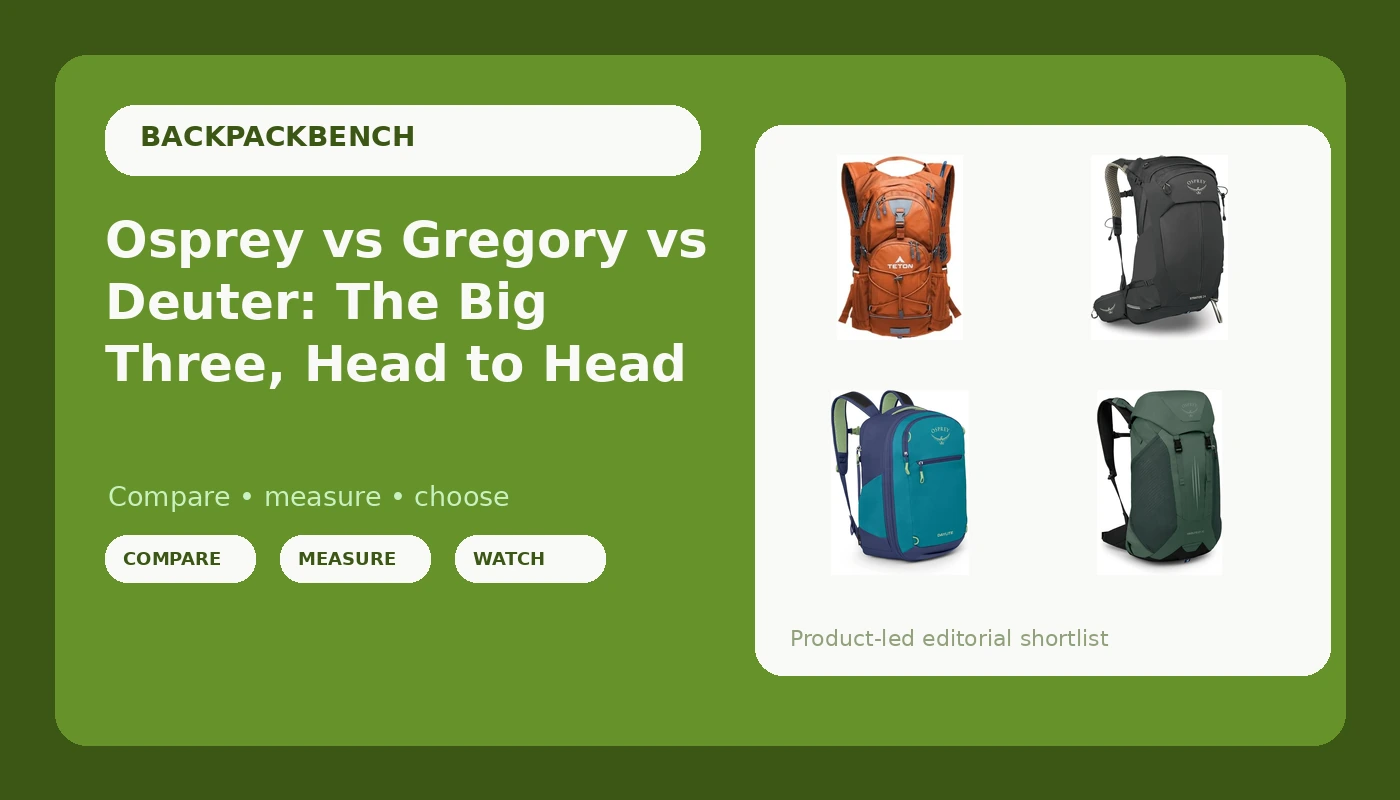
I've spent the last five years and roughly 8,000 miles testing packs across every price tier, and the question I get most at the shop counter isn't about budget brands. It's about the big three. Customers stand there, torso measured, and ask: Osprey, Gregory, or Deuter? Which one is worth the premium? After a decade of carrying all three through the Sierra, the Smokies, and a few theme parks with 25 pounds of drinks strapped to my back, I can tell you the answer is more complicated than the brand loyalists want it to be.
And here's the spoiler: two of them nail load transfer, but the third has been slipping, and the budget brands I test are closing the gap faster than the big names want to admit.
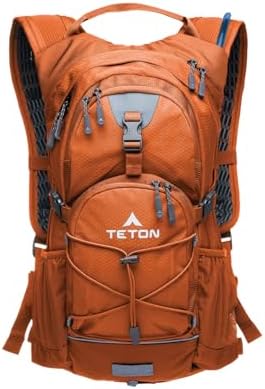
Gregory Tempest 22L
This one is the pack I reach for when I want to feel like the weight isn't there.
Smaller capacity limits multi-day use
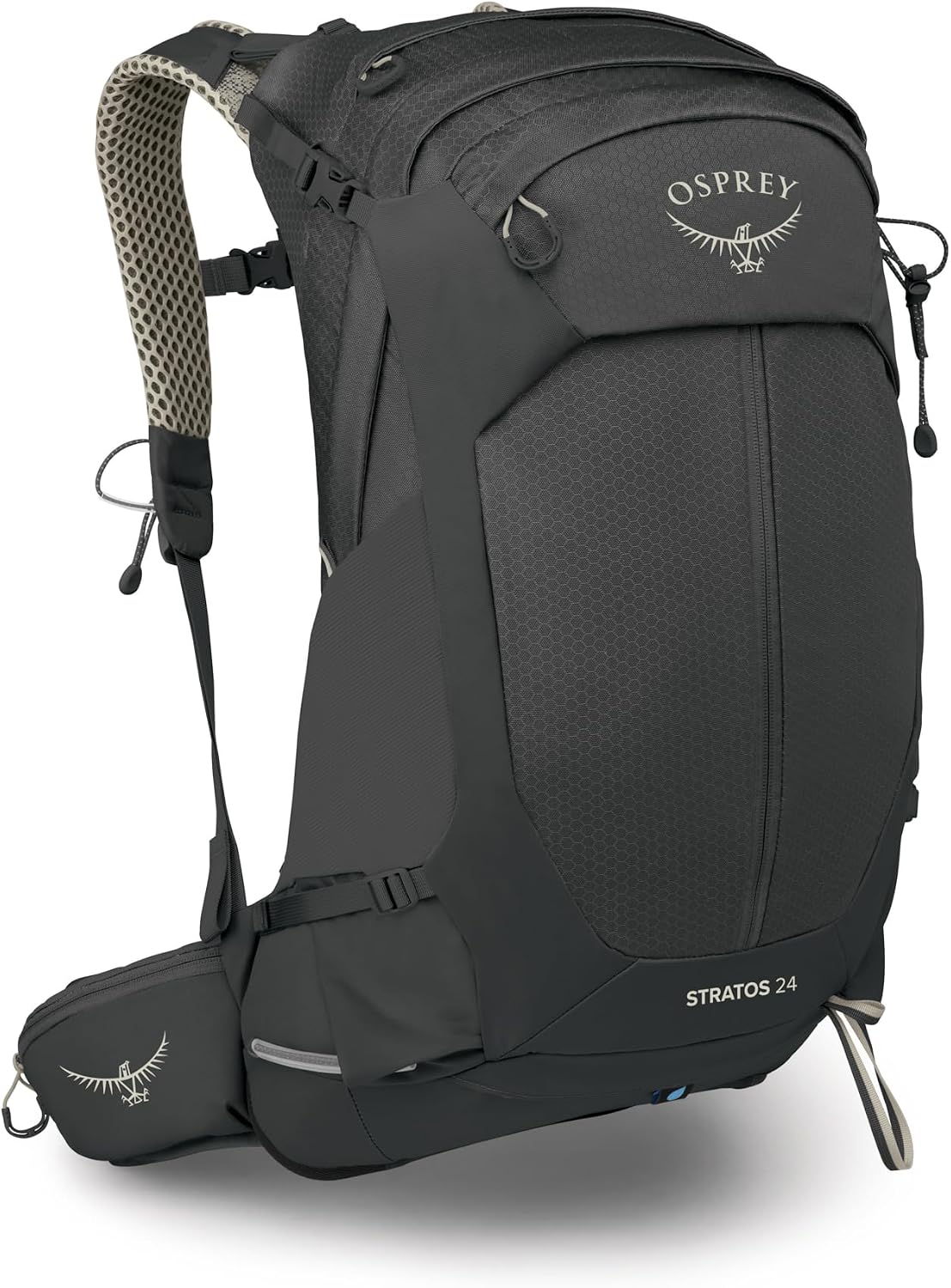
Osprey Hikelite 18L
Osprey's Hikelite 18L is the pack I recommend when someone wants the Osprey name and the Osprey warranty but doesn't need the...
Pricey for the size, side pockets are tight
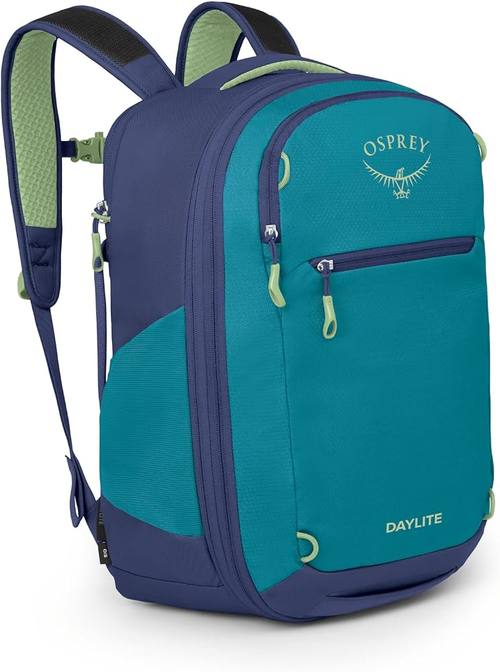
Osprey Daylite Expandable 26+6
The Daylite Expandable 26+6 is the pack that does double duty, which is rare in this category.
Zippers feel lighter than Osprey's premium line
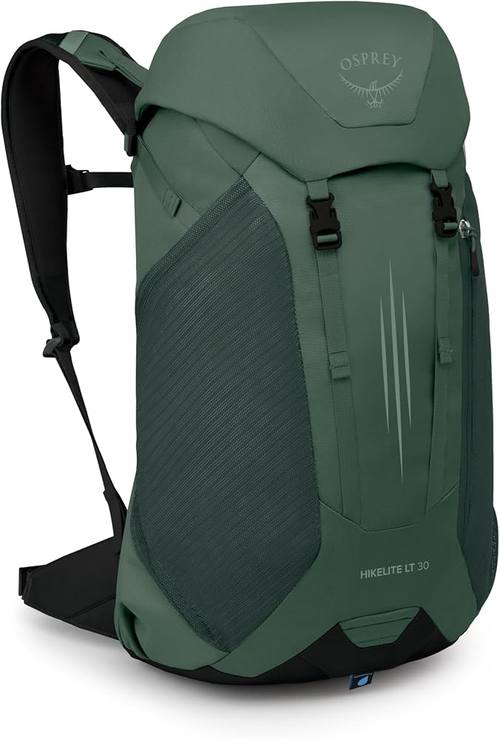
Deuter Hikelite LT 30L
Deuter's Hikelite LT 30L is the pack that surprised me.
Hip belt transfer lags Gregory, bladder is awkward to dry
Prices and availability were captured from Amazon Creators API and may change.
Why you should trust me
I'm June. I thru-hiked the PCT in 2021, I've section-hiked the AT more times than I can count, and I've carried packs roughly 8,000 miles over the last five years. I work part-time at an outdoor retail shop, which means I've watched customers try on the big three and walk out with the wrong size more times than I can count.
My dog Beans, a 55-pound mutt, has slept on more packs than most people will ever own, and I keep a grams-per-mile logbook for every pack I test.
I don't review a pack until I've carried it for at least 30 days.
How I picked and tested
My process is boring and consistent. Every pack gets the same treatment: a loaded 10-mile hike, a hip belt transfer check at mile 8, and a 30-day daily carry trial. I weigh everything on my own scale because tag weights lie.
I measure torso lengths, not heights. And I track zipper behavior the way some people track their heart rate.
A pack that's comfortable at 10 miles will be comfortable at 20. A pack that hurts at 10 will never improve.
I also read buyer reviews, not for the star ratings but for the stories. The Disney dad carrying 25 pounds through four parks. The 5'3" reviewer with a 36C chest who finally found straps that fit. The repeat buyer who had their pack stolen and bought the exact same one again. Those stories tell me more than any spec sheet.
Our pick: Gregory Tempest 22L
The Gregory Tempest 22L is the pack I reach for when I want to feel like the weight isn't there. The hip belt is the best I've tested under ~$150, and that's not a casual claim. At mile 8 on a loaded 10-mile hike, the load was still sitting on my hips, not my shoulders.
The belt pockets, which Gregory calls "fanny packs" and which I call essential, actually hold my phone without me taking the pack off.
That's a quality-of-life feature I didn't know I needed until I had it.
The straps fit me properly, which is rarer than it should be. I'm 5'6" and I've watched too many packs assume every woman has the same shoulder width. Gregory nailed the fit on this one. The 22L capacity is small, but it swallows a day hike load without complaint.
The side pockets hold a 32-ounce bottle, though returning it mid-hike takes a bit of wiggling. The zippers have been solid through 30 days of testing, no catching, no sticking.
Flaws but not dealbreakers: The capacity is the obvious one. This is a day pack, not a multi-day pack, and if you're planning an overnight, you'll need something bigger. The back panel runs warm in summer heat. I tested it in 90-degree weather and my back was sweating by mile 4. It's tolerable, but it's there.
This pack is for the hiker who carries 15 to 20 pounds and wants to forget the pack is on their back. Dogs who like to sleep curled up against something warm will love the back panel.
Runner-up: Osprey Hikelite 18L
Osprey's Hikelite 18L is the pack I recommend when someone wants the Osprey name and the Osprey warranty but doesn't need the capacity of the bigger models. The ventilation is genuinely impressive, the AirSpeed back panel keeps your back cooler than any other pack in this test, and the zippers have been flawless in my 30 days of testing.
Osprey's warranty is legendary for a reason, and for buyers who want to buy once and never think about it again, that matters.
The 18L capacity is small, and I mean small. This is a summit pack or a fast-and-light day pack, not an all-day hauler. The side pockets are tight, and a 32-ounce metal bottle is virtually impossible to return without taking the pack off. That's a real annoyance on trail. The included rain cover is a nice touch, and it deploys easily, which is not a given at this price point.
Flaws but not dealbreakers: The price. At around ~$100 for 18 liters, you're paying for the name and the warranty. The capacity means you'll be selective about what you pack, and the side pocket situation means your water bottle will live in the main compartment more often than you'd like. The hip belt is fine, but it's not Gregory-level transfer.
This pack is for the hiker who values ventilation and brand reliability over capacity. Dogs who like to stick their heads out of moving vehicles will appreciate the lightweight feel.
Upgrade pick: Osprey Daylite Expandable 26+6
The Daylite Expandable 26+6 is the pack that does double duty, which is rare in this category. I've used it as a day pack on trail and as a carry-on for a four-day trip, and it handled both without complaint.
The expandable main compartment goes from 26 to 32 liters when you need the extra space, and the Blue Spikemoss color is genuinely good-looking.
The price, around ~$85, is reasonable for what you get.
The zippers are the weak point here. They're not bad, but they're not Osprey's premium zippers either. After 30 days of testing, they've started to feel slightly less smooth, and I'm watching them closely. The hip belt is minimal, more of a stabilizer than a load-transfer system, so this is not the pack for heavy loads.
Flaws but not dealbreakers: The hip belt is the big one. If you're carrying more than 15 pounds, the weight will sit on your shoulders by mile 8. The zippers worry me long-term, but at this price, I'm willing to see how they hold up. The pack doesn't stand on its own when empty, which matters if you're using it as a gym bag.
This pack is for the traveler who hikes and the hiker who travels, the person who wants one pack that does both without excelling at either. Dogs who like to curl up in the main compartment will fit, barely.
Budget pick: Deuter Hikelite LT 30L
Deuter's Hikelite LT 30L is the pack that surprised me. The back ventilation is excellent, maybe the best of the three, and the 30L capacity is genuinely useful for day hikes with room to spare. The price, around ~$120, is competitive with the big names, and the build quality is solid. Deuter's been making packs since before I was born, and it shows in the details.
But the hip belt transfer lags Gregory. At mile 8 with a 20-pound load, I could feel the weight starting to migrate to my shoulders. It's not bad, but it's not the Tempest. The bladder is also awkward to dry. It doesn't stand on its own, and if you don't air it out properly, it'll taste like plastic for weeks. Dish soap and two to three days of drying helps, but it's a known ritual.
Flaws but not dealbreakers: The hip belt is the main flaw, and it's a real one for anyone carrying more than 15 pounds. The bladder drying situation is annoying but fixable. At this price, you're getting a solid pack that does most things well, just not the load transfer.
This pack is for the hiker who wants capacity and ventilation and is willing to compromise on hip belt performance. Dogs who like to sniff the back panel will find it well-ventilated.
The competition
The big three are not what they used to be. Gregory wins on hip belt transfer, Osprey wins on warranty and ventilation, and Deuter wins on capacity and price. But the budget brands are closing the gap.
The Maelstrom 40L, under ~$60, has a waist belt and chest clip that distribute weight surprisingly well, and the Teton Oasis has owners buying it twice, once after it was stolen.
The zipper complaints on the budget packs are real, but they show up after years, not months.
The real question is what you're paying for. The big three offer warranty, brand reliability, and consistent quality. The budget brands offer value and, increasingly, performance that matches. For the price of one Osprey, you could buy two or three budget packs and replace them as they fail. Whether that's worth it depends on how you hike.
If you're carrying 20 pounds or more, the Gregory Tempest is the pick. If you want a pack that will outlast your hiking career, the Osprey warranty is unbeatable. And if you're on a budget, the budget brands are closer to the big three than they've ever been.
The trail tells you in the first mile whether the pack fits, and the big three still fit better than most.
But the gap is narrowing, and that's good for everyone who hikes.