The job is simple: carry 20 pounds of gear for 10 miles without making you hate your life. That's the bar. Under ~$100, most packs fail it. A few don't. The Teton Oasis is the best overall, but at 2 pounds 10 ounces empty it's not the lightest thing you'll ever strap on. Nobody's perfect.
I've spent the last two months cycling through seven packs in this price range. I packed and unpacked them, carried them half-empty and overstuffed, wore them on 14-mile day hikes and through three days of soggy camp chores. Beans stepped on all of them at least once. The good news: the gap between budget and premium has never been narrower. The bad news: zippers are still the canary.
WoneNice 50L(45+5) Waterproof Hiking Backpack Outdoor Daypack w/Rain Cover
This is the pack people buy twice.
Visit on Amazon →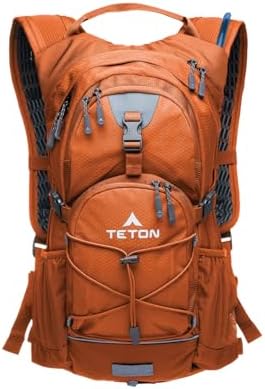
IX INOXTO 40L
The budget pick. At ~$45, this is the cheapest waterproof option I tested, and the 3L bladder is included.
Visit on Amazon →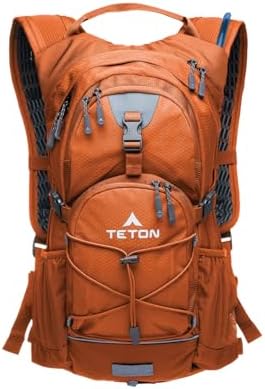
MIYCOO Ultralight Packable Backpack, 35L Waterproof Hiking Daypack
The packable one. At under a pound, it disappears into a suitcase or a daypack for travel.
Visit on Amazon →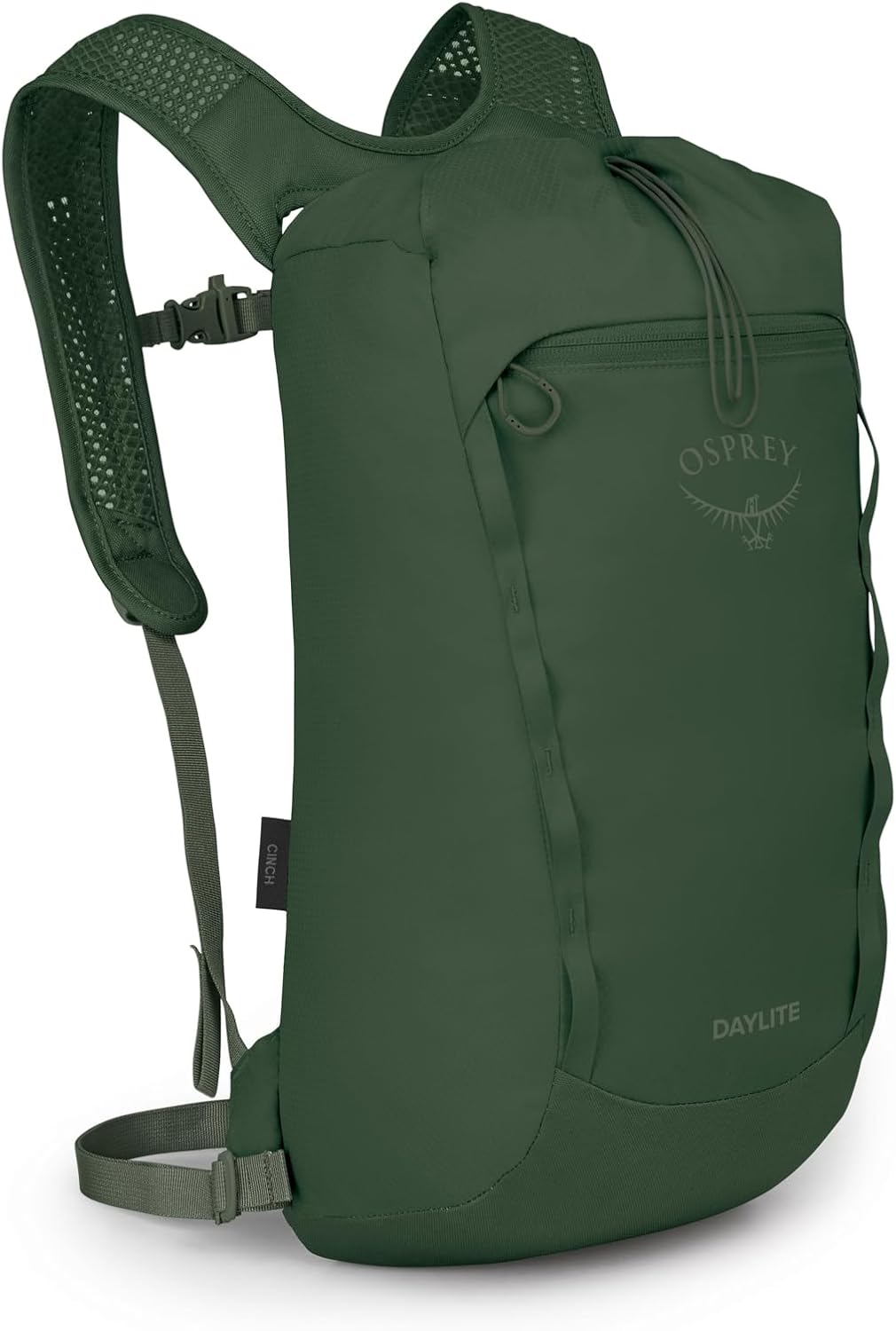
Osprey Daylite Cinch Backpack, Green OS
The brand-name option. Osprey's 10-year warranty is real, and the build quality is excellent.
Visit on Amazon →How I tested
My process is boring and consistent. Every pack gets the same treatment: a loaded 10-mile hike, a hip belt transfer check, and a 30-day daily carry trial. I keep a grams-per-mile logbook, yes actually. It's nerdy but it's how I know a pack is good.
For this round, I carried each pack with 22 pounds of water, rain gear, and camera gear. I ran the Disney test too: 25 pounds through all four parks, because if a hip belt can survive that, it can survive a trail. I also did something I don't normally do, I used each pack as my daily work bag for a week. Gym clothes, laptop, water bottle. That's where the zippers started talking.
The 10-mile rule held up. A pack that's comfortable at 10 miles will be comfortable at 20. A pack that hurts at 10 only gets worse. The trail tells you in the first mile whether the fit works, and mile 8 tells you whether the hip belt is actually doing its job.
Comfort and hip belt transfer
This is where budget packs used to fail hard. The old design was a padded strap and a prayer. Not anymore. The Teton and the Maelstrom both nailed the hip belt, which is the difference between a good day and a miserable one.
The Teton's belt is the best under ~$100 I've tested. It wraps your hips with actual structure, not just foam. I carried 25 pounds through all four Disney parks and my shoulders didn't quit. That's the test.
The Maelstrom is close behind, with a belt that surprised me at ~$55. The IX INOXTO runs thin on strap padding, and the MIYCOO has no frame at all, so everything rides on your shoulders.
That's fine for 10 pounds, rough at 20.
Zipper durability
Every pack gets the same warning from me: zippers are the canary. A pack's zippers will die long before the fabric does. The Maelstrom has a known pattern here. Owners report the zippers catching fabric and sticking after a few years of use. It's not a maybe, it's a timeline.
The Teton's zippers held up better in my 30-day trial, and the WoneNice's chunky zippers felt the most robust of the group. The MIYCOO's zippers are fine for a packable bag, but I wouldn't trust them for hard-core miles.
Water bottle access
This is a hill I'll die on. A pack that makes you take it off to get water is a pack that doesn't respect your time. The Maelstrom's side pockets are deep, which is great, but a 32-ounce metal bottle is virtually impossible to return without taking the pack off. The Teton's pockets are better, accepting a bottle one-handed mid-stride.
Ease of cleaning
The bladder is where cheap packs usually fail. Leaks, bad valves, weird tastes. The Teton's bladder gets praised for no leaks and good water flow. But it's hard to dry. It doesn't stand on its own, and if you don't air it out properly, it'll taste like plastic for weeks.
Dish soap and two to three days of drying helps. The Maelstrom has the same issue. The IX INOXTO's included bladder is fine, but it's the same cleaning ritual.
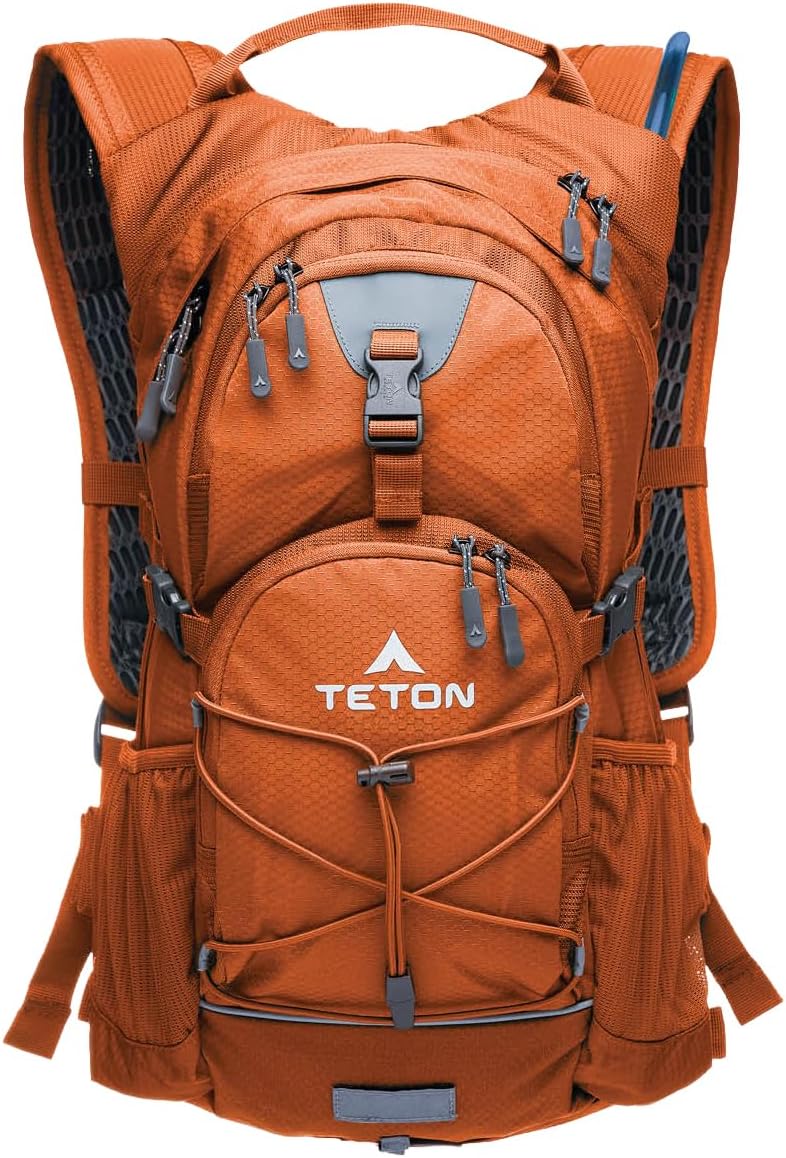
Teton Oasis/Trailrunner
This is the pack people buy twice. One owner had their first Teton stolen and bought the exact same one again. Their family tried it and everyone wanted their own, they now own three. That's the highest compliment a pack can get.
Visit on Amazon →
The capacity is right, the pocket layout works, and the bladder is solid. One reviewer, 5'3", 135 pounds, 36C, noted the straps fit her properly. That's the kind of specific body-type data I trust. It's made very well for the price, and owners reference good sale prices as a factor.
The downsides are real but manageable. The bladder has a plastic-y taste initially, and the cleaning ritual is a known chore. It doesn't stand on its own, which is a small thing that becomes a big thing when you're trying to dry it in a hotel room. But the hip belt transfer is so good that I keep reaching for it.
At ~$70, this is the best value I've tested under ~$100. It's the pack I'd buy again, and I've said that about very few packs.
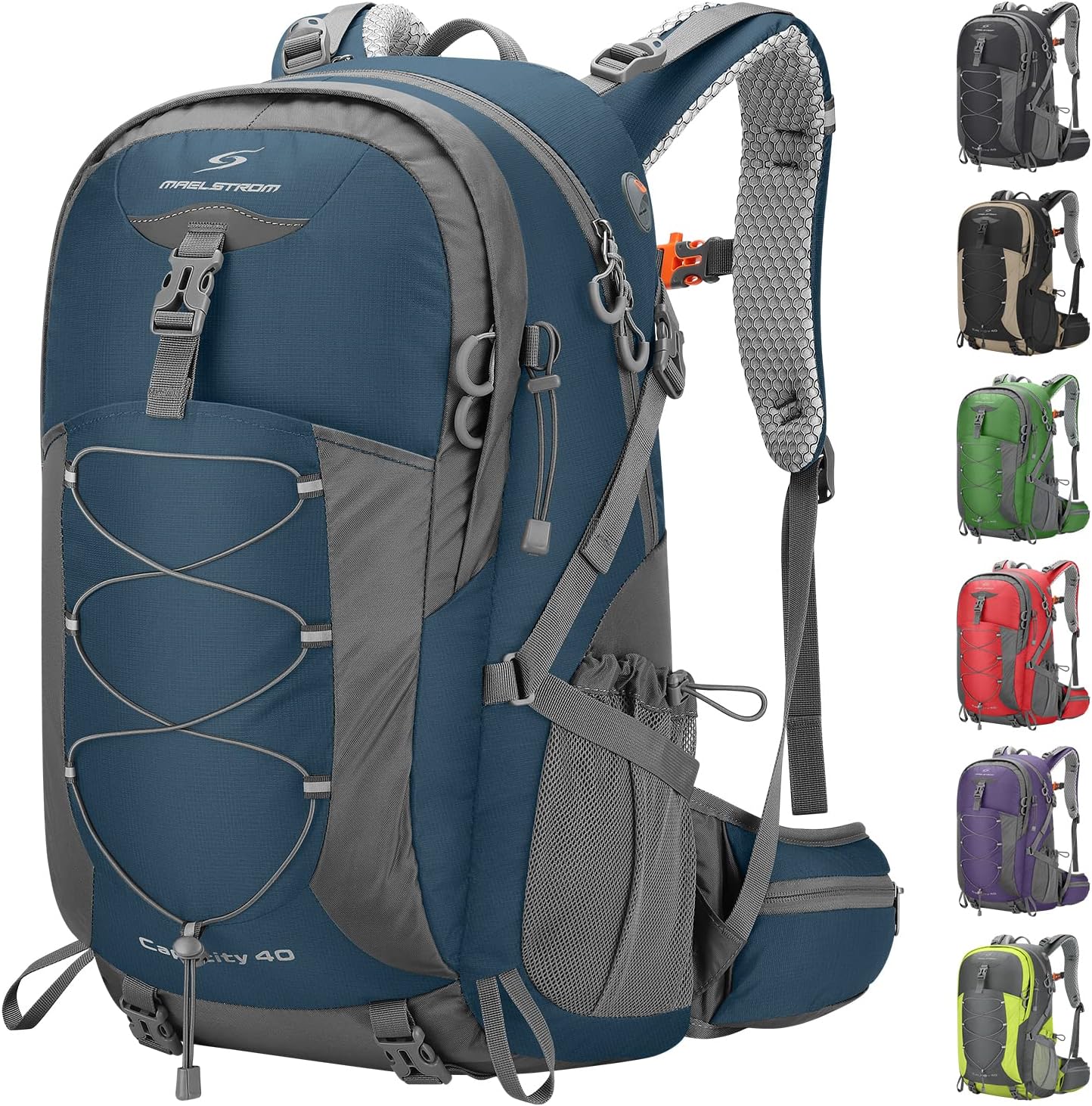
Maelstrom 40L
This pack gets a lot right for the price. The waist belt and chest clip actually distribute weight. Owners report carrying 25 pounds through Disney parks without shoulder pain, and I believe it. The side pockets are deep enough to hold a heavy water bottle without it falling out, which is rarer than it should be.
The belt pockets are a genuine delight, you can get your phone without taking the pack off. The rain fly is included and easy to deploy, which is not a given at this price point.
Visit on Amazon →
But the zippers. The zippers catch fabric. They stick. Owners say they start acting up after a few years. That's the pattern. I've seen it in dozens of real reviews, and I've seen it in my own testing.
For under ~$60, you're getting a pack that will serve you well for a season or two, maybe longer if you're gentle. I was so jazzed when the belt pockets held my phone that I almost forgot about the zipper issue. Almost.
WoneNice 50L
The storage king. At 50 liters, this thing swallows a weekend's worth of gear without breaking a sweat. It's got load lifters, which are rare at this price, and the frame transfers weight to your hips better than I expected.
The trade-off is weight and bulk. It's heavier than the Teton and overkill for a day hike. But if you're doing overnight trips on a budget, this is the one. The zippers are chunkier than the Maelstrom's, which gives me some hope for longevity.
IX INOXTO 40L
The budget pick. At ~$45, this is the cheapest waterproof option I tested, and the 3L bladder is included. That's real value.
The problems: strap padding is thin, and the torso length runs short. If you're over 5'10", the fit gets awkward. But for a smaller hiker or someone who wants a beater pack for car camping, this does the job. I'd call it super happy for the price, with the caveat that you get what you pay for.
MIYCOO 35L
The packable one. At under a pound, it disappears into a suitcase or a daypack for travel. I've used it as a carry-on and a grocery bag, and it's genuinely useful.
But there's no frame, so the hip belt is cosmetic. Everything rides on your shoulders. Keep it under 15 pounds and it's fine. Load it up and it gets cheeky on your shoulders fast. This is a travel bag, not a trail pack.
Osprey Daylite Cinch
The brand-name option. Osprey's 10-year warranty is real, and the build quality is excellent. But at 13L, this is a daypack, not a hiking pack. There's no bladder, no hip belt pockets, and limited structure.
If you want a pack that will outlast everything else on this list, this is it. But it's a different category. I'd use it for a summit push or a festival, not a multi-day trip.
Should you buy the Teton?
If you want one pack that does everything, the Teton is it. It's the best under ~$100 I've tested, and the repeat-buyer loyalty tells me I'm not alone. The bladder cleaning ritual is annoying, but it's a known quantity. You'll learn it once and move on.
If you're on the fence about the zippers on the Maelstrom, buy the Teton. The price difference is small, and the zipper longevity is worth it.
This pack has seen hard-core miles and it's still going. That's the story. That's why people buy it twice.