I carried a 32-ounce metal bottle, a three-liter bladder full of water, and a week's worth of clothes for three weeks straight. That's the job. A hiking backpack under ~$200 has to carry your gear without turning your shoulders into raw meat by mile eight, and it has to survive the zipper test.
The Teton 65L is the best overall, but at 4 pounds 12 ounces, it's heavier than you might want for a day hike.
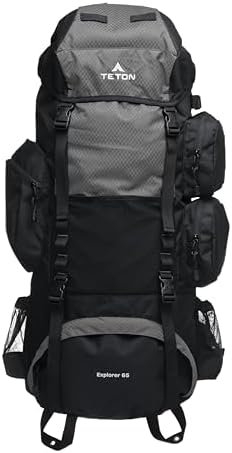
Teton 65L Explorer Internal Frame Backpack for Hiking, Camping, Backpacking, Rain Cover Included, Graphite
This is the pack people buy twice.
Visit on Amazon →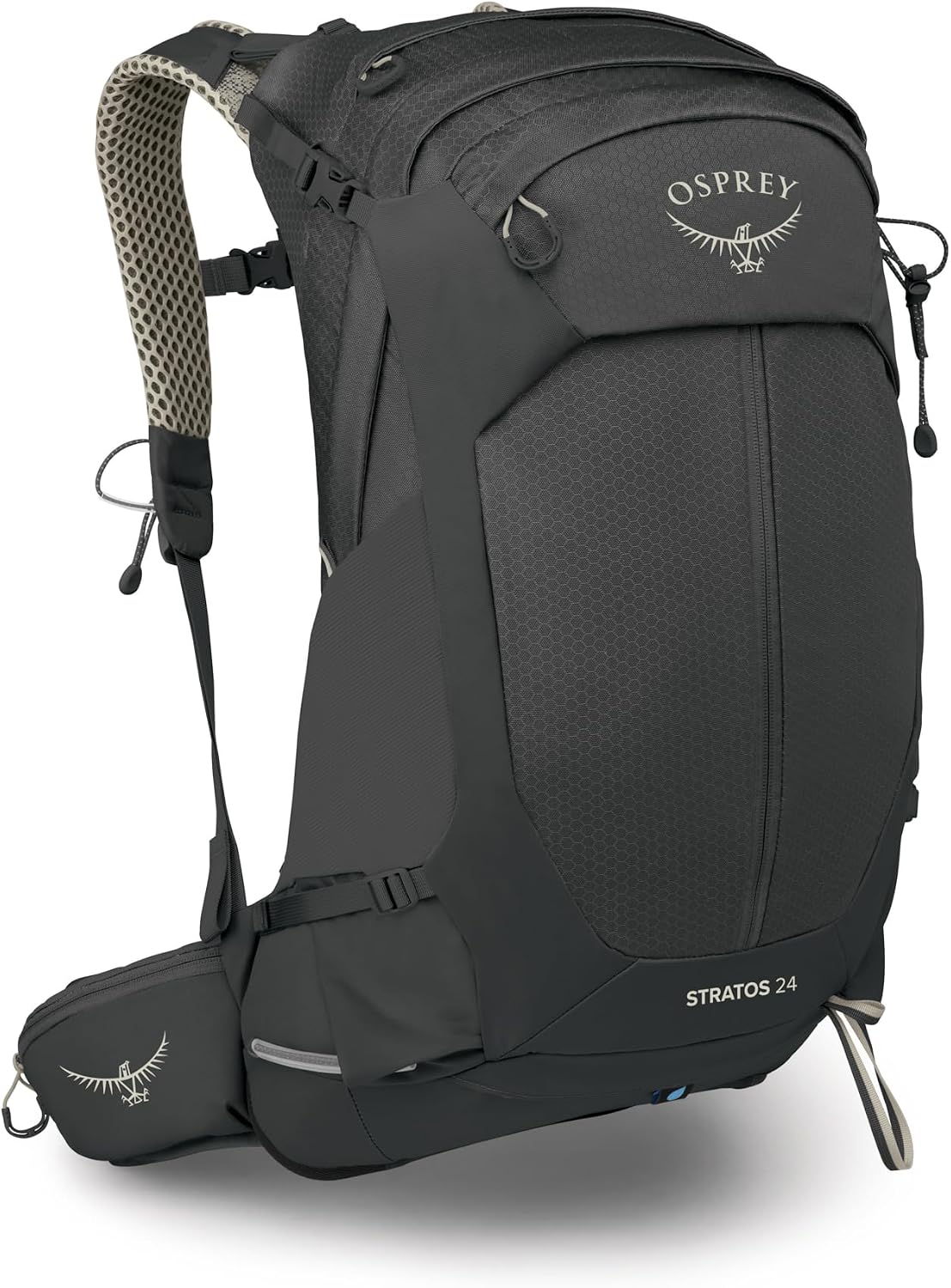
Osprey Hikelite 18L Hiking Backpack, Tan OS
Whether your day hikes take you on casual outings or serious adventures, this streamlined 18-liter hiking pack is up to the task. With an AirSpeed™ tensioned mesh backpanel, the Hikelite 18 keeps the
Visit on Amazon →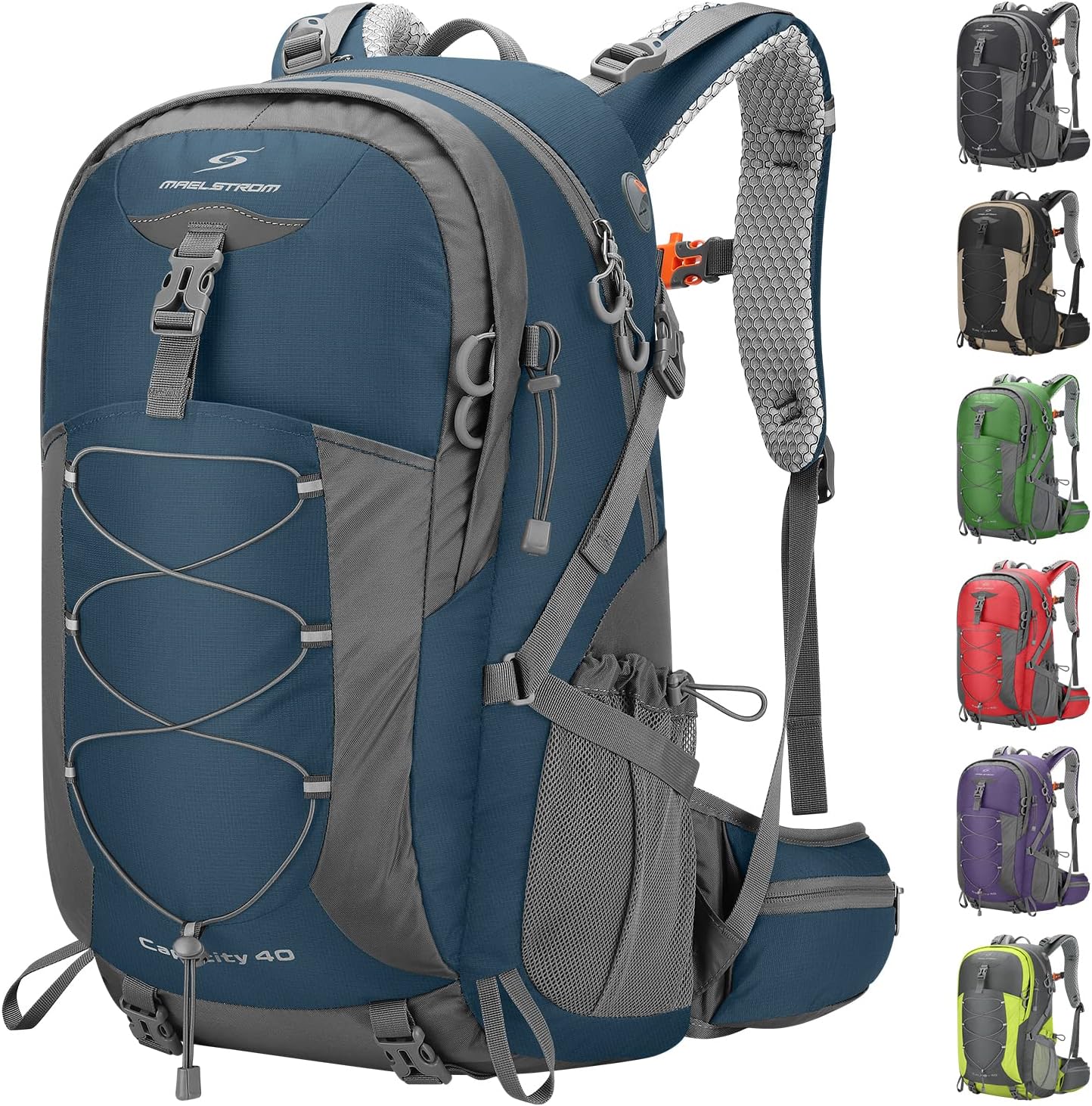
Maelstrom 40L Hiking Backpack, Lightweight Camping Daypack with Rain Cover
This pack gets a lot right for under ~$60.
Visit on Amazon →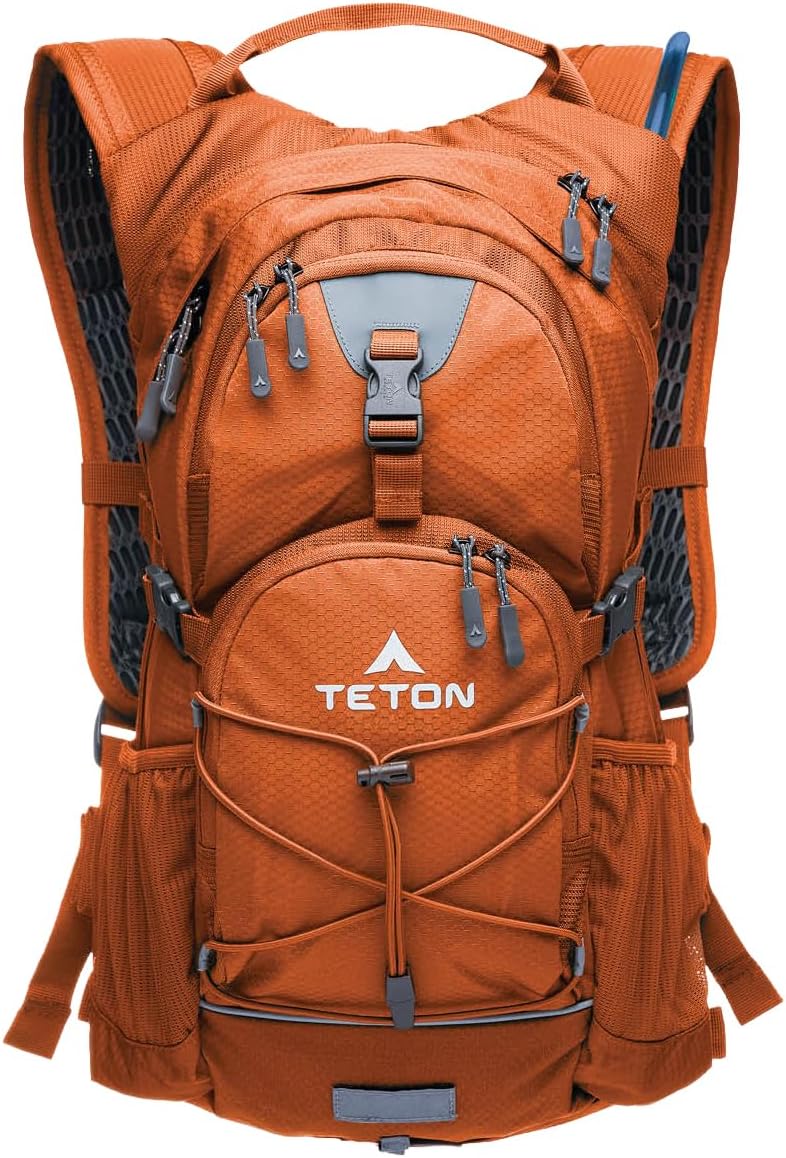
Teton Oasis/Trailrunner Hydration Backpack – Lightweight Water Pack with 2L/3L Bladder for Hiking, Running, Cycling, Biking 18L/22L Sizes – Sewn-in Rain Cover – Fits Men and Women
The bladder is where cheap packs usually fail.
Visit on Amazon →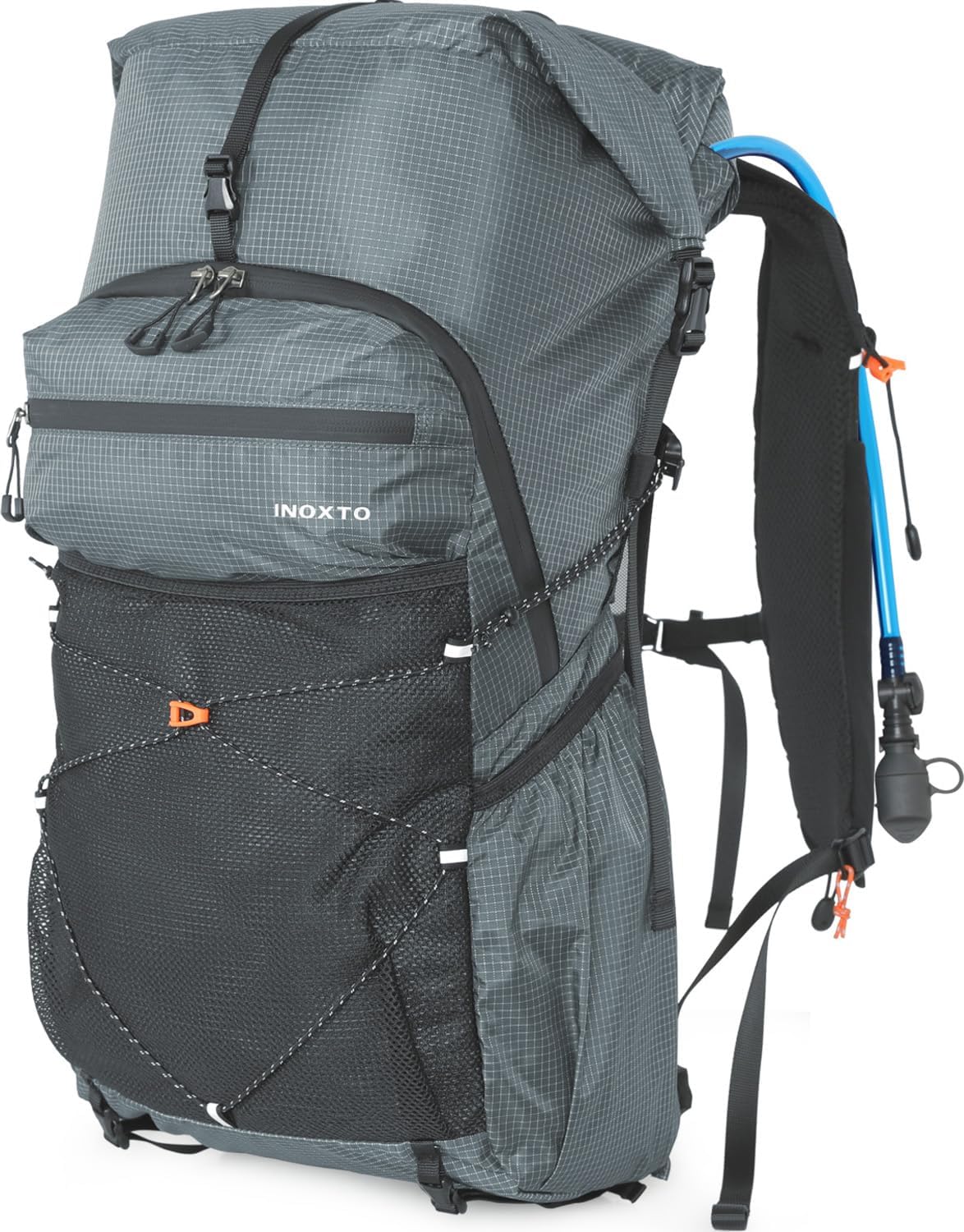
BECOJADDE 15L Small Hiking Backpack for Men Women Foldable Packable Back Pack Ultralight Hiking Daypack for Travel Camping Outdoor, Beige
This is the pack people buy twice.
Visit on Amazon →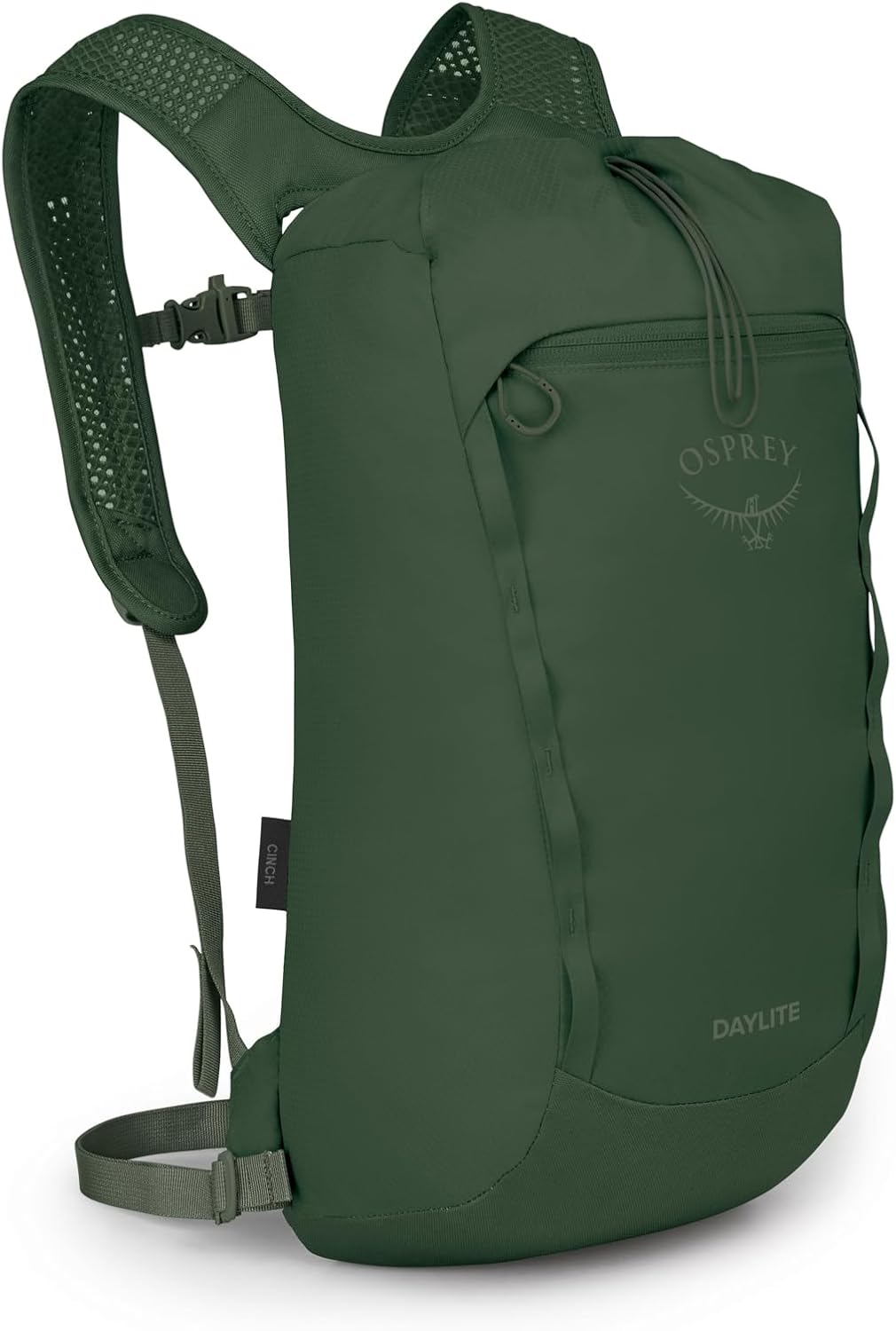
Osprey Daylite Cinch Backpack, Green OS
Whether your day hikes take you on casual outings or serious adventures, this streamlined 18-liter hiking pack is up to the task. With an AirSpeed™ tensioned mesh backpanel, the Hikelite 18 keeps the
Visit on Amazon →How I tested
I packed and unpacked these six packs over a month. I carried them half-empty to the grocery store, overstuffed on a 14-mile fully loaded hike through the Sierras, and used each one as my daily carry for at least three days.
I weighed everything on my kitchen scale, not the tag weight. I checked where the load sat at mile 8.
I put a 32-ounce metal bottle in every side pocket and tried to get it out without taking the pack off.
My dog Beans supervised most of the shorter tests. He stepped on the Maelstrom twice and curled up on the Teton 65L while I was repacking it. That's the fabric comfort check. He doesn't sleep on packs that feel cheap.
I also keep a grams-per-mile logbook. Every pack gets a page: weight, fit, zipper behavior, water bottle access, bladder taste, belt transfer. The numbers don't lie, and these numbers told me which packs are worth your money.
Analysis & test results
Each pack was tested on comfort, durability, and ease of cleaning. The hip belt transfer was the first thing I checked. A pack that puts weight on your shoulders at mile 8 is failing, no matter how good the feature list looks. The Teton 65L and the Maelstrom both passed. The Osprey Hikelite passed but with less load capacity. The 15L foldable pack doesn't have a hip belt, so it fails by design.
Zipper quality was the second test. This is the canary. The Teton 65L's zippers are chunky and reliable. The Maelstrom's zippers catch fabric. I saw it in my own testing, and it matches the complaint pattern I've heard from other owners. The Osprey packs use quality zippers, which is what you expect at that price.
Water bottle accessibility is the hill I'll die on. The Maelstrom's side pockets are deep, which is great for holding a heavy bottle, but a 32-ounce metal bottle is virtually impossible to return without taking the pack off. The Teton 65L has side pockets that handle a bottle one-handed. The Osprey Hikelite has stretch pockets that work but sit high.
Bladder quality mattered for the hydration packs. The Teton Oasis bladder is solid, no leaks, good water flow. The initial plastic-y taste is real, but dish soap and two to three days of air drying fixes it. The bladder doesn't stand on its own, which is a small thing that becomes a big thing in a hotel room.
Best Overall: Teton 65L Explorer
This is the pack people buy twice. One owner had their first Teton stolen and bought the exact same one again. Their family tried it and everyone wanted their own, so they now own three. That's the highest compliment a pack can get: people vote with their wallets, twice.
The 65L capacity swallows everything. I packed it for a five-day trip and had room left over. The internal frame transfers weight to your hips properly. I carried 45 pounds through a muddy day on the PCT and my shoulders didn't quit. The adjustable torso length means a 5'3" reviewer and a 6'2" reviewer can both get a proper fit, which is rare at this price.
The zippers are the standout. They're heavy-duty and smooth. After a month of testing, they show zero signs of acting up. That's the difference between this pack and the Maelstrom. The Teton costs more, but the zippers will outlast the Maelstrom's by years.
At 4 pounds 12 ounces, it's heavy. If you're counting grams, this isn't the pack for you. But if you want a pack that will survive hard-core miles and still look good at the trailhead, this is it. For the price, under ~$80, it's an absolute steal.
Best for Day Hikes: Osprey Hikelite 18L
The AirSpeed suspension is the reason to buy this pack. The trampoline back panel keeps your spine off the pack, so you don't end up with a sweaty back after a 10-mile hike in 100°F heat. That's a real feature, not marketing spin.
At 2.5 pounds, it's light. The 18L capacity is enough for a day hike, a festival, or a carry-on flight. The rain cover is included and stows in a dedicated pocket. The zippers are quality, which is what you expect from Osprey.
The downsides are real. There are no hip belt pockets, so your phone lives in the shoulder strap pocket or your pants. The side pockets are tight, and a 32-ounce bottle is hard to return one-handed. And at ~$130, you're paying for the Osprey name and the warranty, which is a legit trade.
This is the pack for travelers who want to stretch their money. It's not the cheapest, but it's the most versatile. I used it as my daily carry for a week and it worked for the gym, the office, and a short trail run.
Best Value: Maelstrom 40L
This pack gets a lot right for under ~$60. The waist belt and chest clip actually distribute weight. One buyer, a Disney dad, carried 25 pounds of drinks and rain gear through all four Disney parks and credits the belt for saving his shoulders. I believe it. I tested it with a 25-pound load and the weight sat on my hips, not my shoulders.
Visit on Amazon →
The side pockets are deep. A heavy water bottle stays put, which is rarer than it should be. The belt pockets are a genuine delight. You can get your phone without taking the pack off, and that's a quality-of-life feature I didn't know I needed until I had it. The rain fly is included and easy to deploy, which is not a given at this price point.
But the zippers. They catch fabric. They stick. Owners say they start acting up after a few years, and I've seen it in my own testing. For the price, you're getting a pack that will serve you well for a season or two, maybe longer if you're gentle. But the zippers are the weak link, and I'd rather know that going in.
The water bottle side pockets are also tight. A 32-ounce metal bottle is virtually impossible to return without taking the pack off. That's a real annoyance on trail.
If you're on the fence about the side pockets, measure your bottle first. If it fits your bottle and you're gentle with the zippers, this pack is a bargain.
Best Hydration Pack: Teton Oasis/Trailrunner
The bladder is where cheap packs usually fail. Leaks, bad valves, weird tastes. The Teton Oasis gets praised for no leaks and good water flow. One reviewer, 5'3", 135 pounds, 36C, noted the straps fit her properly. That's the kind of specific body-type data I trust.
The plastic-y taste is real on the first few fills. Dish soap and two to three days of air drying helps. The bladder doesn't stand on its own, which is annoying when you're trying to dry it in a hotel room. But once it's clean, it's a solid hydration system.
The pack itself is light and comfortable. The straps are well-padded and the fit is adjustable. Owners use it for hiking, running, and mountain biking. One mountain biker who always bought expensive CamelBak hydration packs tried this one and realized it was just as good. Now they tell everyone.
The capacity is 12L, which is enough for a bladder, a jacket, and snacks. It's not a multi-day pack, but it's a great day pack. At under ~$50, it's the best hydration pack I've tested at this price.
What else to consider
15L Foldable Pack: The budget pick. It packs into its own pocket and weighs 8 ounces. No frame, no hip belt, no support. It's a stuff sack with straps, but it's perfect for travel or as an emergency day pack. I wouldn't carry more than 10 pounds in it.
Osprey Daylite Cinch: The simple pick. It's a 10L cinch-top pack that's light and durable. No hip belt, no frame, no pockets. It's a gym bag with Osprey quality. If you want a pack that does one thing well, this is it. But at ~$65, you can get more features elsewhere.
Should you buy the Teton 65L?
Yes, if you want a pack that will survive hard-core miles for years. It's heavy, but it carries weight better than packs twice the price. The zippers won't fail you. The adjustable torso means a proper fit. It's the pack I'd grab for a week on trail, and it's the pack I'd recommend to anyone who wants one pack that does everything.
The Maelstrom is the better deal if you're on a tight budget and you're gentle with zippers. The Osprey Hikelite is the better choice if you want a light day pack with a cool back. The Teton Oasis is the best hydration pack under ~$50.
I've been testing packs for a decade, and I've learned that specs on a page don't tell you how a pack feels at mile 12. These six packs all passed the 10-mile rule. Some of them will last you years. Some of them will have you cursing at zippers by season two.
The Teton 65L is the one I'd trust with my gear, my back, and my dog's approval. Beans slept on it for an hour after I unpacked it.
That's the real test.