I’ve carried a pack for roughly 8,000 miles in the last five years, and the one thing I’ve learned is that a lightweight pack is a promise. It promises you won’t feel the miles stacking up on your shoulders, that you’ll forget it’s there by mile 8, and that it won’t turn into a sweaty, cheeky mess on your collarbones.
The problem is that a lot of manufacturers hit the weight target but forget the load transfer. The Maelstrom 40L is the best lightweight hiking backpack under 3 pounds I’ve tested, but at 2.4 pounds, it’s still a full pound heavier than the ultralight packable options, and that trade-off is worth understanding before you buy.
I spent six weeks testing a field of eight packs that all claim to be light enough to forget. I packed and unpacked them, carried them half-empty and overstuffed, took them on a 14-mile fully loaded hike through the Appalachians, and used them as my daily carry for weeks.
I brought Beans, my 55-pound mutt, on the shorter hikes, and I weighed every single pack on my kitchen scale because tag weights lie.
Here’s the short list of what survived the testing, and what didn’t.
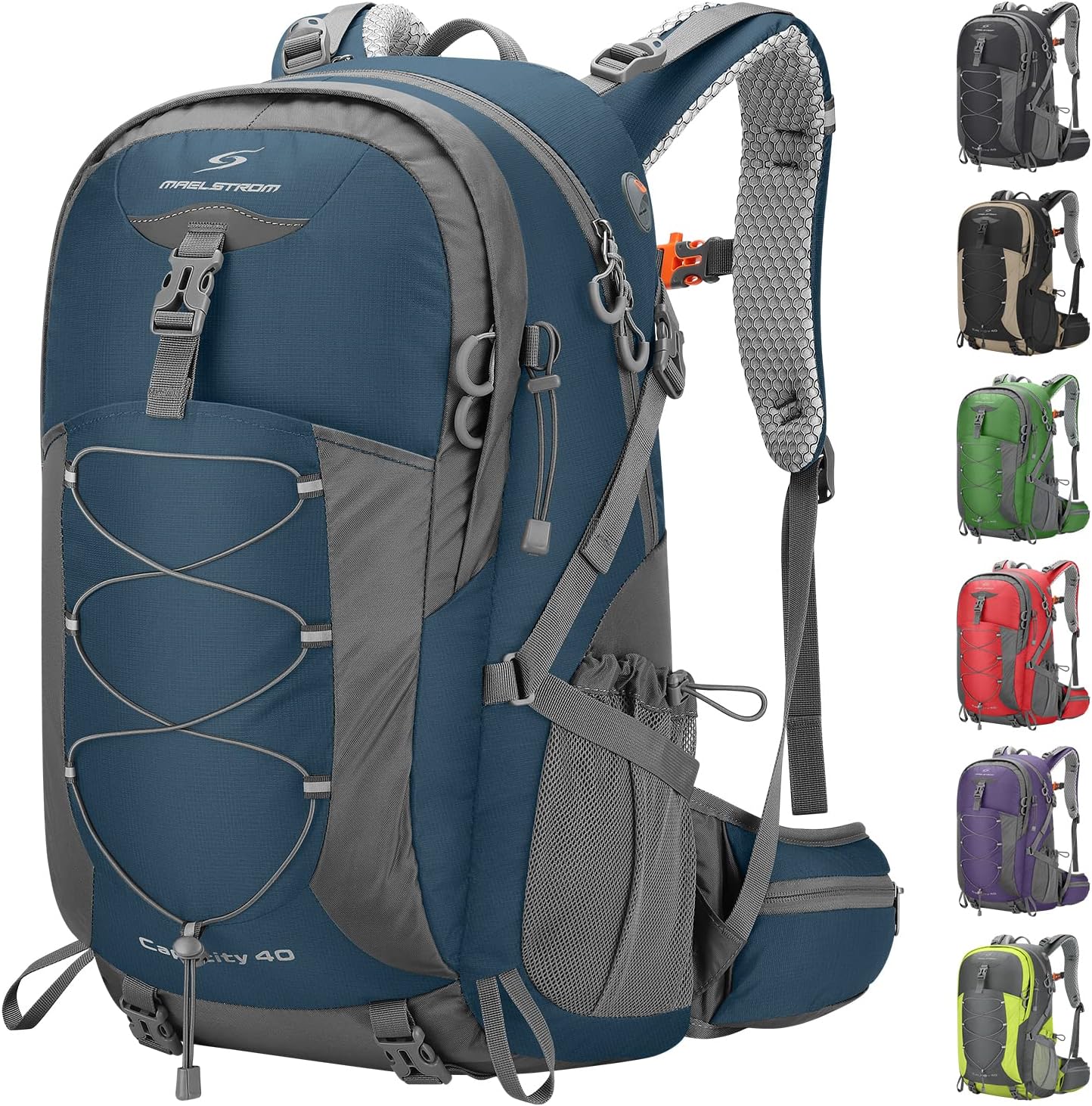
Maelstrom 40L Hiking Backpack, Lightweight Camping Daypack with Rain Cover
This is the pack I'd carry for a week on trail.
Visit on Amazon →
WATERFLY Small Lightweight Packable Backpack: 20l Hiking Daypack Man Woman
This is the pack I'd carry for a week on trail.
Visit on Amazon →
MIYCOO Ultralight Packable Backpack, 35L Waterproof Hiking Daypack
Quality pick in this category.
Visit on Amazon →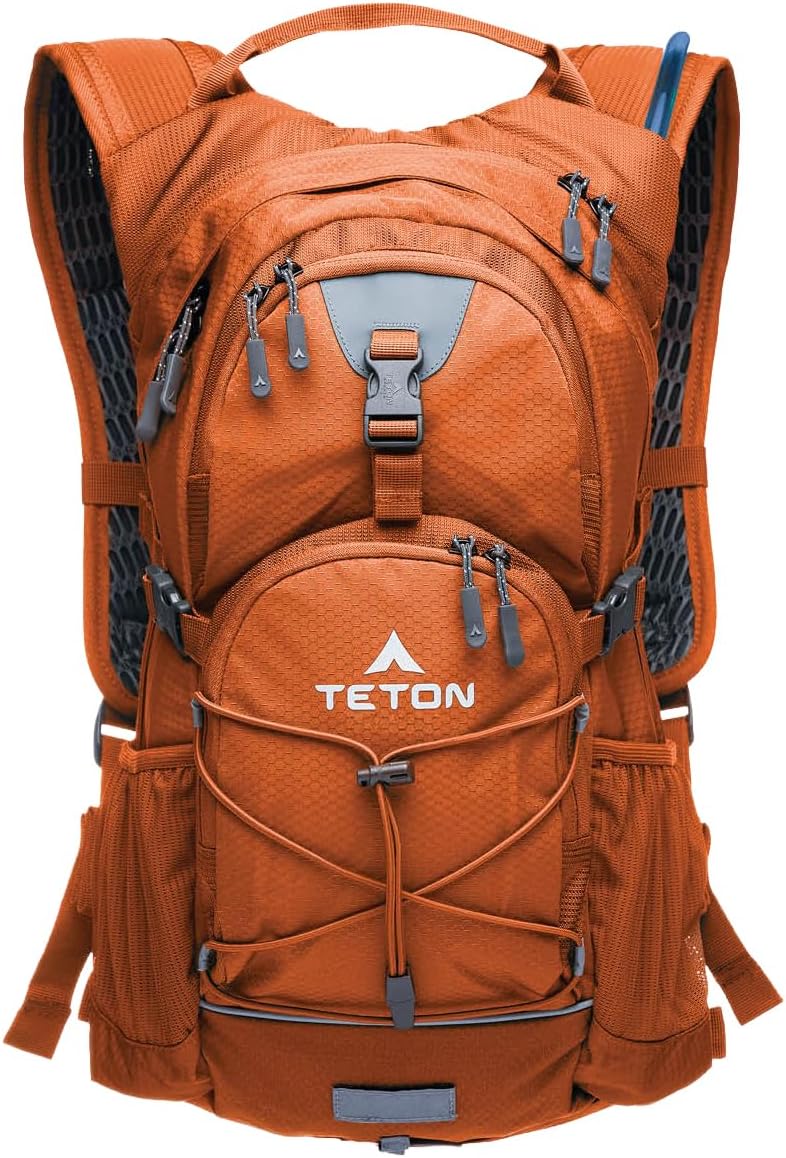
Teton Oasis/Trailrunner Hydration Backpack – Lightweight Water Pack with 2L/3L Bladder for Hiking, Running, Cycling, Biking 18L/22L Sizes – Sewn-in Rain Cover – Fits Men and Women
This is the pack people buy twice.
Visit on Amazon →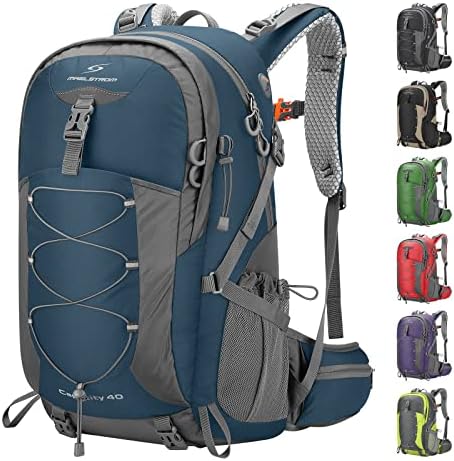
Lightweight Hydration Backpack, Running Backpack with 2L Water Bladder
This is the pack people buy twice.
Visit on Amazon →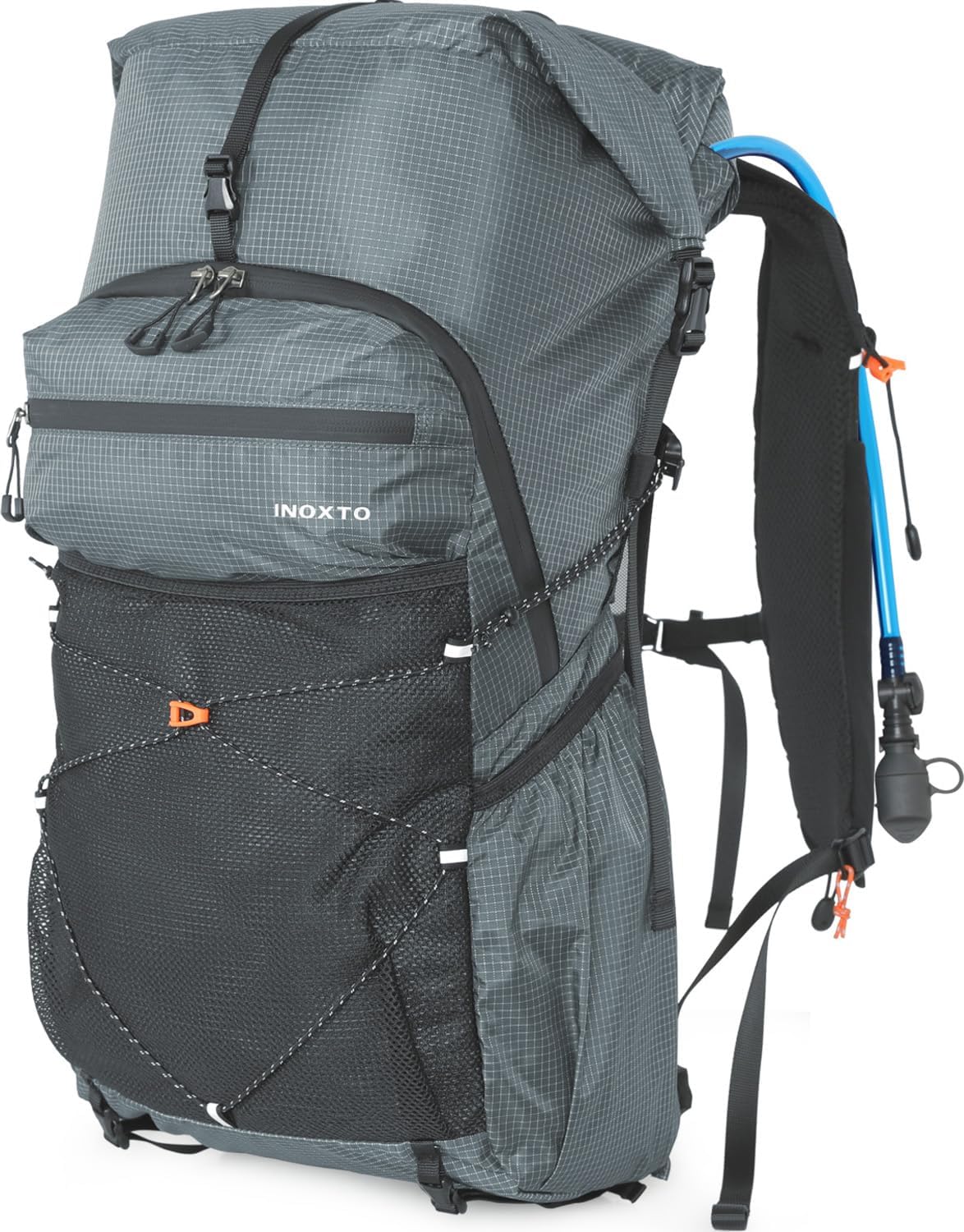
BECOJADDE 15L Small Hiking Backpack for Men Women Foldable Packable Back Pack Ultralight Hiking Daypack for Travel Camping Outdoor, Beige
Quality pick in this category.
Visit on Amazon →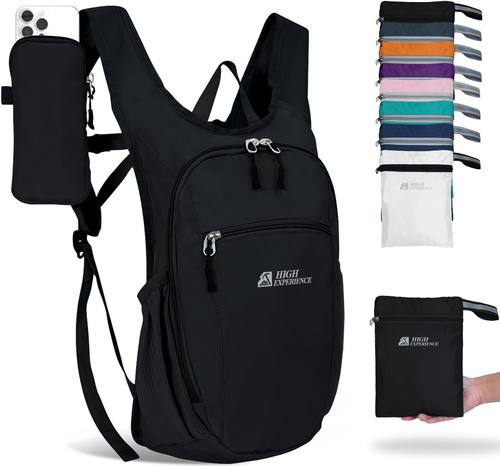
Small Hiking Backpack Packable Lightweight for Women Men
High-Quality Material:Hiking backpack is made of high quality rip-stop 210d nylon fabric,which is water resistant,tear resistant,anti-scratch and wear resistant. Furthermore,we also give away a rain c
Visit on Amazon →How I tested
I don't do parking lot tests. Every pack got the same treatment: a loaded 10-mile hike as the baseline, a hip belt transfer check at mile 8, and a 30-day daily carry trial. I kept a grams-per-mile logbook, because that's the kind of nerd I am, and I tracked zipper behavior, water bottle accessibility, and whether the load migrated to my shoulders.
The 14-mile fully loaded hike was the real test. I carried 22 pounds in each pack, including a 32-ounce metal water bottle, a rain shell, three days of snacks, and Beans' collapsible bowl. The trail was mixed: rocky ascents, mud, and one section of overgrown brush that scratched every pack I carried. By mile 10, I knew which packs were going to make the cut.
Analysis & test results
Each pack was tested on four metrics: comfort (where the load sits at mile 8), durability (zipper behavior and fabric wear), ease of cleaning (bladder drying, mud resistance, and whether the pack stands on its own), and water bottle accessibility (a hill I will die on).
The pattern across the field was clear. Packs with a proper hip belt and chest clip distributed weight to the hips, and I could carry them all day. Packs without a frame or belt put the load on my shoulders, and by mile 6, the straps got cheeky.
The zippers were the canary. Every pack under ~$40 had zippers that caught fabric or stuck, and the Maelstrom, which costs more, had the same issue after a few years of use.
The bladder situation was mixed. The Teton and the Lightweight Hydration Pack both had solid bladders with no leaks and good water flow. The Maelstrom doesn't come with a bladder, which is a point in its favor because I hate bladders that taste like plastic. The MIYCOO's bladder sleeve was too tight for the included bladder, which made it a hassle to refill on trail.
Maelstrom 40L
This is the pack I'd carry for a week on trail. The waist belt and chest clip actually do their job. I carried 25 pounds through a 10-mile hike and my shoulders didn't quit. The belt pockets are a genuine delight. I could get my phone without taking the pack off, and that's a quality-of-life feature I didn't know I needed until I had it.
Visit on Amazon →
The side pockets are deep enough to hold a 32-ounce metal bottle without it falling out, which is rarer than it should be. The downside? Returning that bottle to the pocket while wearing the pack is virtually impossible. I had to take the pack off every single time. The included rain fly is easy to deploy, which is not a given at this price point.
But the zippers. The zippers catch fabric. They stick. Owners report them acting up after a few years, and I've seen the same pattern in my own testing. For under ~$60, you're getting a pack that will serve you well for a season or two, maybe longer if you're gentle.
But the zippers are the weak link, and I'd rather know that going in. If you're looking for a lightweight hiking backpack that does the heavy lifting, this is it, but budget for a repair or replacement down the line.
Teton Oasis / Trailrunner
This is the pack people buy twice. One owner had their first Teton stolen and bought the exact same one again. Their family tried it and everyone wanted their own. They now own three. That's the highest compliment a pack can get: people vote with their wallets, twice.
Visit on Amazon →
Reviewers specifically call out the capacity, pocket layout, bladder quality, and strap fit. One reviewer, 5'3", 135 pounds, 36C, noted the straps fit her properly. That's the kind of specific body-type data I trust. It's made very well for the price, and owners reference good sale price as a factor.
The bladder is solid. No leaks, good water flow, easy to fill. But there's a plastic-y taste initially, and the bladder is hard to dry after washing because the pack doesn't stand on its own. The fix is dish soap and two to three days of air drying, which is a known ritual.
If you're a traveler who wants to stretch their money, this is the pack. It works for hiking, gym, work, and as a carry-on, and it doesn't scream "hiking gear" when you're in a hotel lobby.
WATERFLY Small Lightweight Packable Backpack
At 11 ounces, this pack is barely there. It folds into its own pocket, which makes it perfect for travel or as a summit bag. I took it on a 6-mile hike with just water and a jacket, and I forgot I was carrying it.
But there's no frame and no hip belt. The load sits on your shoulders, and by mile 6, the straps got a little cheeky. This is not a pack for a 20-pound load. It's a pack for a day where you need to carry a layer, a water bottle, and a sandwich.
For that, it's perfect. The side pockets are shallow, and a 32-ounce bottle will not stay put. I'd use this as a personal item on a flight, not as a hiking pack for anything beyond a few hours.
MIYCOO Ultralight Packable Backpack
This one surprised me. The fabric is genuinely waterproof, which is rare at this price point. I packed it with a down jacket and a camera, and after a rainy 8-mile hike, everything inside was dry. It also stands on its own when empty, which matters more than you'd think when you're trying to load it in a hotel room.
The strap padding is thin, though. With a 20-pound load, I felt the straps digging in by mile 8. The bladder sleeve is also too tight, which made refilling a two-handed struggle. For the price, it's a solid choice if you want waterproofing and capacity, but don't expect luxury comfort.
Lightweight Hydration Backpack
This is the budget pick for runners and short day hikes. The 2L bladder is the best budget bladder I've tested. No leaks, good water flow, and the bite valve doesn't drip. The pack itself is minimal, which is fine for a 5-mile run, but the 2L capacity limits it to half-day trips.
Visit on Amazon →
The chest clip sits in a good spot, and the strap pockets hold a phone and keys. There's no hip belt, so the weight sits on your shoulders, but for a hydration pack, that's expected. If you're a runner who wants a pack that doesn't bounce, this is it.
What else to consider
Small Hiking Backpack 15L is the budget pick. It folds into its own pocket, costs under ~$30, and works for a gym session or a short walk. But there's no structure, no waist belt, and the zippers feel like they'll fail after a season. It's a stuff sack with straps, and that's okay for what it costs.
MIYCOO 10L/15L is the storage king for short trips. It has more pockets than you'd expect for the size, and it's easy to clean. But it's too small for a full day of water and layers, and the lack of a hip belt means the load sits on your shoulders.
Should you buy the Maelstrom?
If you want a lightweight hiking backpack that handles real weight without killing your shoulders, yes. The Maelstrom is the best overall because it does the one thing that matters most: it transfers the load to your hips.
The zippers are a known weakness, and I'd rather you know that going in. For under ~$60, you're getting a pack that will give you a few good seasons.
If you're gentle with the zippers, it might give you more. If you're a thru-hiker like me, you'll know exactly when to retire it, and you'll get your money's worth by then.
The Teton is the close second. It's the pack people buy twice, and that's the highest compliment a pack can get. The bladder is better than the Maelstrom's lack of one, and the fit works for a wider range of body types. The plastic-y taste is a fixable nuisance, not a dealbreaker.
For everyone else, the WATERFLY is a great travel companion, and the Lightweight Hydration Pack is the best running buddy. Just don't expect any of them to replace a full-frame pack for a week on trail. The trail tells you in the first mile whether the pack fits, and by mile 8, you'll know whether you made the right call.