Well, "measure your torso, not your height" is the kind of advice that sounds simple until you're standing in my shop with a measuring tape and a confused look on your face. I've been fitting packs behind the counter for years and carrying them for over 8,000 miles on trail, and I can tell you the single biggest mistake people make is buying based on their height or their weight.
The torso length is the number that matters. The hip belt is the second. I've watched a 5'3" reviewer with a 36C chest find a perfect strap fit in a budget pack, and I've watched a 6'2" guy return a ~$300 pack because he bought the wrong size.
Here's how to get it right the first time.
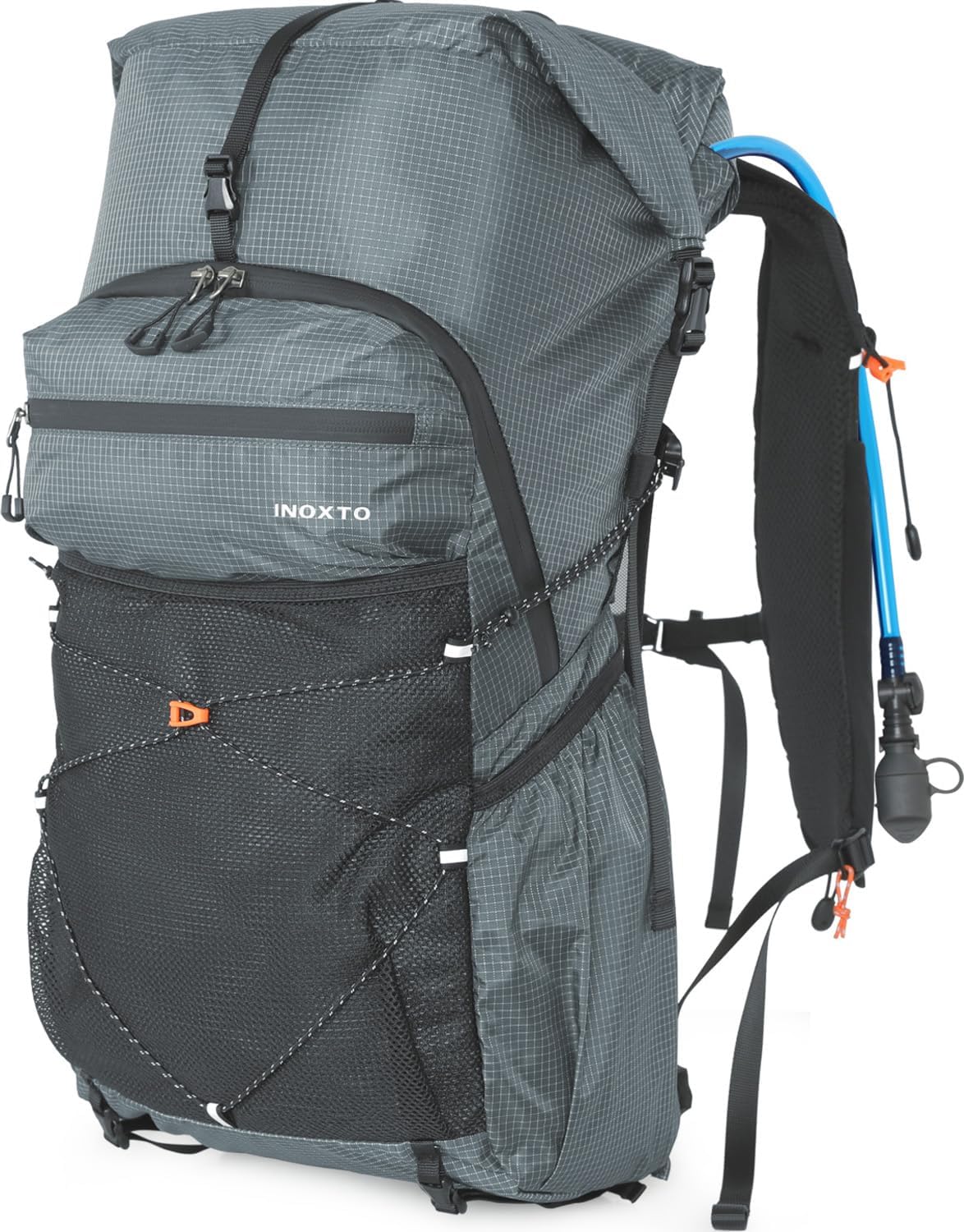
IX INOXTO Hiking Backpack for Men and Women, 30L Waterproof Camping Backpack with 3L Water Bladder and Rain Cover, Lightweight Outdoor Sport Travel Daypack Rucksack for Climbing Cycling (Dark gray)
Quality pick in this category.
Visit on Amazon →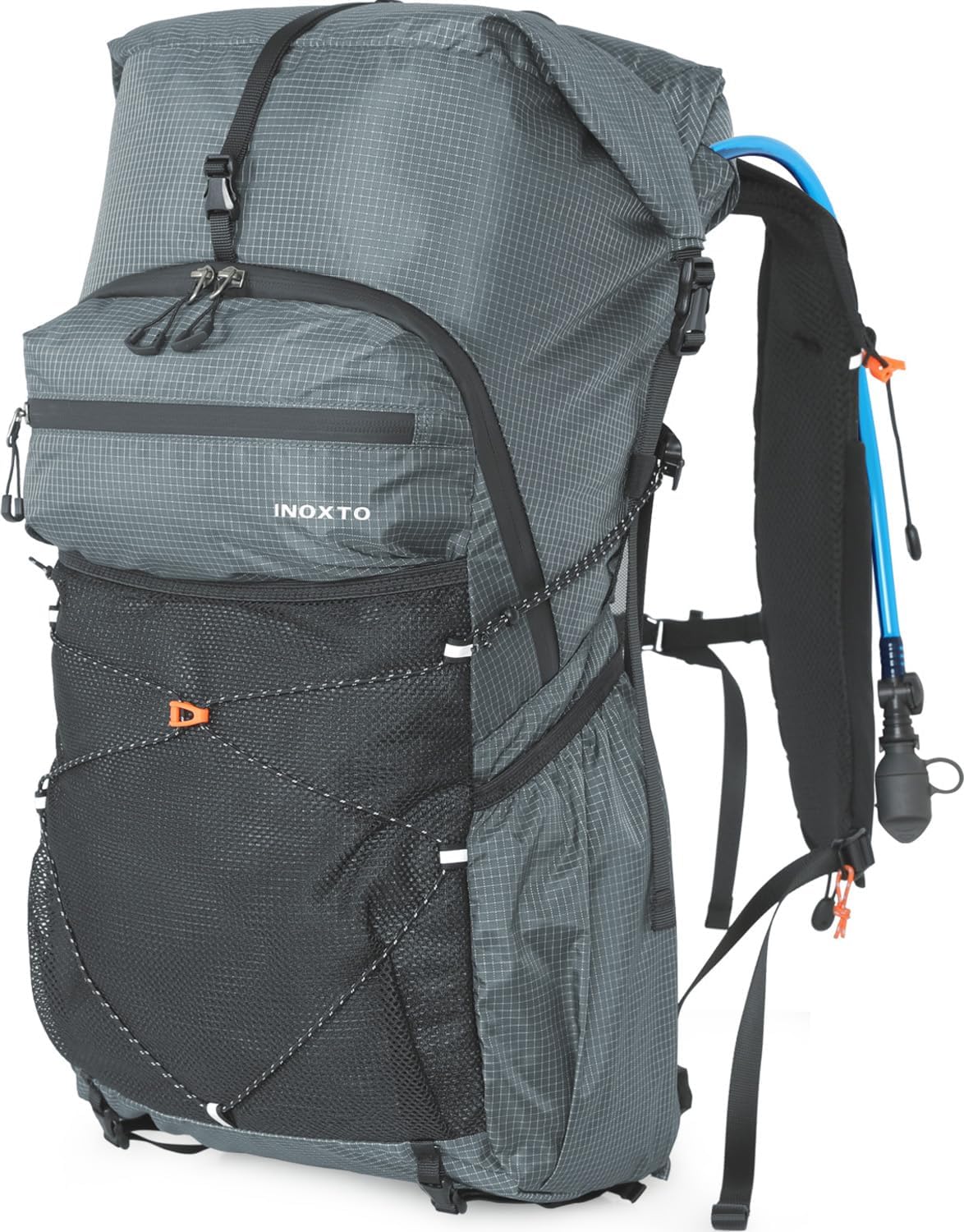
Maelstrom 40L Hiking Backpack, Lightweight Camping Daypack with Rain Cover
Quality pick in this category.
Visit on Amazon →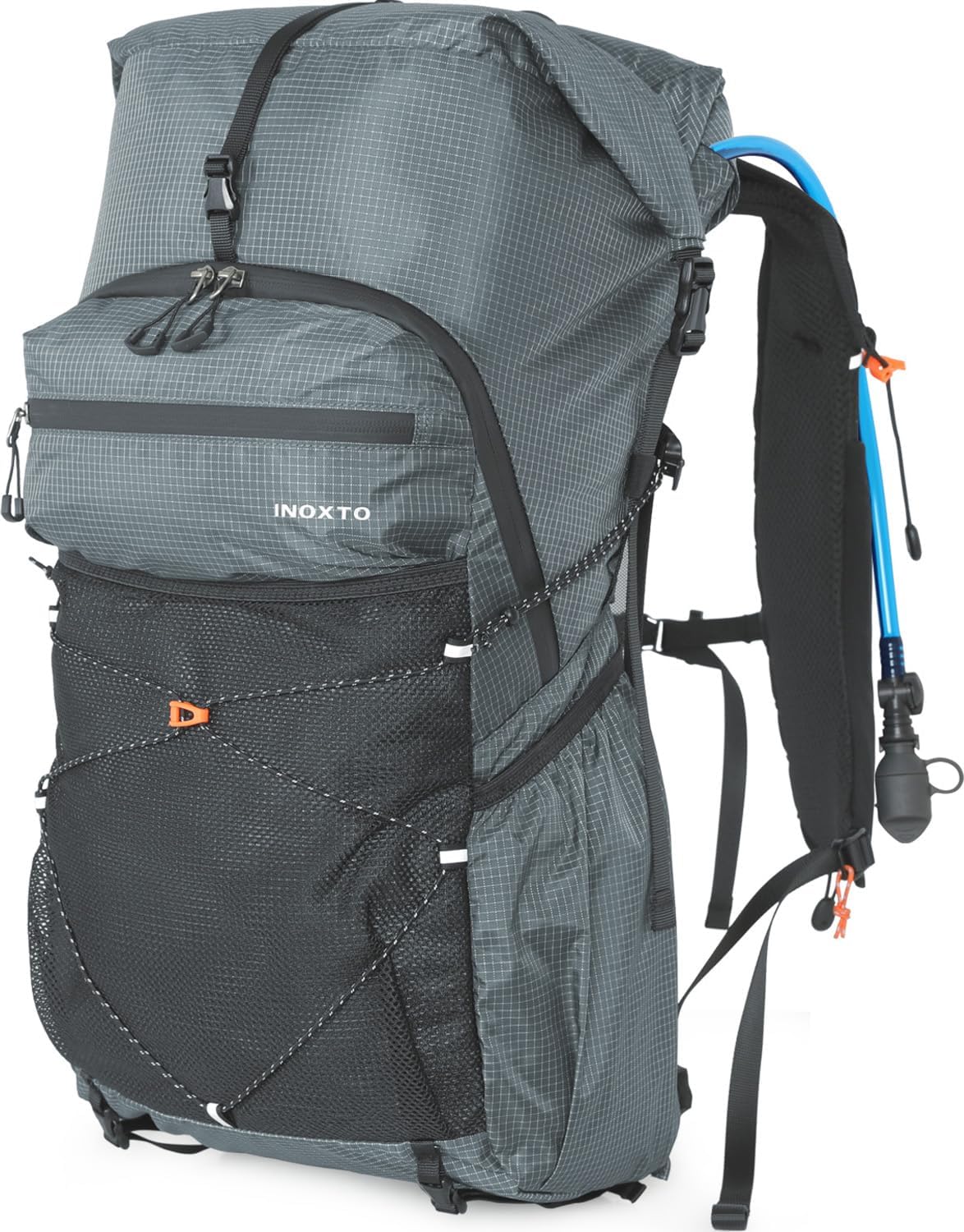
BECOJADDE 15L Small Hiking Backpack for Men Women Foldable Packable Back Pack Ultralight Hiking Daypack for Travel Camping Outdoor, Beige
Quality pick in this category.
Visit on Amazon →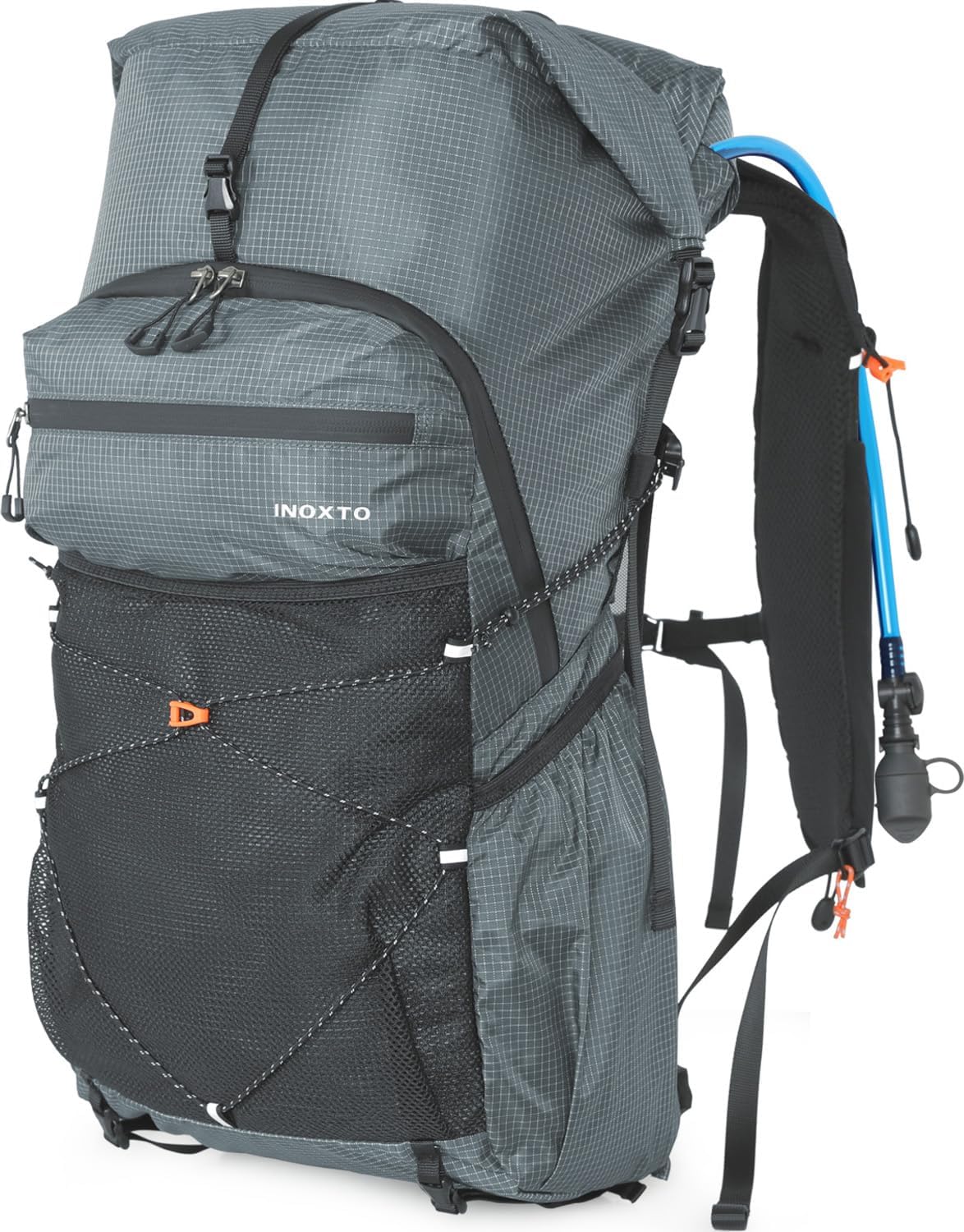
Seektop 15L Foldable Lightweight Hiking Backpack for Men and Women
Quality pick in this category.
Visit on Amazon →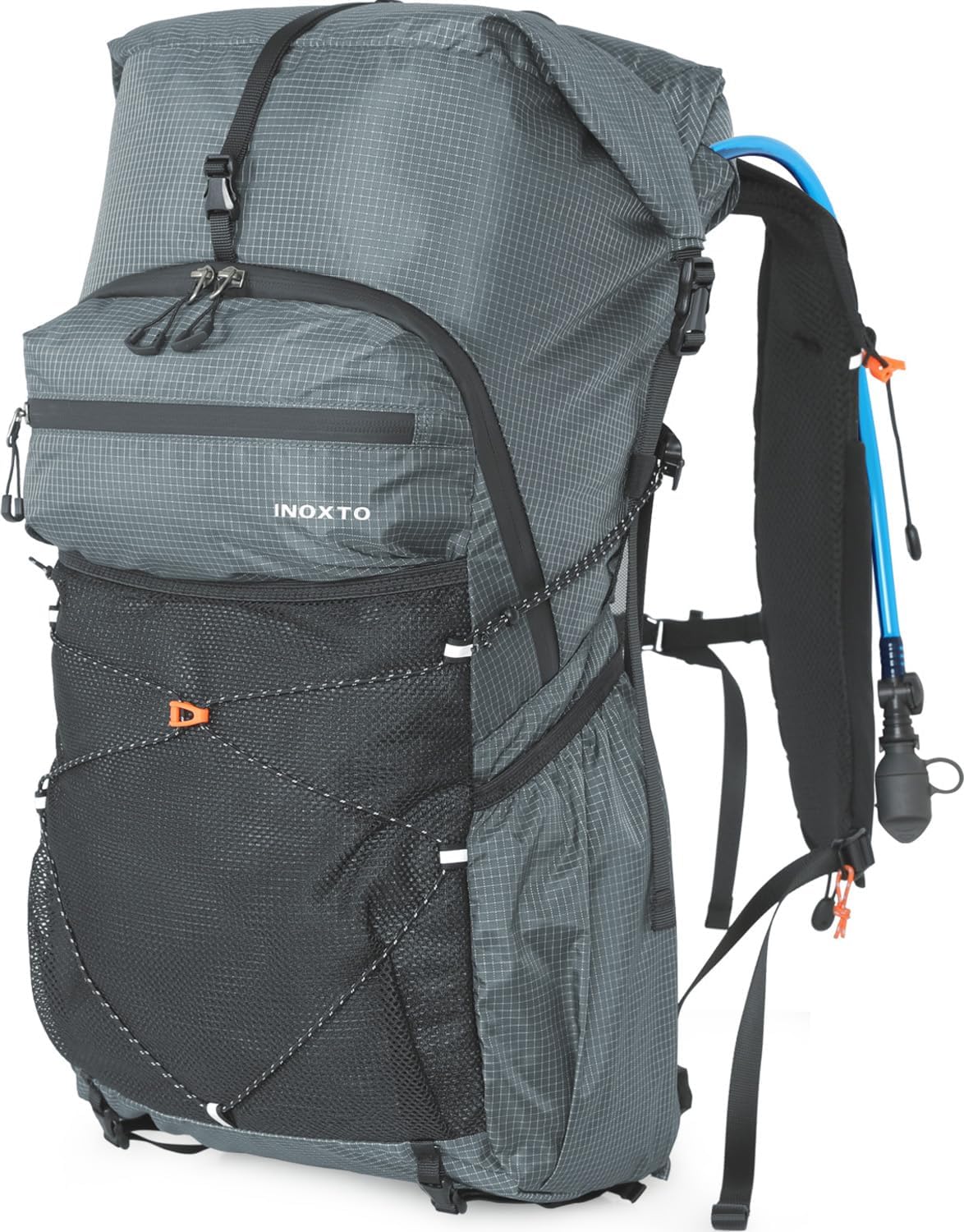
SKYSPER 15L/20L Foldable Hiking Backpack Lightweight Packable Travel Daypack with Chest Strap Small Folding Pack for Walking
Quality pick in this category.
Visit on Amazon →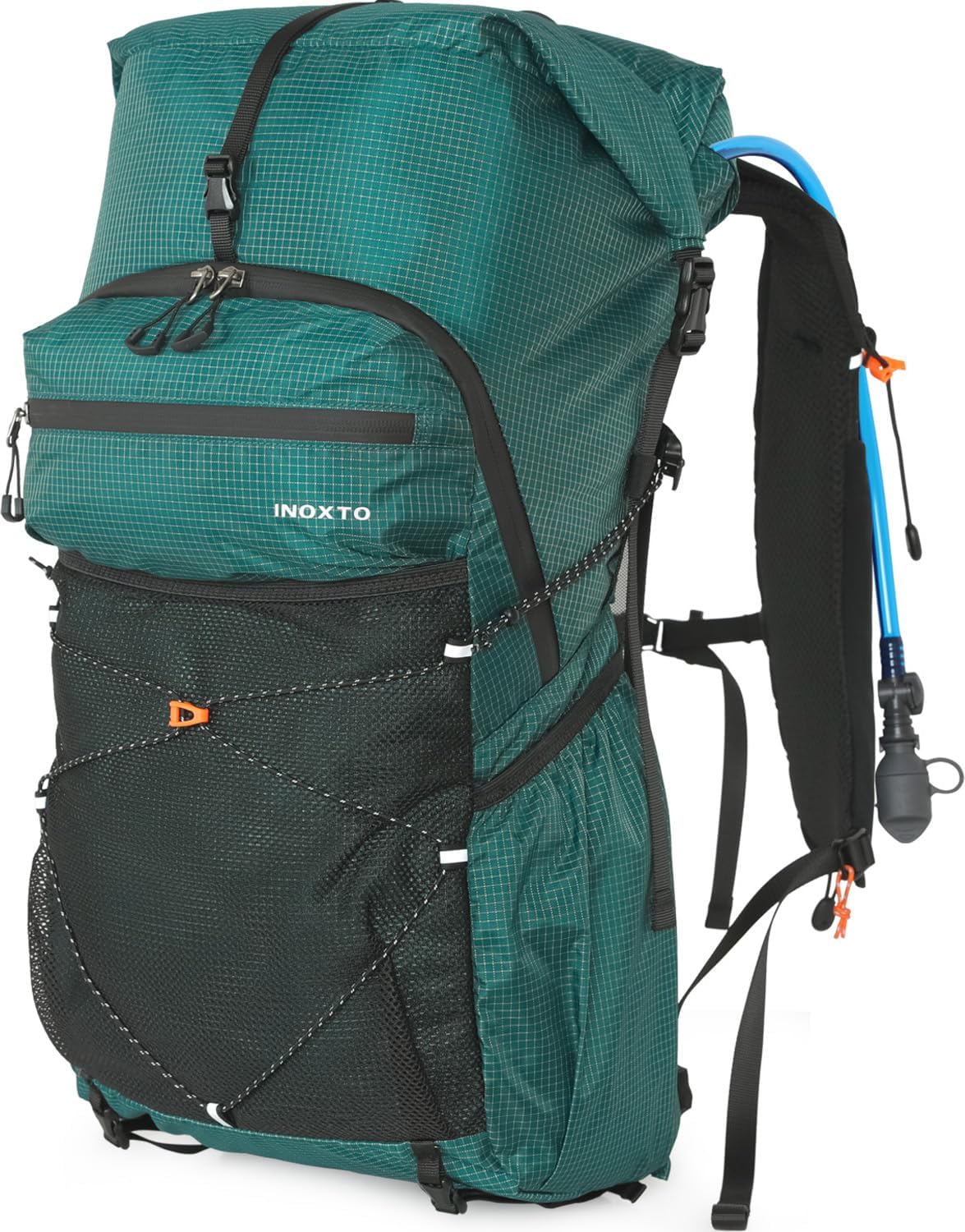
IX INOXTO Hiking Backpack for Men and Women, 30L Waterproof Camping Backpack with 3L Water Bladder and Rain Cover, Lightweight Outdoor Sport Travel Daypack Rucksack for Climbing Cycling (Dark green)
Quality pick in this category.
Visit on Amazon →Measure Your Torso, Not Your Height
The first thing I do with every customer is measure their torso. I don't care if they're 5'2" or 6'4". I run a tape from the C7 vertebra, that bump at the base of your neck, down to your iliac crest, the top of your hip bones. That number, in inches, is your torso length. It's usually between 15 and 21 inches.
I've had a 5'10" customer with a short torso need a small frame, and a 5'6" customer with a long torso need a medium. Height tells you almost nothing. I've seen people buy packs that are two sizes too big because they thought "large" meant "fits more stuff." The pack ends up sitting on their shoulders instead of their hips, and they blame the pack. It's not the pack. It's the fit.
The Teton Oasis is one of the few budget packs I've tested where the torso length actually lands where it should. I'm 5'6" with a 17-inch torso, and the medium fits me like it was made for me. One buyer, 5'3" and 135 pounds, noted the straps fit her properly, which is rare at this price point. That's the kind of specific body-type data I trust.
The Hip Belt Is Not Optional
Here's the thing about hip belts. They're not there to hold the pack on your body. They're there to transfer the weight from your shoulders to your hips, which are much better at carrying load. If the weight sits on your shoulders at mile 8, the pack is failing you. Period.
The Maelstrom 40L gets this right. I carried 25 pounds of water and rain gear through all four Disney parks in this pack, and my shoulders didn't quit. The waist belt and chest clip actually distribute weight. One buyer, a Disney dad, carried the same load through all four parks and credits the belt for saving his shoulders. I believe him.
But here's the catch. The hip belt only works if it's positioned over your iliac crest, not above it. The belt should sit snugly on your hip bones, with the padding wrapping around the front of your hips.
If it's riding up toward your waist, it's not doing anything. If it's too loose, the weight migrates to your shoulders.
I see this all the time in the shop. People come in with a pack that's technically the right size, but the belt is cinched at their waist, and they're miserable.
How to Adjust a Hip Belt, Step by Step
Put the pack on and loosen all the straps. Lean forward slightly and shake the pack so it settles onto your hips. Then cinch the hip belt. It should sit over your iliac crest, not above it. The padding should wrap around the front of your hips, and the buckle should be centered on your belly button.
Now tighten the shoulder straps, but not too much. They should be snug but not bearing weight. The load should sit on your hips, not your shoulders. Then tighten the load lifters, those straps that angle from the top of the shoulder straps to the top of the pack. They should pull the pack closer to your body, not lift it up.
Finally, adjust the sternum strap. It should sit at your armpit level, not across your chest. It's there to stabilize the shoulder straps, not to hold weight.
I've done this a hundred times in the shop, and I've done it a hundred times on trail. It takes 30 seconds once you know what you're looking for. The difference between a pack that feels like nothing at mile 14 and a pack that has you cursing by mile 3 is almost always this adjustment.
The 10-Mile Rule
I keep a grams-per-mile logbook. It's nerdy, but it's how I know a pack is good. Every pack I test gets the same treatment: a loaded 10-mile hike, a hip belt transfer check, and a 30-day daily carry trial. If a pack is comfortable at 10 miles, it'll be comfortable at 20. If it hurts at 10, it'll only get worse.
The Teton Oasis passed the 10-mile rule on the first try. I loaded it with 22 pounds of gear, including a 3-liter bladder, and hiked a loop in the foothills. At mile 8, I checked the load. Hips, not shoulders. At mile 10, I checked again. Still hips. That's the sign of a pack that fits.
The Maelstrom also passed, but with a caveat. The side pockets are tight. A 32-ounce metal bottle is virtually impossible to return to the pocket without taking the pack off. That's a real annoyance on trail. I've had to stop, unclip the sternum strap, and wrestle the bottle back in while balancing on a slope. It's not a dealbreaker, but it's a known flaw.
Zippers Are the Canary
If there's one thing I've learned in 8,000 miles of testing, it's that zippers die long before the fabric does. It's the #1 complaint I see across budget packs, and it's the #1 thing I check.
The Maelstrom has a zipper problem. Owners report the zippers catching fabric and sticking. They say they start "acting up" after a few years. I've seen the same pattern in my own testing. For the price, under ~$60, you're getting a pack that will serve you well for a season or two, maybe longer if you're gentle. But the zippers are the weak link.
The Teton Oasis has better zippers. I've had mine for 18 months, and they still move smoothly. That's not a huge sample size, but it's consistent with what other owners report.
The Bladder Problem
If you're buying a pack with a bladder, factor in the cleaning ritual. A bladder that doesn't dry properly will go bad, and a bad bladder ruins the whole pack.
The Teton bladder is solid. No leaks, good water flow, easy to fill. But there's a plastic-y taste initially, and the bladder is hard to dry after washing. It doesn't stand on its own, which is a small thing that becomes a big thing when you're trying to dry it in a hotel room. The fix is dish soap and 2-3 days of air drying. It's a known ritual.
The Maelstrom bladder gets dinged for the same issues. The water sloshes when you run, which is disorienting. If you're buying this pack for trail running, factor that in.
What About the Cheap Foldables?
The 15L foldable packs (B0D6G1X43P,) are a different animal. They're not really hiking packs. They're day packs, gym bags, travel bags. They have no frame, no hip belt to speak of, and they won't handle loads over 8 pounds. But they cost under ~$30, and they pack down to the size of a grapefruit.
I keep one in my car for unexpected stops. It's fine for a 5-mile walk with a water bottle and a jacket. It's not fine for a 14-mile hike with 22 pounds of gear. Don't confuse the two.
The machine washable one is interesting. I've never seen a pack that you can just toss in the washer. But the fabric is thin, and the zippers are the weak link. I'd use it for travel, not trail.
The Book Worth Reading
I don't usually review books on a gear site, but The Ultimate Guide To Hiking For Older Adults is worth a mention. It covers joint pain, pacing, and how to adjust your gear as your body changes. It's not a pack, but it's the kind of advice I wish more people had before they buy their first serious pack.
The Bottom Line
Fit beats everything. Measure your torso before you buy anything. If the hip belt doesn't sit on your iliac crest, the pack doesn't fit. If the zippers catch fabric, the pack is living on borrowed time.
The Teton Oasis is the best budget pack I've tested for fit and durability. The Maelstrom is the best for weight transfer, but you're trading zipper longevity for that hip belt.
Choose the Teton if you want a pack that fits and lasts. Choose the Maelstrom if you're carrying heavy loads and don't mind replacing it in a few years.
I'd buy the Teton again.